
Are you ready to learn English via film in a fun and engaging way? Dive into the thrilling world of Money Heist S01 E01 and enhance your vocabulary with words directly extracted from this captivating series. Whether you’re watching on Netflix or using our innovative language learning extension, learn English via film has never been more exciting!
1. Accreditations
Original Movie Context
- Subtitle/Dialogues: “Keep your accreditations hanging from your neck.”
- Scene Description: During the planning phase of the heist, the Professor instructs his team to wear visible accreditations to blend in as official personnel.
- Emotional Tone: Authoritative and instructive.
Word Breakdown
- Definition: Official documents or identification that grant permission to access specific areas or perform certain actions.
- Part of Speech: Noun
- Pronunciation: /əˌkrɛd.ɪˈteɪ.ʃənz/
- Etymology: Derived from the Latin “accreditare,” meaning “to give credence to.”
- Examples:
- “Before entering the conference, make sure you have all your accreditations.”
- “Security guards check everyone’s accreditations at the entrance.”
Contextual Usage
- Example Sentences:
- Formal: “All participants must present their accreditations upon arrival.”
- Informal: “Don’t forget your badge; you need your accreditations to get into the VIP area.”
- Common Collocations: security accreditations, event accreditations, temporary accreditations.
- Potential Idioms/Slang: None directly, but “badge of honor” is a related phrase.
Learning Insights
- Pronunciation Tips: Emphasize the second syllable: uh-KRED-i-tay-shuns.
- Common Mistakes: Mixing up with “credentials,” which are more about qualifications rather than access permissions.
- Cultural Nuances: In many workplaces and events, accreditations are essential for security and organization.
- Memorization Tricks: Think of “accreditations” as “credentials for accreditation,” helping you remember it’s about official permission.
Enhance your learning experience by using our mouse dictionary feature. Simply hover over “accreditations” in the subtitles to get an instant definition!
2. Thermal Lance
Original Movie Context
- Subtitle/Dialogues: “He uses the thermal lance and any industrial equipment.”
- Scene Description: Description of a team member’s tools used during the heist.
- Emotional Tone: Technical and informative.
Word Breakdown
- Definition: A tool used to cut through metals by producing intense heat.
- Part of Speech: Noun
- Pronunciation: /ˈθɜːr.məl læns/
- Etymology: Combines “thermal” (related to heat) and “lance” (a long weapon).
- Examples:
- “The demolition crew used a thermal lance to breach the steel doors.”
- “A thermal lance is essential for cutting through thick metal barriers.”
Contextual Usage
- Example Sentences:
- Formal: “The construction team deployed a thermal lance to dismantle the old structure.”
- Informal: “Wow, that thermal lance looks intense!”
- Common Collocations: use a thermal lance, operate a thermal lance, thermal lance technology.
- Potential Idioms/Slang: None, as it’s a technical term.
Learning Insights
- Pronunciation Tips: Stress the first syllable of “thermal” and clearly enunciate “lance.”
- Common Mistakes: Mispronouncing “thermal” as “thernal.”
- Cultural Nuances: Often associated with industrial settings and heavy-duty work.
- Memorization Tricks: Visualize a lance producing heat to cut through metal, linking “thermal” with heat.
Want to remember “thermal lance” effortlessly? Save it using our Save Words feature for future review!
3. Safe-conduct
Original Movie Context
- Subtitle/Dialogues: “You’re our safe-conduct here, so I’m going to protect you.”
- Scene Description: The Professor assigns a team member to act as a safe-conduct to ensure their safety during the heist.
- Emotional Tone: Reassuring and protective.
Word Breakdown
- Definition: A document or permission allowing someone to travel safely through an area, especially during conflicts or hostile situations.
- Part of Speech: Noun
- Pronunciation: /ˈseɪf ˈkɒn.dʌkt/
- Etymology: From “safe” and “conduct,” implying safe travel.
- Examples:
- “The diplomat was granted safe-conduct to negotiate the treaty.”
- “During the protest, they provided safe-conduct for journalists to cover the events.”
Contextual Usage
- Example Sentences:
- Formal: “She received safe-conduct to enter the restricted zone.”
- Informal: “I feel like I need some safe-conduct when navigating this crowded market!”
- Common Collocations: grant safe-conduct, issue safe-conduct, secure safe-conduct.
- Potential Idioms/Slang: None, it’s a formal term.
Learning Insights
- Pronunciation Tips: Clearly pronounce both parts: “safe” and “conduct.”
- Common Mistakes: Confusing “safe-conduct” with “safe conduct” as two separate words.
- Cultural Nuances: Historically used in diplomacy and wartime scenarios.
- Memorization Tricks: Think of “conduct” as guiding someone safely.
Use our Display Second Subtitle feature to see “safe-conduct” translated in real-time, enhancing your understanding!
4. Engagement Badge
Original Movie Context
- Subtitle/Dialogues: “An engagement badge?”
- Scene Description: A character questions the purpose of an engagement badge during the heist.
- Emotional Tone: Curious and slightly skeptical.
Word Breakdown
- Definition: A symbol or identifier representing a commitment or role within a group or organization.
- Part of Speech: Noun
- Pronunciation: /ɪnˈɡeɪdʒmənt bædʒ/
- Etymology: Combines “engagement” (commitment) with “badge” (identifier).
- Examples:
- “She wore an engagement badge to signify her new role in the project.”
- “The event required an engagement badge for all participants.”
Contextual Usage
- Example Sentences:
- Formal: “All volunteers must wear an engagement badge during the conference.”
- Informal: “Check out my new engagement badge! It shows I’m part of the team now.”
- Common Collocations: wear an engagement badge, display an engagement badge, design an engagement badge.
- Potential Idioms/Slang: None, it’s a straightforward term.
Learning Insights
- Pronunciation Tips: Stress “engage” in “engagement” and clearly enunciate “badge.”
- Common Mistakes: Mispronouncing “engagement” as “en-gage-ment” instead of “en-GAGE-ment.”
- Cultural Nuances: Often used in corporate or organizational settings to signify membership or role.
- Memorization Tricks: Imagine a badge that shows your “engaged” role in a mission or task.
Never miss an important term like “engagement badge” with our Auto-Pause feature, giving you time to understand and save it!
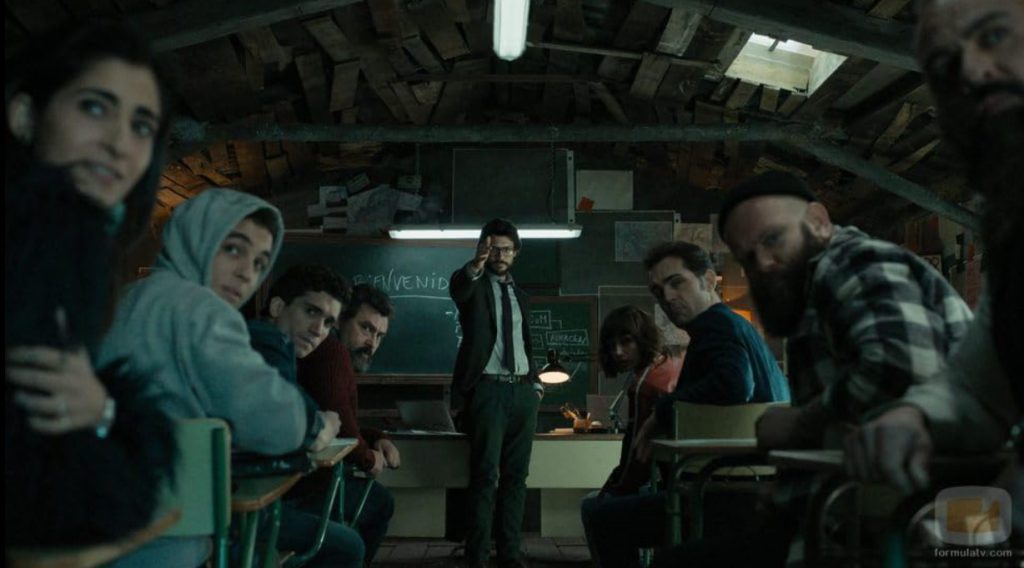
5. Immortalize
Original Movie Context
- Subtitle/Dialogues: “Let’s immortalize this, right?”
- Scene Description: Characters discuss capturing a moment permanently, highlighting the significance of the event.
- Emotional Tone: Reflective and decisive.
Word Breakdown
- Definition: To make something last forever or to preserve it in memory.
- Part of Speech: Verb
- Pronunciation: /ɪˈmɔːrtəlaɪz/
- Etymology: From “immortal,” meaning not subject to death, combined with the verb-forming suffix “-ize.”
- Examples:
- “They wanted to immortalize their friendship with a portrait.”
- “The writer sought to immortalize her experiences in her novel.”
Contextual Usage
- Example Sentences:
- Formal: “The statue was created to immortalize the city’s founder.”
- Informal: “Let’s take a selfie to immortalize this awesome sunset!”
- Common Collocations: immortalize a moment, immortalize in art, immortalize through media.
- Potential Idioms/Slang: “Capture forever” is a related phrase.
Learning Insights
- Pronunciation Tips: Emphasize the second syllable: im-MOR-tuh-lize.
- Common Mistakes: Misplacing the stress on the first syllable.
- Cultural Nuances: Often used in the context of art, literature, and significant events.
- Memorization Tricks: Break it down to “immortal” + “ize” to remember it means making something everlasting.
Capture every new word like “immortalize” with our Save Words feature, perfect for your language learning journey!
6. Hostages
Original Movie Context
- Subtitle/Dialogues: “But you’re here as hostages.”
- Scene Description: The team explains the presence of hostages during the heist.
- Emotional Tone: Tense and serious.
Word Breakdown
- Definition: People held captive, usually to force certain actions or demands.
- Part of Speech: Noun
- Pronunciation: /ˈhɒstɪdʒɪz/
- Etymology: From the word “hostage,” which originated from Old French “hostage,” meaning a person given as security.
- Examples:
- “The rebels took several hostages to negotiate their demands.”
- “Police are negotiating the release of hostages.”
Contextual Usage
- Example Sentences:
- Formal: “The crisis resulted in multiple hostages being taken.”
- Informal: “The movie had a scene where they held hostages in the bank.”
- Common Collocations: take hostages, release hostages, negotiate hostages.
- Potential Idioms/Slang: None, as it’s a serious term.
Learning Insights
- Pronunciation Tips: Clearly enunciate the “s” at the end: hos-TAH-jiz.
- Common Mistakes: Pluralizing incorrectly as “hostage” instead of “hostages.”
- Cultural Nuances: Often associated with extreme situations like wars or robberies.
- Memorization Tricks: Remember “hostage” as someone held to secure demands.
Understanding “hostages” is crucial for following intense scenes. Use our Display Second Subtitle to see translations instantly!
7. Façade
Original Movie Context
- Subtitle/Dialogues: “And this is the façade of the Fábrica de Moneda y Timbre.”
- Scene Description: The Professor points out the building’s front during the heist setup.
- Emotional Tone: Informative and strategic.
Word Breakdown
- Definition: The front or face of a building; a deceptive outward appearance.
- Part of Speech: Noun
- Pronunciation: /fəˈsɑːd/
- Etymology: From French “façade,” meaning front of a building.
- Examples:
- “The café has a beautiful façade with intricate designs.”
- “He maintained a friendly façade despite his true feelings.”
Contextual Usage
- Example Sentences:
- Formal: “The façade of the museum was recently renovated.”
- Informal: “That old house has a creepy façade at night.”
- Common Collocations: beautiful façade, deceptive façade, historic façade.
- Potential Idioms/Slang: “False front” is a related term.
Learning Insights
- Pronunciation Tips: Stress the second syllable: fa-SAHD.
- Common Mistakes: Pronouncing “façade” with a hard “c” sound.
- Cultural Nuances: Can metaphorically represent someone’s outward appearance masking their true self.
- Memorization Tricks: Think of a building’s front as its “face” to the world.
Spot words like “façade” effortlessly with our Mouse Dictionary feature while watching!
8. Assault
Original Movie Context
- Subtitle/Dialogues: “He was the boss in charge of the assault.”
- Scene Description: Description of a team member responsible for direct attacks during the heist.
- Emotional Tone: Commanding and authoritative.
Word Breakdown
- Definition: A violent physical attack.
- Part of Speech: Noun
- Pronunciation: /əˈsɔːlt/
- Etymology: From Old French “assault,” meaning “a sudden attack.”
- Examples:
- “The team planned the assault on the building meticulously.”
- “He was arrested for assault after the fight.”
Contextual Usage
- Example Sentences:
- Formal: “The report detailed the assault on the premises.”
- Informal: “That movie scene showed a sudden assault by the robbers.”
- Common Collocations: violent assault, premeditated assault, physical assault.
- Potential Idioms/Slang: “Jump the gun” relates to acting prematurely but not directly an idiom for assault.
Learning Insights
- Pronunciation Tips: Emphasize the second syllable: as-SAULT.
- Common Mistakes: Mispronouncing the first syllable as “ASS-ault.”
- Cultural Nuances: A serious term often used in legal contexts.
- Memorization Tricks: Link “assault” with “attack” to remember its meaning.
Don’t let “assault” catch you off guard. Use our Auto-Pause feature to understand every context!
9. Coughs
Original Movie Context
- Subtitle/Dialogues: “The one who coughs is Mr Moscow.”
- Scene Description: Identifying team members by their actions to maintain anonymity.
- Emotional Tone: Tactical and observant.
Word Breakdown
- Definition: The act of expelling air from the lungs suddenly and noisily, often as a symptom of illness.
- Part of Speech: Noun (plural of “cough”)
- Pronunciation: /kɒfs/
- Etymology: From Old English “cōh,” related to sounds made when coughing.
- Examples:
- “He has a bad cough and needs to see a doctor.”
- “The persistent coughs kept her awake all night.”
Contextual Usage
- Example Sentences:
- Formal: “Frequent coughs can be a sign of respiratory issues.”
- Informal: “His constant coughs were annoying during the meeting.”
- Common Collocations: persistent cough, severe cough, dry cough.
- Potential Idioms/Slang: “Cough up” meaning to give something reluctantly, though different in meaning.
Learning Insights
- Pronunciation Tips: Keep it short: kofs.
- Common Mistakes: Adding an unnecessary “h” sound at the end.
- Cultural Nuances: Often associated with health and illness.
- Memorization Tricks: Imagine the sound “kofs” when someone coughs.
Hear “coughs” clearly with our Word Pronunciation feature to master its sound!
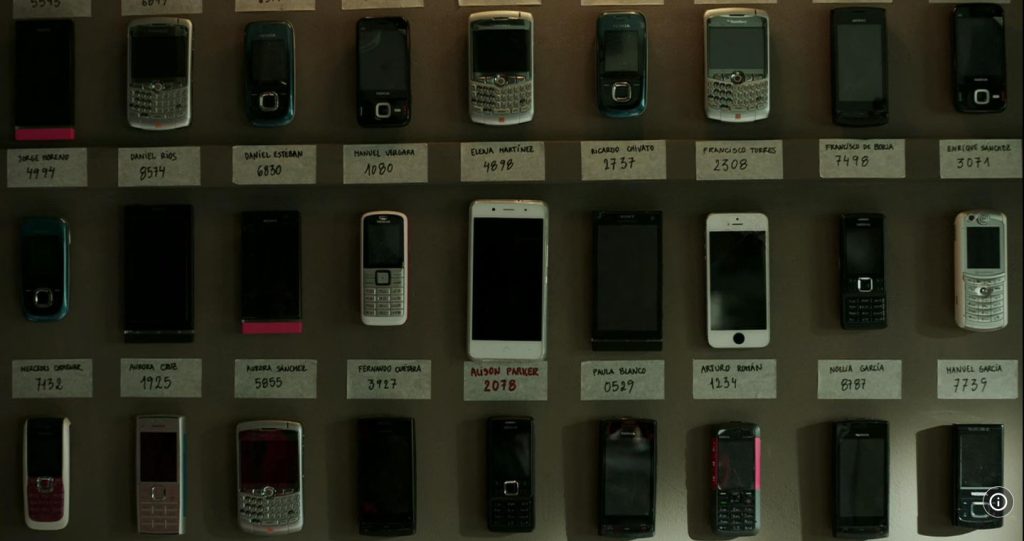
10. Forged
Original Movie Context
- Subtitle/Dialogues: “She has forged banknotes since she was .”
- Scene Description: Describing a team member’s ability to create counterfeit money.
- Emotional Tone: Skilled and resourceful.
Word Breakdown
- Definition: Copied or imitated something, typically illegally or dishonestly.
- Part of Speech: Verb (past tense of “forge”)
- Pronunciation: /fɔːrdʒd/
- Etymology: From Old English “forgian,” meaning “to deceive.”
- Examples:
- “He forged signatures on important documents.”
- “The artist forged a replica of the famous painting.”
Contextual Usage
- Example Sentences:
- Formal: “The company discovered that several documents had been forged.”
- Informal: “He forged a fake ID to enter the club.”
- Common Collocations: forged documents, forged signatures, forged currency.
- Potential Idioms/Slang: “Fake it till you make it” relates to deception but is an idiom with a different nuance.
Learning Insights
- Pronunciation Tips: Ensure a clear “j” sound at the end: FORJd.
- Common Mistakes: Pronouncing it as “forged” with a hard “g” as in “go,” instead of the soft “g.”
- Cultural Nuances: Associated with illegal activities like counterfeiting or deception.
- Memorization Tricks: Link “forged” with “fake” to remember its meaning.
Easily remember “forged” by saving it with our Save Words feature!
11. Optimization
Original Movie Context
- Subtitle/Dialogues: “We need optimization in our plans to ensure success.”
- Scene Description: Discussing the need to refine their heist strategy for better efficiency.
- Emotional Tone: Analytical and focused.
Word Breakdown
- Definition: The action of making the best or most effective use of a situation or resource.
- Part of Speech: Noun
- Pronunciation: /ˌɒptɪmʌɪˈzeɪʃən/
- Etymology: From “optimize,” which originates from Latin “optimus,” meaning “best.”
- Examples:
- “The company focused on optimization to reduce costs.”
- “His optimization of the workflow increased productivity.”
Contextual Usage
- Example Sentences:
- Formal: “Continuous optimization is essential for maintaining competitiveness.”
- Informal: “We need some optimization in our schedule to fit everything in.”
- Common Collocations: process optimization, system optimization, performance optimization.
- Potential Idioms/Slang: “Fine-tuning” is a related term but not an idiom.
Learning Insights
- Pronunciation Tips: Break it down: opt-i-mi-ZA-tion.
- Common Mistakes: Misplacing the stress on different syllables.
- Cultural Nuances: Widely used in business, technology, and engineering contexts.
- Memorization Tricks: Think of “optimization” as making something “optimal.”
Optimize your learning with our Fluency Gym feature, turning every scene into a learning opportunity!
12. Assault Rifle
Original Movie Context
- Subtitle/Dialogues: “Get out!”
- Scene Description: A tense moment where an assault rifle is brandished during the heist.
- Emotional Tone: Intense and threatening.
Word Breakdown
- Definition: A rifle that is capable of both semi-automatic and automatic fire.
- Part of Speech: Noun
- Pronunciation: /əˈsɔːlt raɪfəl/
- Etymology: Combines “assault,” meaning a violent attack, with “rifle,” a type of firearm.
- Examples:
- “The police were equipped with assault rifles during the operation.”
- “He carried an assault rifle for protection.”
Contextual Usage
- Example Sentences:
- Formal: “The regulation on assault rifles varies by country.”
- Informal: “He looked dangerous with that assault rifle in his hand.”
- Common Collocations: assault rifles, assault rifle fire, type of assault rifle.
- Potential Idioms/Slang: None, as it’s a technical term.
Learning Insights
- Pronunciation Tips: Clearly pronounce both words: uh-SAWLT RY-fuhl.
- Common Mistakes: Combining the words into a single syllable.
- Cultural Nuances: Often discussed in the context of law enforcement and military.
- Memorization Tricks: Link “assault rifle” with “violent attack weapon” for easy recall.
Stay safe and informed by learning terms like “assault rifle” with our Word Pronunciation feature!
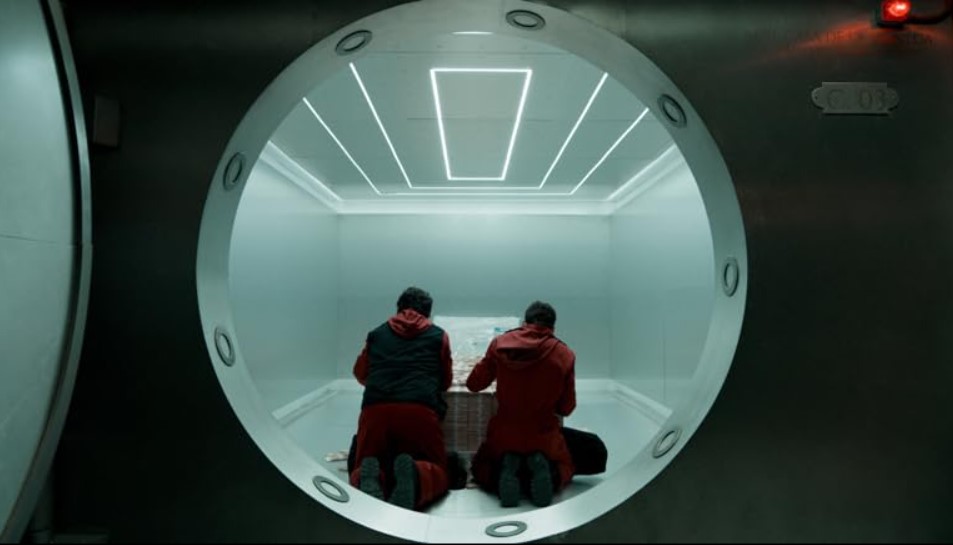
Fluency Gym: Transform Your Language Learning Journey
Embarking on the path to mastering English can be challenging, but with learn English via film, it becomes an adventure. Our language learning extension seamlessly integrates into your movie-watching experience, making every scene a learning opportunity.
Why Choose Our Extension?
- Display First Subtitle: See the main subtitle on screen, enhancing clarity.
- Mouse Dictionary: Hover over words like “façade” to see instant definitions.
- Save Words: Collect new vocabulary effortlessly for future study.
- Fluency Gym: Engage with real-time dialogues, improving reading, listening, and speaking skills interactively.
Imagine watching Money Heist S01 E01 and not just enjoying the plot but also learn English via film effectively. Our extension ensures that you learn English via film with ease, providing tools that adapt to your learning style.
Make Learning Fun and Accessible
With features like Auto-Pause and Auto-Play, you can control the pace of your learning. Pause after every sentence to understand “accreditations” deeply, or replay scenes to master “thermal lance.” Our Fluency Gym makes every movie a new challenge, helping you learn English via film effortlessly.
Create an Emotional Connection
Language learning is more than memorizing words; it’s about connecting with stories and emotions. As you follow the intense heist in Money Heist S01 E01, you’ll learn English via film by immersing yourself in the characters’ experiences, making vocabulary memorable and meaningful.
Seamless Integration of Learning Tools
Our extension doesn’t interrupt your viewing. Features like Sidebar Display and Jump to Sentence allow you to navigate through scenes while learn English via film naturally. Whether you’re saving “hostages” or understanding “assault,” our tools support your learning journey seamlessly.
Ready to Transform Your Learning?
Start your journey to fluency with our language learning extension. Embrace the power of learn English via film and watch your vocabulary grow with every episode of Money Heist S01 E01.
Conclusion
By choosing to learn English via film with Money Heist S01 E01, you’re stepping into a world where language learning meets excitement. Our language learning extension offers the perfect blend of technology and education, ensuring that every word you encounter enriches your English skills. From “accreditations” to “assault rifles,” each vocabulary word is a step towards mastery.
Join thousands of motivated learners who have transformed their language skills through engaging content. Embrace the adventure of learn English via film and let our extension guide you every step of the way. Visit appforlanguage.com today and unlock your full potential!