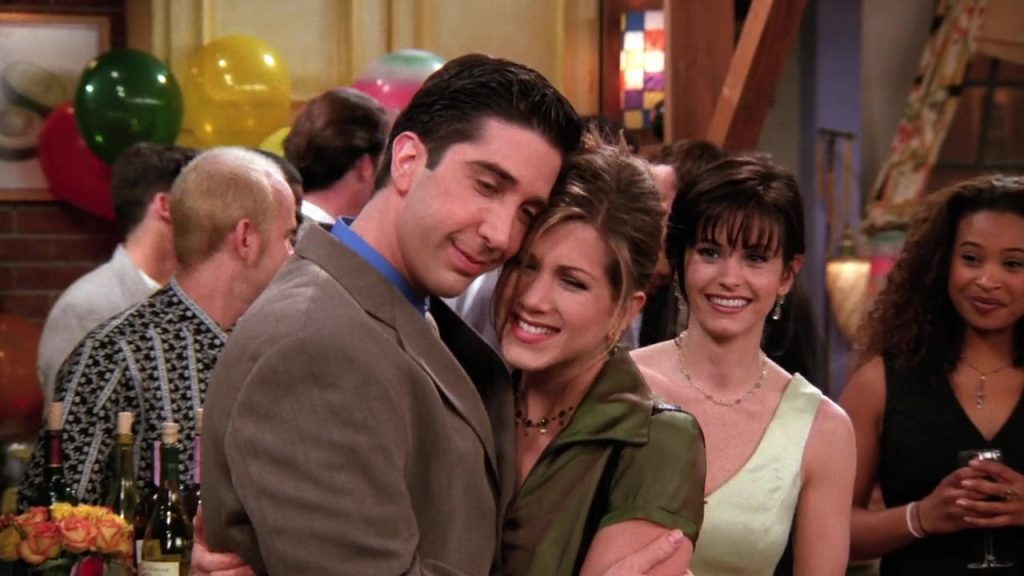
Are you looking to boost your English skills while enjoying your favorite TV series? Learning English with TV series like Friends S02E22 is a fun and effective way to enhance your vocabulary and grasp cultural nuances. In this article, we’ll dive into 12 carefully selected vocabulary words from this episode, providing you with deep, contextual understanding to make your language learning journey both engaging and educational.
Vocabulary to Learn in This Article
Here are the vocabulary words you’ll explore in this article:
- Poach
- Committee
- Goon
- Custard
- Chateau
- Flan
- Illusion
- Diversion
- Celica
- Embarrassing
- Festive
- Staging Area
Let’s jump right in and explore each of these words in detail!
1. Poach
Original Movie Context
Monica: “I thought I’d poach a salmon.”
Scene Description and Emotional Tone:
Monica is planning a special birthday party and mentions she will “poach a salmon,” which surprises the group, leading to a humorous exchange about fancy parties.
Word Breakdown
- Definition: To cook by simmering in liquid.
- Part of Speech: Verb
- Pronunciation: /poʊtʃ/
- Etymology: Originates from Middle English poch meaning “to make holes in” or “to steal.”
Examples:
- “She decided to poach eggs for breakfast.”
- “They plan to poach wild game for their dinner.”
Contextual Usage
- Multiple Example Sentences:
- “He likes to poach his chicken breasts for a healthy meal.”
- “The chef taught us how to poach pears perfectly.”
- Formal/Informal Variations:
- Formal: “The culinary technique involves poaching the fish in a seasoned broth.”
- Informal: “I’m going to poach some eggs for breakfast.”
- Common Collocations:
- Poach eggs
- Poach salmon
- Poach chicken
Learning Insights
- Pronunciation Tips: Emphasize the “po” sound, rhyming with “coach.”
- Common Mistakes: Confusing “poach” with “coach.” Remember, “poach” relates to cooking.
- Cultural Nuances: Poaching is a common cooking method in various cuisines, especially in French cooking.
- Memorization Trick: Visualize a chef gently simmering eggs in a pot to remember “poach.”
Learning English with TV series like Friends S02E22 offers a unique blend of entertainment and education, making language acquisition enjoyable.
2. Committee
Original Movie Context
Ross: “Why do we always have to have parties with committees?”
Scene Description and Emotional Tone:
Ross is frustrated about the organizational aspect of Monica’s party planning, highlighting his preference for simpler gatherings.
Word Breakdown
- Definition: A group of people appointed for a specific function.
- Part of Speech: Noun
- Pronunciation: /kəˈmɪti/
- Etymology: From Old French comité, meaning “a committee” or “council.”
Examples:
- “The committee will meet next Monday to discuss the new policy.”
- “She serves on the fundraising committee for the local charity.”
Contextual Usage
- Multiple Example Sentences:
- “The marketing committee decided to launch the campaign in May.”
- “Our school’s art committee organizes the annual exhibition.”
- Formal/Informal Variations:
- Formal: “The executive committee has approved the new regulations.”
- Informal: “We’re putting together a committee to plan the event.”
- Common Collocations:
- Organizing committee
- Steering committee
- Planning committee
Learning Insights
- Pronunciation Tips: Stress the second syllable: com-MI-tee.
- Common Mistakes: Mispronouncing as “comit” without the final “ee” sound.
- Cultural Nuances: Committees are often used in professional and organizational settings to distribute responsibilities.
- Memorization Trick: Think of a group gathered around a table, making decisions together.
By embracing learning English with TV series, you can immerse yourself in authentic dialogues and everyday conversations.
3. Goon
Original Movie Context
Monica: “Because that’s where the party is you goon.”
Scene Description and Emotional Tone:
Monica playfully insults Chandler by calling him a “goon,” adding humor to the scene.
Word Breakdown
- Definition: A foolish or silly person.
- Part of Speech: Noun
- Pronunciation: /ɡuːn/
- Etymology: From British slang, possibly related to the word “gooney,” meaning “foolish.”
Examples:
- “Don’t be such a goon; help us move these boxes.”
- “He acted like a goon at the party, making everyone laugh.”
Contextual Usage
- Multiple Example Sentences:
- “Stop acting like a goon and take this seriously.”
- “She teased him by calling him a goon after he tripped.”
- Formal/Informal Variations:
- Formal: “He can be quite foolish at times.”
- Informal: “You’re such a goon!”
- Common Collocations:
- Silly goon
- Clumsy goon
- Playful goon
Learning Insights
- Pronunciation Tips: Rhymes with “moon.”
- Common Mistakes: Using “goon” in overly formal contexts; it’s informal and playful.
- Cultural Nuances: Often used affectionately among friends to tease.
- Memorization Trick: Imagine a goofy character from a comedy show to remember “goon.”
One of the advantages of learning English with TV series is the exposure to various accents and speaking styles.
4. Custard
Original Movie Context
Monica: “It’s a traditional Mexican custard dessert.”
Scene Description and Emotional Tone:
Monica explains the dessert they’re serving at the party, adding a cultural touch to the celebration.
Word Breakdown
- Definition: A sweet, creamy dessert made from milk, eggs, and sugar, thickened by heat.
- Part of Speech: Noun
- Pronunciation: /ˈkʌstərd/
- Etymology: From Middle English custarde, influenced by Latin custardus.
Examples:
- “She made a delicious custard for dessert.”
- “Vanilla custard is a favorite among children.”
Contextual Usage
- Multiple Example Sentences:
- “The lemon custard was tangy and sweet.”
- “He prefers custard over ice cream for dessert.”
- Formal/Informal Variations:
- Formal: “The chef prepared a rich custard as the main dessert.”
- Informal: “Let’s have some custard after dinner.”
- Common Collocations:
- Vanilla custard
- Baked custard
- Custard pie
Learning Insights
- Pronunciation Tips: Emphasize the first syllable: CUS-tard.
- Common Mistakes: Mispronouncing as “kuh-stard” instead of “cus-tard.”
- Cultural Nuances: Custard is a staple in many cultures, each adding unique flavors.
- Memorization Trick: Picture a creamy dessert dish labeled “custard.”
Learning English with TV series not only expands your vocabulary but also deepens your understanding of cultural nuances.
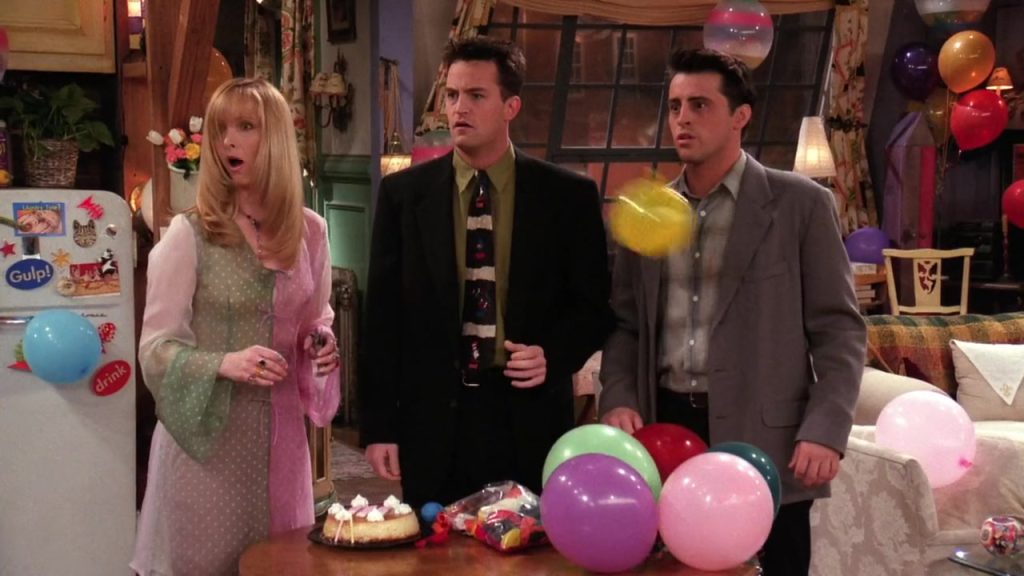
5. Chateau
Original Movie Context
Mr. Greene: “I have to be heading to my chateau.”
Scene Description and Emotional Tone:
Mr. Greene humorously refers to his home as a “chateau,” adding a touch of grandeur to his character.
Word Breakdown
- Definition: A large, impressive house or castle, often in a French style.
- Part of Speech: Noun
- Pronunciation: /ʃæˈtoʊ/
- Etymology: From French château, meaning “castle” or “manor house.”
Examples:
- “They spent their summer vacation at a beautiful chateau in the countryside.”
- “The historic chateau is now a museum open to the public.”
Contextual Usage
- Multiple Example Sentences:
- “She inherited a chateau from her grandparents.”
- “The wedding was held in an elegant chateau with stunning gardens.”
- Formal/Informal Variations:
- Formal: “The chateau boasts exquisite architecture and extensive grounds.”
- Informal: “We rented a chateau for our family reunion.”
- Common Collocations:
- French chateau
- Historic chateau
- Luxury chateau
Learning Insights
- Pronunciation Tips: Stress the second syllable: cha-TOE.
- Common Mistakes: Mispronouncing as “sha-toe” instead of “cha-TOE.”
- Cultural Nuances: “Chateau” often evokes images of luxury and elegance, commonly associated with French culture.
- Memorization Trick: Imagine a grand French castle to remember “chateau.”
For those who find traditional study methods monotonous, learning English with TV series provides a refreshing alternative.
6. Flan
Original Movie Context
Monica: “We’re having birthday flan.”
Scene Description and Emotional Tone:
Monica introduces a traditional Mexican dessert, adding authenticity to the party.
Word Breakdown
- Definition: A sweet, baked custard dessert topped with caramel.
- Part of Speech: Noun
- Pronunciation: /flæn/
- Etymology: From Spanish flan, derived from Latin flando meaning “to curdle.”
Examples:
- “She baked a caramel flan for dessert.”
- “The restaurant is famous for its homemade flan.”
Contextual Usage
- Multiple Example Sentences:
- “After dinner, we enjoyed a delicious flan.”
- “The flan was smooth and rich, perfect for the occasion.”
- Formal/Informal Variations:
- Formal: “The chef presented a beautifully garnished flan.”
- Informal: “Let’s have some flan after our meal.”
- Common Collocations:
- Caramel flan
- Baked flan
- Creamy flan
Learning Insights
- Pronunciation Tips: Rhymes with “plan.”
- Common Mistakes: Mispronouncing as “flaun” instead of “flan.”
- Cultural Nuances: Flan is a popular dessert in many Spanish-speaking countries, symbolizing celebration and tradition.
- Memorization Trick: Visualize a sweet, caramel-topped dessert to remember “flan.”
7. Illusion
Original Movie Context
Ross: “If you go in there, it’ll ruin the whole illusion of the party.”
Scene Description and Emotional Tone:
Ross discusses the importance of maintaining the surprise element of the party, emphasizing the term “illusion.”
Word Breakdown
- Definition: A deceptive appearance or impression.
- Part of Speech: Noun
- Pronunciation: /ɪˈluːʒən/
- Etymology: From Latin illusio, meaning “a mocking, deceit.”
Examples:
- “The magician created the illusion of a disappearing act.”
- “The mirage was just an illusion caused by the heat.”
Contextual Usage
- Multiple Example Sentences:
- “Her calm demeanor was an illusion; she was actually very nervous.”
- “The optical illusion tricked everyone into seeing something that wasn’t there.”
- Formal/Informal Variations:
- Formal: “The painting creates an illusion of depth and perspective.”
- Informal: “That trick was a cool illusion!”
- Common Collocations:
- Optical illusion
- Create an illusion
- Maintain an illusion
Learning Insights
- Pronunciation Tips: Stress the second syllable: il-LU-sion.
- Common Mistakes: Mispronouncing the first syllable; ensure clarity on “LU.”
- Cultural Nuances: Illusions are often used in magic and art to create surprising effects.
- Memorization Trick: Think of a magician performing an illusion to make something disappear.
8. Diversion
Original Movie Context
Phoebe: “I’m gonna create a diversion.”
Scene Description and Emotional Tone:
Phoebe plans to distract Mrs. Greene to help guests escape, adding a strategic element to the scene.
Word Breakdown
- Definition: An instance of turning aside from a route or course; a distraction.
- Part of Speech: Noun
- Pronunciation: /daɪˈvɜːrʒən/
- Etymology: From Latin divertere, meaning “to turn aside.”
Examples:
- “The police created a diversion to distract the crowd.”
- “He used a joke as a diversion from the serious topic.”
Contextual Usage
- Multiple Example Sentences:
- “The loud music was just a diversion to cover up their conversation.”
- “She took a walk as a diversion from her stressful job.”
- Formal/Informal Variations:
- Formal: “The project served as a diversion from their primary objectives.”
- Informal: “Let’s do something fun as a diversion from our worries.”
- Common Collocations:
- Create a diversion
- Serve as a diversion
- Use as a diversion
Learning Insights
- Pronunciation Tips: Emphasize the second syllable: di-VER-sion.
- Common Mistakes: Pronouncing the first syllable incorrectly; ensure clarity on “VER.”
- Cultural Nuances: Diversions are commonly used in both everyday situations and strategic planning.
- Memorization Trick: Imagine a distraction tactic, like throwing a ball to divert attention.
9. Celica
Original Movie Context
Rachel: “A girl from Long Island would do for a Celica.”
Scene Description and Emotional Tone:
Rachel references the Toyota Celica, implying the lengths someone might go to possess something desirable.
Word Breakdown
- Definition: A model of sports car produced by Toyota.
- Part of Speech: Noun (Proper Noun)
- Pronunciation: /səˈliːkə/
- Etymology: Derived from the Latin word caelus, meaning “heaven” or “sky,” reflecting its sporty nature.
Examples:
- “He saved up for years to buy a Toyota Celica.”
- “The Celica is known for its sleek design and performance.”
Contextual Usage
- Multiple Example Sentences:
- “She showed off her new Celica at the car show.”
- “They took the Celica for a weekend road trip.”
- Formal/Informal Variations:
- Formal: “The Toyota Celica offers both style and efficiency.”
- Informal: “Check out my cool Celica!”
- Common Collocations:
- Toyota Celica
- Sporty Celica
- New Celica
Learning Insights
- Pronunciation Tips: Emphasize the second syllable: ce-LEE-ca.
- Common Mistakes: Mispronouncing as “sell-ica” instead of “ce-LEE-ca.”
- Cultural Nuances: The Toyota Celica is often associated with youth and sporty aesthetics, popular in the late 20th century.
- Memorization Trick: Picture a classic sporty car labeled “Celica” to remember the term.
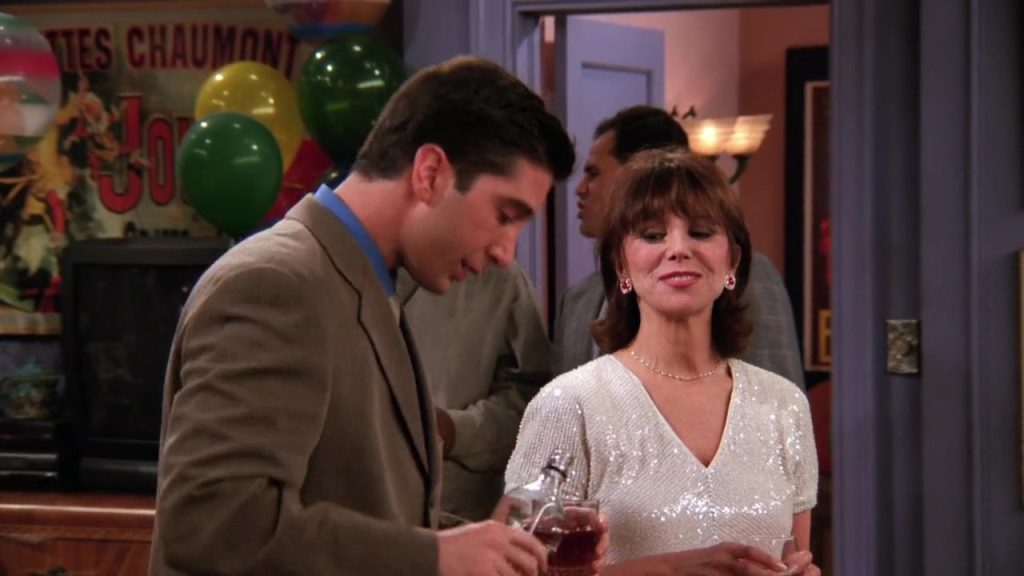
10. Embarrassing
Original Movie Context
Monica: “The first person’s most embarrassing memory is, ‘Monica, your party sucks.'”
Scene Description and Emotional Tone:
Monica addresses the group about sharing their embarrassing memories, adding a light-hearted moment to the party.
Word Breakdown
- Definition: Causing someone to feel awkward, self-conscious, or ashamed.
- Part of Speech: Adjective
- Pronunciation: /ɪmˈbærəsɪŋ/
- Etymology: From Latin imberbis meaning “beardless,” later evolving to mean “without hair” and then “embarrassing.”
Examples:
- “Tripping in front of the class was an embarrassing moment for her.”
- “He found it embarrassing to admit he forgot her birthday.”
Contextual Usage
- Multiple Example Sentences:
- “Spilling coffee on his shirt was so embarrassing.”
- “She felt embarrassed after making a mistake at work.”
- Formal/Informal Variations:
- Formal: “It was an embarrassing situation that required immediate resolution.”
- Informal: “That was so embarrassing!”
- Common Collocations:
- Highly embarrassing
- Very embarrassing
- Embarrassing situation
Learning Insights
- Pronunciation Tips: Stress the second syllable: em-BAR-rass-ing.
- Common Mistakes: Mispronouncing the first syllable; ensure clarity on “em-BAR.”
- Cultural Nuances: Embarrassing moments are universal but can vary in context across cultures.
- Memorization Trick: Imagine someone blushing after an embarrassing slip to remember the word.
11. Festive
Original Movie Context
Chandler: “All the balloons…the funniest thing happened.”
Scene Description and Emotional Tone:
Chandler describes the festive decorations at the party, highlighting the celebratory atmosphere.
Word Breakdown
- Definition: Relating to a celebration or festival; joyful and merry.
- Part of Speech: Adjective
- Pronunciation: /ˈfɛstɪv/
- Etymology: From Latin festivus, meaning “of a feast.”
Examples:
- “They wore festive clothes for the holiday party.”
- “The streets were decorated in a festive manner for the carnival.”
Contextual Usage
- Multiple Example Sentences:
- “The restaurant has a festive ambiance during the holidays.”
- “She bought festive decorations to brighten up the room.”
- Formal/Informal Variations:
- Formal: “The event featured a festive atmosphere with live music and decorations.”
- Informal: “Let’s get some festive lights for the party!”
- Common Collocations:
- Festive season
- Festive decorations
- Festive mood
Learning Insights
- Pronunciation Tips: Stress the first syllable: FEST-ive.
- Common Mistakes: Mispronouncing as “fest-ive” without the “t.”
- Cultural Nuances: “Festive” is often used during holidays and celebrations to describe the joyful environment.
- Memorization Trick: Picture a room filled with colorful decorations and happy people to remember “festive.”
12. Staging Area
Original Movie Context
Monica: “This is just the staging area.”
Scene Description and Emotional Tone:
Monica refers to the setup space for the party, emphasizing its temporary and preparatory nature.
Word Breakdown
- Definition: An area where preparations are made before an event or activity.
- Part of Speech: Noun Phrase
- Pronunciation: /ˈsteɪdʒɪŋ ˈɛriə/
- Etymology: “Staging” from the verb “stage,” meaning to arrange or prepare; “area” from Latin area, meaning “a level piece of ground.”
Examples:
- “The staging area is set up behind the main hall for performers.”
- “We need to keep the staging area organized before the guests arrive.”
Contextual Usage
- Multiple Example Sentences:
- “The actors waited in the staging area before their scenes.”
- “All equipment is kept in the staging area during the event.”
- Formal/Informal Variations:
- Formal: “Please ensure the staging area is cleared after the performance.”
- Informal: “Let’s keep everything tidy in the staging area.”
- Common Collocations:
- Temporary staging area
- Designated staging area
- Main staging area
Learning Insights
- Pronunciation Tips: Emphasize the first syllable in both words: STAGE-ing AREA.
- Common Mistakes: Blending the words together; pronounce “staging” and “area” clearly.
- Cultural Nuances: Staging areas are essential in events and performances for smooth operations.
- Memorization Trick: Imagine a backstage area where everything is being prepared to remember “staging area.”
Making Language Learning Fun and Accessible
Learning English with TV series like Friends S02E22 not only enhances your vocabulary but also immerses you in real-life conversations and cultural contexts. By understanding these 12 vocabulary words in their natural settings, you can better grasp their meanings and usages.
To further support your language learning journey, consider using our innovative language learning extension, FunFluen.com. Our extension offers features like a mouse dictionary, allowing you to hover over words in subtitles to see instant definitions, and Fluency Gym, which transforms passive vocabulary into active language skills through interactive movie dialogues.
How FunFluen.com Enhances Your Learning Experience
Fluency Gym: Your Path to Mastering a Language
Introducing Fluency Gym, our cutting-edge feature designed to elevate your reading, listening, and speaking skills from intermediate to advanced levels in a fun and engaging way.
- Who It’s For:
- Intermediate Learners: Perfect for those who’ve hit a learning plateau and are eager to advance.
- Solo Practitioners: Ideal for learners who lack a language partner.
- Engaged Learners: Suited for individuals seeking dynamic and challenging content beyond boring textbooks.
- Why Fluency Gym Stands Out:
Fluency Gym transforms passive vocabulary into active language skills by leveraging real-time movie dialogues. This immersive tool allows you to guess, listen, and speak alongside native speakers, making language practice interactive and enjoyable. Say goodbye to repetitive and dull materials—every movie becomes a new challenge, providing endless opportunities for active recall of vocabulary and grammar. - Three Dynamic Modes:
- Reading Mode (Word Builder): View movie subtitles in your target language first, then reveal native language subtitles after a few seconds.
Benefits: Encourages active engagement with the language and allows you to save new words and phrases into a built-in flashcard system for later review. - Listening Mode (Ear Training): Listen to dialogues in the target language without subtitles, write down what you hear, then compare with the actual subtitles.
Benefits: Enhances your ability to understand native speech patterns and reinforces learning through the flashcard system. - Speaking Mode (Speech Challenger): View native language subtitles first to guess the target language dialogue, then practice saying the sentences aloud and compare your pronunciation with the original.
Benefits: Improves pronunciation, intonation, and speaking fluency by mimicking real-life conversations.
- Reading Mode (Word Builder): View movie subtitles in your target language first, then reveal native language subtitles after a few seconds.
Experience Active Learning
With Fluency Gym, you’re not just watching movies—you’re actively participating in your language journey. Whether you’re focusing on expanding your vocabulary, honing your listening skills, or enhancing your speaking fluency, Fluency Gym provides an immersive and effective way to achieve your language goals from the comfort of your home.
Explore More Language Learning Articles
If you enjoyed this vocabulary exploration from Friends S02E22, check out our previous articles to continue your language learning adventure:
- Boost Your English with Friends S01E19: 12 Essential Vocabulary Words from Film-Based Language Learning
- Mastering Vocabulary with Friends S01 E21: Movie Language Practice Made Fun
- Mastering Vocabulary with Friends S02E05: A Fun Subtitle Language Practice
- Film Language Study with Friends S02E10: 12 Must-Know Vocabulary Words
Embrace Technology in Language Learning
Technology can transform language learning by making it more interactive and personalized. With our extension, you can seamlessly integrate language study into your daily entertainment, making learning both efficient and enjoyable.
Key Features of Our Language Learning Extension:
- Display First Subtitle: See the main subtitle on screen, enhancing clarity.
- Display Second Subtitle: View subtitles in two languages simultaneously.
- Mouse Dictionary: Hover over words to see instant definitions in real-time.
- Download Saved Words: Export your vocabulary for offline study.
- Auto-Pause and Play: Control playback to ensure comprehension after each sentence.
- Fluency Gym: Engage with dynamic learning modes tailored to your needs.
By leveraging these features, you can customize your learning experience, ensuring that each movie becomes a valuable tool in your language mastery journey.
Start Your Language Learning Adventure Today
Ready to take your English skills to the next level? Visit FunFluen.com and explore our language learning extension. With Fluency Gym and other innovative features, you’ll find language learning more accessible and enjoyable than ever before.
Join a community of motivated, tech-savvy learners who are transforming their language skills through interactive, context-based learning. Embrace the adventure of learning English with TV series and watch your fluency soar!
Happy Learning!