
Are you passionate about movie for language learning? If so, you’re in the right place! Leveraging movie vocab practice is a fun and effective way to enhance your English skills. In this article, we’ll dive into Money Heist S01E07 to explore 15 carefully selected vocabulary words. Each word is presented in context, broken down for deeper understanding, and accompanied by engaging examples. Plus, we’ll show you how Movie For Language can transform your learning journey with innovative features.
Whether you’re an intermediate or advanced English learner, this article will make your language learning experience enjoyable and memorable. Let’s embark on this linguistic adventure together!
1. Kidnapper
Original Movie Context
- Subtitle/Dialog: “Kidnapper in range, fire.”
- Scene Description & Emotional Tone: During a tense moment in the heist, the team identifies a kidnapper nearby, leading to heightened anxiety and urgency.
Word Breakdown
- Definition: A person who unlawfully seizes and detains someone, typically to demand a ransom.
- Part of Speech: Noun
- Pronunciation: /ˈkɪdnæpər/
- Etymology: Derived from the word “kidnap,” which combines “kid” (child) and “nap” (short for “nab,” meaning to seize).
Examples:
- The police arrested the kidnapper yesterday.
- The kidnapper demanded a hefty ransom for the victim’s release.
Contextual Usage
- Example Sentences:
- Formal: The kidnapper was apprehended by law enforcement officers.
- Informal: Someone tried to kidnap my cat, but I scared them off!
- Common Collocations: Arrest a kidnapper, kidnapper’s motive, identify the kidnapper.
- Potential Idioms/Slang: “Behind bars” (imprisoned)
Learning Insights
- Pronunciation Tip: Emphasize the first syllable: KID-napper.
- Common Mistakes: Confusing “kidnapper” with “kidnap.”
- Cultural Nuance: Kidnapping is a serious crime globally, often featured in movies to create suspense.
2. Morphine
Original Movie Context
- Subtitle/Dialog: “Berlin, morphine.”
- Scene Description & Emotional Tone: Berlin requests morphine to manage severe pain, highlighting the dire situation.
Word Breakdown
- Definition: A powerful painkiller used medically and sometimes abused.
- Part of Speech: Noun
- Pronunciation: /ˈmɔːr.fiːn/
- Etymology: Named after Morpheus, the Greek god of dreams, reflecting its sedative effects.
Examples:
- After the surgery, the patient was given morphine to relieve pain.
- Misuse of morphine can lead to addiction.
Contextual Usage
- Example Sentences:
- Formal: The doctor prescribed morphine to help manage the patient’s post-operative pain.
- Informal: He needed some morphine to calm his nerves after the accident.
- Common Collocations: Administer morphine, morphine dosage, morphine addiction.
- Potential Idioms/Slang: “On the morphine drip” (receiving continuous morphine via IV)
Learning Insights
- Pronunciation Tip: Stress the first syllable: MOR-phine.
- Common Mistakes: Mispronouncing the “ph” as “f.”
- Cultural Nuance: Morphine is often depicted in media as both a medical aid and a substance of abuse, reflecting its dual nature.
3. Triangulate
Original Movie Context
- Subtitle/Dialog: “Gomez, ask telecom to triangulate the signal.”
- Scene Description & Emotional Tone: The team discusses pinpointing a location using technology, showcasing strategic planning.
Word Breakdown
- Definition: To determine the location of something using angles from different points.
- Part of Speech: Verb
- Pronunciation: /ˈtraɪ.æŋ.ɡjʊ.leɪt/
- Etymology: Comes from “triangle,” referencing the geometric method used.
Examples:
- The detectives tried to triangulate the suspect’s position using cell signals.
- Scientists use satellites to triangulate the exact location of weather patterns.
Contextual Usage
- Example Sentences:
- Formal: Engineers can triangulate the source of the signal with precision.
- Informal: Let’s triangulate where the party is happening tonight.
- Common Collocations: Triangulate a signal, triangulate coordinates, triangulate a location.
- Potential Idioms/Slang: “Zero in on” (focus precisely)
Learning Insights
- Pronunciation Tip: Break it down into syllables: TRI-an-gu-late.
- Common Mistakes: Misplacing the stress; ensure the stress is on the first syllable.
- Cultural Nuance: Triangulation is a critical technique in fields like navigation, military, and technology.
4. Rescue
Original Movie Context
- Subtitle/Dialog: “Look, it was a clean rescue on our part.”
- Scene Description & Emotional Tone: Reflecting on the success of a mission to save someone, filled with relief and pride.
Word Breakdown
- Definition: To save someone from a dangerous or distressing situation.
- Part of Speech: Verb
- Pronunciation: /ˈres.kjuː/
- Etymology: From Latin “rescūdere,” meaning to shake off or rescue.
Examples:
- Firefighters rescued the family from the burning building.
- The lifeguard was quick to rescue the swimmer in trouble.
Contextual Usage
- Example Sentences:
- Formal: The SWAT team conducted a rescue operation to free the hostages.
- Informal: I need to rescue my friend from this boring party.
- Common Collocations: Rescue operation, rescue team, rescue mission.
- Potential Idioms/Slang: “Hero of the day” (someone who performs a rescue)
Learning Insights
- Pronunciation Tip: Sounds like “RES-kyoo.”
- Common Mistakes: Confusing “rescue” with “secure.”
- Cultural Nuance: Rescue missions are often portrayed heroically in films, symbolizing bravery and teamwork.

5. Conscience
Original Movie Context
- Subtitle/Dialog: “How can you bear having that on your conscience?”
- Scene Description & Emotional Tone: A confrontation about guilt and moral responsibility, laden with tension and introspection.
Word Breakdown
- Definition: An inner sense of right and wrong that guides a person’s actions.
- Part of Speech: Noun
- Pronunciation: /ˈkɒn.ʃəns/
- Etymology: From Latin “conscientia,” meaning “knowledge within oneself.”
Examples:
- Her conscience wouldn’t allow her to lie to her friend.
- He struggled with his conscience after the accident.
Contextual Usage
- Example Sentences:
- Formal: The CEO’s conscience compelled him to address the ethical concerns.
- Informal: My conscience is telling me to eat that extra slice of cake.
- Common Collocations: Clear conscience, guilty conscience, burdened by conscience.
- Potential Idioms/Slang: “Have a guilty conscience” (feel guilty)
Learning Insights
- Pronunciation Tip: Emphasize the first syllable: CON-science.
- Common Mistakes: Mispronouncing the “sci” as “shi.”
- Cultural Nuance: Conscience is a universal concept, often explored in literature and film to depict internal moral struggles.
6. Surrender
Original Movie Context
- Subtitle/Dialog: “Surrendering was never an option.”
- Scene Description & Emotional Tone: A declaration of refusal to give up, filled with determination and defiance.
Word Breakdown
- Definition: To give up or yield to the authority or control of another.
- Part of Speech: Verb
- Pronunciation: /səˈren.dər/
- Etymology: From Latin “surrendere,” meaning “to give up.”
Examples:
- The suspect decided to surrender to the police.
- In the game, you can surrender if you’re losing badly.
Contextual Usage
- Example Sentences:
- Formal: The army was forced to surrender after a prolonged battle.
- Informal: I can’t win this argument, so I surrender!
- Common Collocations: Surrender to authority, demand surrender, voluntarily surrender.
- Potential Idioms/Slang: “Throw in the towel” (give up)
Learning Insights
- Pronunciation Tip: Stress the second syllable: sur-REN-der.
- Common Mistakes: Misplacing the stress, leading to unclear pronunciation.
- Cultural Nuance: Surrender is a pivotal moment in many narratives, symbolizing the end of conflict or the start of resolution.
7. Restraining Order
Original Movie Context
- Subtitle/Dialog: “That man can’t be here. He has a restraining order.”
- Scene Description & Emotional Tone: A legal boundary is established to protect someone, conveying seriousness and authority.
Word Breakdown
- Definition: A legal order issued by a court to protect someone from harassment or harm by another person.
- Part of Speech: Noun
- Pronunciation: /rɪˈstreɪn.ɪŋ ˈɔːr.dər/
- Etymology: “Restraining” from “restrain” (to hold back) and “order” from Latin “ordinare” (to arrange).
Examples:
- She obtained a restraining order to keep her ex-partner away.
- Violating a restraining order can lead to legal consequences.
Contextual Usage
- Example Sentences:
- Formal: The court granted a restraining order to ensure her safety.
- Informal: He had to stay away because of a restraining order.
- Common Collocations: Obtain a restraining order, enforce a restraining order, issue a restraining order.
- Potential Idioms/Slang: “Keep someone at arm’s length” (maintain distance)
Learning Insights
- Pronunciation Tip: Break it down: re-STRAIN-ing OR-der.
- Common Mistakes: Mispronouncing “restraining” as “restrainingg.”
- Cultural Nuance: Restraining orders are crucial legal tools for personal safety, often depicted in dramas and thrillers.
8. Transfusion
Original Movie Context
- Subtitle/Dialog: “He needs a transfusion.”
- Scene Description & Emotional Tone: A critical medical intervention is required, filled with urgency and concern.
Word Breakdown
- Definition: The process of transferring blood or blood products into one’s circulation intravenously.
- Part of Speech: Noun
- Pronunciation: /trænsˈfjuː.ʒən/
- Etymology: From Latin “trans-” (across) and “fundere” (to pour).
Examples:
- After the accident, she required a blood transfusion.
- The hospital performed a plasma transfusion to save his life.
Contextual Usage
- Example Sentences:
- Formal: The patient underwent a blood transfusion to replenish lost blood.
- Informal: I need a transfusion of coffee to start my day.
- Common Collocations: Blood transfusion, transfusion procedure, transfusion therapy.
- Potential Idioms/Slang: “Liquid gold” (referring to blood transfusions in a dramatic sense)
Learning Insights
- Pronunciation Tip: Emphasize the second syllable: trans-FUS-ion.
- Common Mistakes: Mispronouncing “transfusion” as “transfuse-ion.”
- Cultural Nuance: Transfusions are life-saving procedures, often featured in medical dramas to heighten emotional stakes.
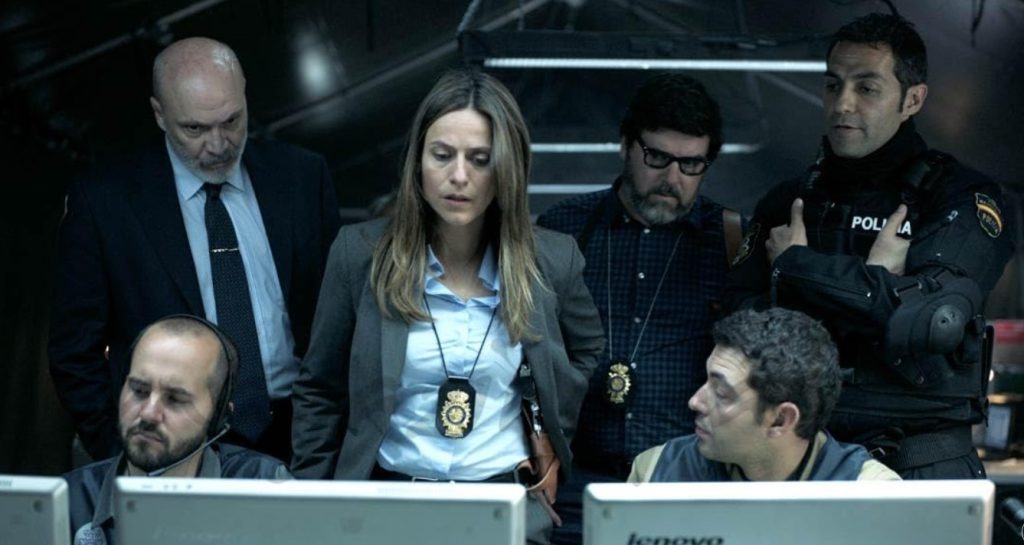
9. Sabotage
Original Movie Context
- Subtitle/Dialog: “You sabotaged the escape plan.”
- Scene Description & Emotional Tone: Accusations fly in a moment of betrayal and conflict, adding tension to the plot.
Word Breakdown
- Definition: Deliberate destruction or obstruction intended to weaken an enemy or hinder progress.
- Part of Speech: Verb/Noun
- Pronunciation: /ˈsæb.ə.tɑːʒ/
- Etymology: From French “sabotage,” originally referring to workers throwing their sabots (wooden shoes) into machinery.
Examples:
- The workers were accused of sabotage during the strike.
- Sabotage of the machinery caused the factory shutdown.
Contextual Usage
- Example Sentences:
- Formal: The investigation revealed acts of sabotage within the organization.
- Informal: Someone tried to sabotage my presentation by deleting the slides.
- Common Collocations: Act of sabotage, sabotage efforts, prevent sabotage.
- Potential Idioms/Slang: “Throw a wrench in the works” (to sabotage or disrupt plans)
Learning Insights
- Pronunciation Tip: Sounds like “SAB-o-tage.”
- Common Mistakes: Confusing “sabotage” with “sabot.”
- Cultural Nuance: Sabotage is a common theme in thrillers and action movies, symbolizing deceit and strategic disruption.
10. Obstruction
Original Movie Context
- Subtitle/Dialog: “Obstruction of justice.”
- Scene Description & Emotional Tone: Legal implications are discussed, adding gravity and complexity to the storyline.
Word Breakdown
- Definition: The action of deliberately hindering or preventing something.
- Part of Speech: Noun
- Pronunciation: /əbˈstrʌk.ʃən/
- Etymology: From Latin “obstruere,” meaning “to block up.”
Examples:
- The politician was charged with obstruction of justice.
- Road construction is causing an obstruction on the highway.
Contextual Usage
- Example Sentences:
- Formal: He was convicted of obstruction of justice for tampering with evidence.
- Informal: The fallen tree was an obstruction on the hiking trail.
- Common Collocations: Obstruction of justice, physical obstruction, remove obstruction.
- Potential Idioms/Slang: “Block the way” (similar meaning)
Learning Insights
- Pronunciation Tip: Stress the second syllable: ob-STRUCTION.
- Common Mistakes: Mispronouncing the “st” as “sht.”
- Cultural Nuance: Obstruction is a legal term often used in crime dramas, highlighting the fight between law enforcement and criminals.
11. Collaboration
Original Movie Context
- Subtitle/Dialog: “Our first rule was no names, no personal relationships.”
- Scene Description & Emotional Tone: Emphasizing teamwork and the importance of collaboration without personal ties.
Word Breakdown
- Definition: The action of working with someone to produce something.
- Part of Speech: Noun
- Pronunciation: /kəˌlæb.əˈreɪ.ʃən/
- Etymology: From Latin “collaborare,” meaning “to work together.”
Examples:
- Successful collaboration between departments improved company performance.
- The artists’ collaboration resulted in a stunning masterpiece.
Contextual Usage
- Example Sentences:
- Formal: The collaboration between the two universities led to groundbreaking research.
- Informal: Our team’s collaboration made the project finish ahead of schedule.
- Common Collocations: Collaborative effort, collaboration agreement, foster collaboration.
- Potential Idioms/Slang: “Teamwork makes the dream work” (emphasizing the importance of collaboration)
Learning Insights
- Pronunciation Tip: Emphasize the third syllable: col-la-BO-ra-tion.
- Common Mistakes: Stressing the wrong syllable or mispronouncing “lab.”
- Cultural Nuance: Collaboration is key in both professional and creative environments, often highlighted in success stories.
12. Corpse
Original Movie Context
- Subtitle/Dialog: “Then you’ll have another corpse on your hands.”
- Scene Description & Emotional Tone: A threat indicating the inevitability of death, creating fear and urgency.
Word Breakdown
- Definition: A dead body, especially of a human.
- Part of Speech: Noun
- Pronunciation: /kɔːrpseɪ/
- Etymology: From Latin “corpus,” meaning “body.”
Examples:
- The detectives discovered a corpse in the abandoned house.
- The novel begins with the discovery of a mysterious corpse.
Contextual Usage
- Example Sentences:
- Formal: The forensic team examined the corpse for signs of foul play.
- Informal: They found a corpse near the old bridge during their hike.
- Common Collocations: Hidden corpse, corpse discovery, forensic examination of a corpse.
- Potential Idioms/Slang: “Cold as a corpse” (very cold)
Learning Insights
- Pronunciation Tip: Sounds like “KORP-se.”
- Common Mistakes: Adding an unnecessary “e” at the end, making it “corpsee.”
- Cultural Nuance: Corpse is a serious term often used in crime and mystery genres to heighten suspense.
13. Restrain
Original Movie Context
- Subtitle/Dialog: “We have to restrain her, dammit!”
- Scene Description & Emotional Tone: Urgent instructions to hold someone back, conveying tension and control.
Word Breakdown
- Definition: To prevent someone from doing something; to hold back.
- Part of Speech: Verb
- Pronunciation: /rɪˈstreɪn/
- Etymology: From Latin “restringere,” meaning “to bind tightly.”
Examples:
- The security guards had to restrain the unruly customer.
- Parents often restrain their children to keep them safe.
Contextual Usage
- Example Sentences:
- Formal: The police had to restrain the suspect to prevent him from fleeing.
- Informal: I had to restrain myself from eating the entire cake.
- Common Collocations: Restrain someone, restrain movement, restrain emotions.
- Potential Idioms/Slang: “Hold back” (similar meaning)
Learning Insights
- Pronunciation Tip: Emphasize the second syllable: re-STRAIN.
- Common Mistakes: Confusing “restrain” with “retain.”
- Cultural Nuance: Restraining is often depicted in action and thriller movies to illustrate control and authority.
14. Explosive
Original Movie Context
- Subtitle/Dialog: “You placed explosive devices that, thank God, didn’t work.”
- Scene Description & Emotional Tone: Discussing failed attempts to cause destruction, highlighting relief and criticism.
Word Breakdown
- Definition: A substance or device capable of causing a violent explosion.
- Part of Speech: Adjective/Noun
- Pronunciation: /ɪkˈsploʊ.sɪv/
- Etymology: From Latin “explodere,” meaning “to drive out by clapping.”
Examples:
- The demolition team used explosive charges to bring down the building.
- He carried an explosive to threaten his opponents.
Contextual Usage
- Example Sentences:
- Formal: The security team detected explosive materials in the luggage.
- Informal: She has an explosive personality and can get angry quickly.
- Common Collocations: Explosive device, explosive material, highly explosive.
- Potential Idioms/Slang: “Go off like a bomb” (to explode or detonate)
Learning Insights
- Pronunciation Tip: Stress the second syllable: ex-PLO-sive.
- Common Mistakes: Mispronouncing “explosive” as “explo-sive.”
- Cultural Nuance: Explosives are often central to action-packed scenes, symbolizing danger and high stakes.
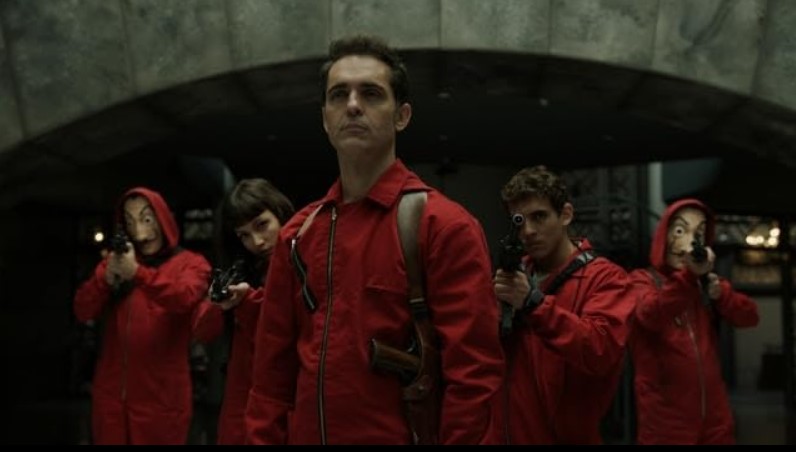
15. Ambulance
Original Movie Context
- Subtitle/Dialog: “We have an ambulance out there to take you to the hospital.”
- Scene Description & Emotional Tone: Offering medical assistance, conveying urgency and care.
Word Breakdown
- Definition: A vehicle equipped for transporting the injured or sick.
- Part of Speech: Noun
- Pronunciation: /ˈæm.bjʊ.ləns/
- Etymology: From Latin “ambulare,” meaning “to walk,” reflecting its original purpose of mobile care.
Examples:
- The ambulance arrived quickly after the call was made.
- He was taken by ambulance to the nearest hospital.
Contextual Usage
- Example Sentences:
- Formal: The injured worker was transported by ambulance to the emergency room.
- Informal: I saw an ambulance speeding down the street this morning.
- Common Collocations: Call an ambulance, ambulance service, ambulance driver.
- Potential Idioms/Slang: “In the ambulance” (referring to being seriously injured)
Learning Insights
- Pronunciation Tip: Emphasize the first syllable: AM-bu-lance.
- Common Mistakes: Mispronouncing “ambulance” as “am-bull-ance.”
- Cultural Nuance: Ambulances are symbols of emergency and care, frequently appearing in medical and action genres.
Make Language Learning Fun and Accessible with Movie For Language
Learning vocabulary through movie for language practice not only enhances your language skills but also keeps you engaged and entertained. Imagine watching your favorite series, like Money Heist S01E07, while effortlessly picking up new words and phrases. That’s exactly what Movie For Language offers!
How Movie For Language Enhances Your Learning:
- Mouse Dictionary: Hover over any word in the subtitles to get instant definitions. No need to pause and search; learn seamlessly in real-time.
- Save Words: Encounter a new word? Save it with a click and review it later to reinforce your memory.
- Fluency Gym: Our unique feature turns passive vocabulary into active language skills. Engage with dialogues, guess meanings, and practice pronunciation alongside native speakers.
- Download Subtitles: Export subtitles in multiple formats like Anki or CSV for offline study. Perfect for revisiting tough scenes and challenging your understanding.
- Auto-Pause: Control playback by pausing after every sentence, ensuring you grasp each word before moving on.
- Sidebar Display: Access all your saved words, settings, and subtitles from a convenient sidebar, keeping your learning organized and accessible.
- Word Pronunciation: Click on any word to hear its correct pronunciation, enhancing your speaking skills.
- Triple Subtitle Support: Watch with subtitles in three languages simultaneously, perfect for comparing and learning different language structures.
Why Choose Movie For Language?
- Interactive Learning: Engage with movies actively rather than passively watching. Movie For Language makes learning an adventure.
- Personalized Experience: Customize your learning journey with features like adjustable font sizes, subtitle colors, and more.
- Efficient and Enjoyable: Combine entertainment with education, making language learning something you look forward to every day.
Join the Language Learning Revolution
Ready to transform your language skills while enjoying captivating movies? Movie For Language is your ultimate companion. Whether you’re practicing movie vocab or diving deep into language learning with Netflix, our extension offers the tools you need for success.
Discover More with Movie For Language
- Fluency Gym: Elevate your reading, listening, and speaking skills with our innovative mode.
- Machine Translation: Access subtitles in languages where official subtitles aren’t available, broadening your learning horizons.
- Jump to Sentences: Start playing from any dialogue selected in the sidebar for targeted practice.
- Pronunciation Tools: Improve your speaking fluency by mimicking real-life conversations with accurate pronunciation guides.
Explore More with Our Previous Articles
To continue your Movie Language Practice, check out our related articles:
- Movie Vocab Practice: Unlocking English from “Money Heist S01 E04”
- Mastering English Vocabulary with “Money Heist S01 E02”: An Engaging Learning Journey
- Master English Vocabulary with Money Heist S01 E01: Learn English via Film
Each article dives deep into vocabulary from different episodes, offering you a comprehensive learning path.
Conclusion
Embrace the power of movie for language learning with Movie For Language and make your English journey both effective and enjoyable. By exploring vocabulary from Money Heist S01E07, you’ve taken the first step towards mastering new words in context. Now, let our innovative extension amplify your learning experience, making every movie a stepping stone to fluency.
Ready to take your language skills to the next level? Visit Movie For Language today and discover how technology can transform your language learning adventure. Whether you’re saving words, practicing with Fluency Gym, or enjoying seamless movie vocab practice, our extension is designed to support and inspire you every step of the way. Happy learning!