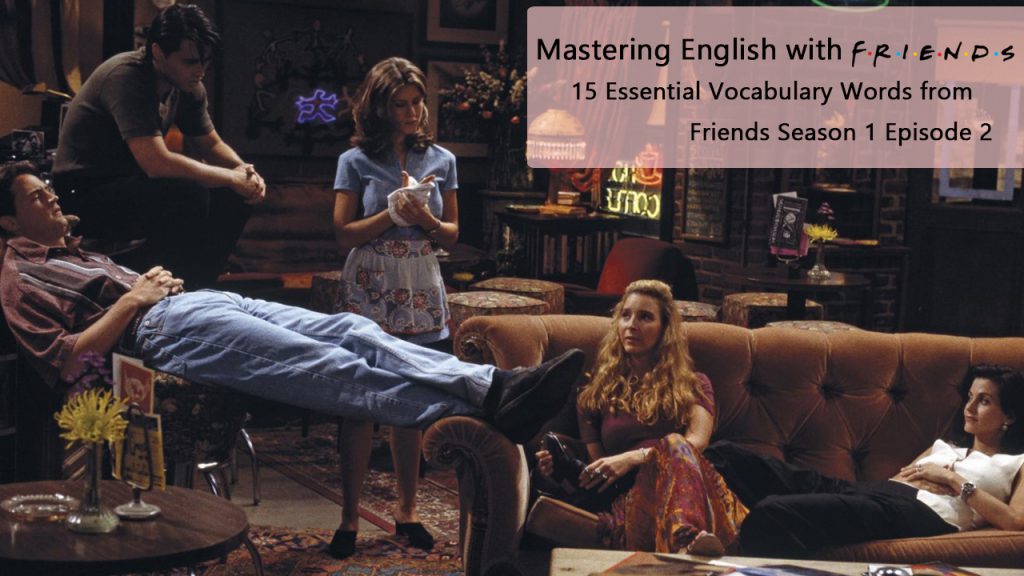
Learning English with Netflix can be as entertaining as binge-watching your favorite sitcoms. Friends Season 1 Episode 2, titled “The One with the Sonogram at the End,” is a perfect example of how engaging dialogues and relatable scenarios can enhance your language learning experience. In this article, we’ll explore 15 carefully selected vocabulary words extracted directly from this episode’s subtitles. Each word is presented in a fun, narrative-driven format to make your learning journey enjoyable and effective. Plus, we’ll introduce you to FunFluen.com, our innovative language learning extension that seamlessly integrates these words into your study routine.
1. Sonogram
Original Movie Context
- Subtitle: Ross excitedly talks about seeing his baby for the first time through a sonogram.
- Scene Description: Ross shares the news of his pregnancy with his friends, expressing his anticipation for the sonogram.
- Emotional Tone: Excited and hopeful.
Word Breakdown
- Definition: An ultrasound image, especially one of a fetus in the womb.
- Part of Speech: Noun
- Pronunciation: /ˈsɒn.ə.grɑːm/
- Etymology: From Latin sonus (sound) and Greek gramma (something written or recorded).
Example Sentences:
- They scheduled a sonogram to check the baby’s development.
- The sonogram revealed that everything was progressing normally.
Contextual Usage
- Formal: “The sonogram indicated a healthy heartbeat.”
- Informal: “We’re going to get a sonogram this weekend.”
- Common Collocations: Sonogram appointment, sonogram image, prenatal sonogram
Learning Insights
- Pronunciation Tips: Stress the first syllable: SON-o-gram.
- Common Mistakes: Mispronouncing as sone-ogram instead of SON-o-gram.
- Cultural Nuances: Sonograms are significant in prenatal care, symbolizing the anticipation of a new life.
- Memorization Tricks: Link “sonogram” to “sound” and “gram” (recording) to visualize the ultrasound machine.
2. Eager
Original Movie Context
- Subtitle: Ross expresses how eager he is to see the sonogram.
- Scene Description: Ross’s enthusiasm about the upcoming sonogram highlights his excitement.
- Emotional Tone: Enthusiastic and passionate.
Word Breakdown
- Definition: Wanting to do or have something very much.
- Part of Speech: Adjective
- Pronunciation: /ˈiːɡər/
- Etymology: From Old English eġer meaning “strong desire.”
Example Sentences:
- She was eager to start her new job.
- The children were eager to open their presents on Christmas morning.
Contextual Usage
- Formal: “The committee is eager to review the new proposal.”
- Informal: “I’m so eager to see the new movie!”
- Common Collocations: Eager to learn, eager anticipation, eager expression
Learning Insights
- Pronunciation Tips: Emphasize the first syllable: EAG-er.
- Common Mistakes: Pronouncing the second syllable too strongly, e.g., eag-ER instead of EAG-er.
- Cultural Nuances: Often used to describe strong positive feelings towards future events or actions.
- Memorization Tricks: Imagine someone eagerly jumping into an activity to remember the intensity of the desire.
3. Womb
Original Movie Context
- Subtitle: Carol explains that she and Susan are raising Ross’s child together in the womb.
- Scene Description: The conversation revolves around the pregnancy and the biological aspects of it.
- Emotional Tone: Informative and supportive.
Word Breakdown
- Definition: The organ in female mammals where offspring are conceived and in which they gestate before birth.
- Part of Speech: Noun
- Pronunciation: /wuːm/
- Etymology: From Old English wamb meaning “belly” or “stomach.”
Example Sentences:
- The baby is developing rapidly in the womb.
- She feels the baby move in her womb.
Contextual Usage
- Formal: “The fetus remains in the womb for approximately nine months.”
- Informal: “She’s pregnant and has a healthy baby in her womb.”
- Common Collocations: Develop in the womb, gestation in the womb, womb environment
Learning Insights
- Pronunciation Tips: Pronounce it as woom, rhyming with “boom.”
- Common Mistakes: Mispronouncing with an extra syllable, e.g., woom-b.
- Cultural Nuances: The womb is often symbolized as a place of life and protection.
- Memorization Tricks: Visualize the womb as a nurturing environment to associate it with pregnancy.
4. Engagement Ring
Original Movie Context
- Subtitle: Rachel panics after losing her engagement ring, fearing she must return it.
- Scene Description: Rachel frantically searches for her missing ring, adding drama to her storyline.
- Emotional Tone: Anxious and distressed.
Word Breakdown
- Definition: A ring worn on the ring finger as a symbol of engagement to be married.
- Part of Speech: Noun Phrase
- Pronunciation: /ɪnˈɡeɪdʒmənt rɪŋ/
- Etymology: Combines engagement, from Old French engagier (to pledge), and ring from Old English hring.
Example Sentences:
- She showed off her new engagement ring to her friends.
- He proposed with a stunning engagement ring.
Contextual Usage
- Formal: “The engagement ring was crafted from platinum and adorned with diamonds.”
- Informal: “I can’t believe I lost my engagement ring!”
- Common Collocations: Engagement ring shopping, lost engagement ring, engagement ring design
Learning Insights
- Pronunciation Tips: Emphasize the second syllable in engagement: en-GAGE-ment.
- Common Mistakes: Mispronouncing engagement as engage-ment instead of en-gage-ment.
- Cultural Nuances: Engagement rings are significant in many cultures as symbols of commitment.
- Memorization Tricks: Visualize a sparkling ring being presented during a proposal to remember the term.
5. Fascinated
Original Movie Context
- Subtitle: Joey expresses how fascinated he is with the scientific details of Ross’s sonogram.
- Scene Description: Joey shows genuine interest in Ross’s scientific endeavors, adding depth to his character.
- Emotional Tone: Curious and engaged.
Word Breakdown
- Definition: Strongly attracted and interested.
- Part of Speech: Adjective
- Pronunciation: /ˈfæsɪneɪtɪd/
- Etymology: From Latin fascinatus, past participle of fascinare meaning “to bewitch.”
Example Sentences:
- She was fascinated by the intricate details of the painting.
- He remained fascinated by the mysteries of the universe.
Contextual Usage
- Formal: “The students were fascinated by the professor’s lecture on quantum physics.”
- Informal: “I’m so fascinated by how this gadget works!”
- Common Collocations: Fascinated by, remain fascinated, become fascinated with
Learning Insights
- Pronunciation Tips: Break it down as FAS-si-nated, stressing the first syllable.
- Common Mistakes: Misplacing the stress or elongating the vowels, e.g., fas-si-NA-ted.
- Cultural Nuances: Often used to describe intense interest or attraction to subjects, people, or objects.
- Memorization Tricks: Associate fascinated with being spellbound or mesmerized to recall its meaning.

6. Nervous
Original Movie Context
- Subtitle: Rachel admits she’s nervous about returning the engagement ring and facing Barry.
- Scene Description: Rachel shares her anxiety with friends, adding emotional depth to her character.
- Emotional Tone: Anxious and vulnerable.
Word Breakdown
- Definition: Easily agitated or alarmed; tending to be anxious.
- Part of Speech: Adjective
- Pronunciation: /ˈnɜːrvəs/
- Etymology: From Latin nervosus, meaning “sinewy” or “strong,” later associated with emotions.
Example Sentences:
- She felt nervous before the big presentation.
- He gets nervous speaking in public.
Contextual Usage
- Formal: “The candidate appeared nervous during the interview, which affected his performance.”
- Informal: “I’m so nervous about my first day at the new job!”
- Common Collocations: Feel nervous, look nervous, get nervous
Learning Insights
- Pronunciation Tips: Stress the first syllable: NERV-ous.
- Common Mistakes: Mispronouncing the second syllable as -vuhs instead of -vus.
- Cultural Nuances: Commonly used to describe emotional states related to fear, anxiety, or anticipation.
- Memorization Tricks: Picture someone trembling or fidgeting to associate with nervousness.
7. Amidst
Original Movie Context
- Subtitle: Chandler attempts to calm Rachel amidst the chaos of searching for the ring.
- Scene Description: Chandler offers support to Rachel while the group searches for her engagement ring.
- Emotional Tone: Supportive and calming.
Word Breakdown
- Definition: In the middle of or surrounded by.
- Part of Speech: Preposition
- Pronunciation: /əˈmɪdst/
- Etymology: From Middle English amydst, from amid + -st.
Example Sentences:
- Amidst the storm, the lighthouse stood firm.
- She found her keys amidst the clutter on her desk.
Contextual Usage
- Formal: “Amidst the economic downturn, the company managed to remain profitable.”
- Informal: “We had fun amidst all the chaos at the party.”
- Common Collocations: Amidst chaos, amidst uncertainty, amidst the crowd
Learning Insights
- Pronunciation Tips: Break it down as a-MIDST, stressing the second syllable.
- Common Mistakes: Mispronouncing as a-mid-ust instead of a-MIDST.
- Cultural Nuances: Often used to describe being in the midst of something significant or challenging.
- Memorization Tricks: Imagine being surrounded by something to remember it means “in the middle of.”
8. Scattered
Original Movie Context
- Subtitle: Monica expresses frustration as the engagement ring is found scattered throughout the lasagna.
- Scene Description: The group discovers the engagement ring hidden in the lasagna, leading to comedic chaos.
- Emotional Tone: Frustrated and comedic.
Word Breakdown
- Definition: Thrown loosely or haphazardly in various directions.
- Part of Speech: Verb (past tense of scatter) and Adjective
- Pronunciation: /ˈskætərd/
- Etymology: From Old Norse skattra meaning “to scatter.”
Example Sentences:
- Leaves were scattered all over the yard after the storm.
- She scattered her books across the table.
Contextual Usage
- Formal: “Debris was scattered across the construction site after the demolition.”
- Informal: “My thoughts were scattered during the exam.”
- Common Collocations: Scattered across, scattered thoughts, scattered papers
Learning Insights
- Pronunciation Tips: Emphasize the first syllable: SCAT-terd.
- Common Mistakes: Overemphasizing the second syllable or adding extra syllables.
- Cultural Nuances: Used to describe disarray or disorder, often in both physical and metaphorical contexts.
- Memorization Tricks: Visualize objects being thrown in different directions to remember “scattered.”
9. Beaming
Original Movie Context
- Subtitle: Ross is beaming with joy as he shares the sonogram results with his friends.
- Scene Description: Ross’s happiness shines through as he discusses the sonogram, creating a warm atmosphere.
- Emotional Tone: Joyful and proud.
Word Breakdown
- Definition: Smiling radiantly; shining brightly.
- Part of Speech: Adjective (present participle of beam)
- Pronunciation: /ˈbiːmɪŋ/
- Etymology: From Old English bēamian meaning “to shine or gleam.”
Example Sentences:
- She was beaming with pride after winning the award.
- His face was beaming with happiness during the celebration.
Contextual Usage
- Formal: “The CEO was beaming with satisfaction after the successful merger.”
- Informal: “You look beaming today! What’s the good news?”
- Common Collocations: Beaming smile, beaming face, beaming with pride
Learning Insights
- Pronunciation Tips: Stress the first syllable: BEAM-ing.
- Common Mistakes: Mispronouncing as bee-ming with equal stress.
- Cultural Nuances: Beaming often conveys happiness and positivity, commonly used to describe facial expressions.
- Memorization Tricks: Picture someone with a bright, radiant smile to remember “beaming.”
10. Confusion
Original Movie Context
- Subtitle: Rachel explains her confusion about how the engagement ring ended up in the lasagna.
- Scene Description: Rachel becomes flustered as she tries to piece together the mystery of her lost ring.
- Emotional Tone: Bewildered and stressed.
Word Breakdown
- Definition: Lack of understanding; uncertainty.
- Part of Speech: Noun
- Pronunciation: /kənˈfjuːʒən/
- Etymology: From Latin confusio, from confundere meaning “to pour together” or “mix up.”
Example Sentences:
- There was a lot of confusion during the emergency evacuation.
- His instructions led to confusion among the team members.
Contextual Usage
- Formal: “The new policy caused confusion among the employees.”
- Informal: “I’m so confused about what happened last night.”
- Common Collocations: Cause confusion, clear up confusion, confusion ensues
Learning Insights
- Pronunciation Tips: Stress the second syllable: con-FU-sion.
- Common Mistakes: Misplacing the stress, saying con-fu-SION instead of con-FU-sion.
- Cultural Nuances: Often used to describe situations where information is unclear or misunderstood.
- Memorization Tricks: Imagine a tangled knot to associate with the idea of confusion.
11. Serious
Original Movie Context
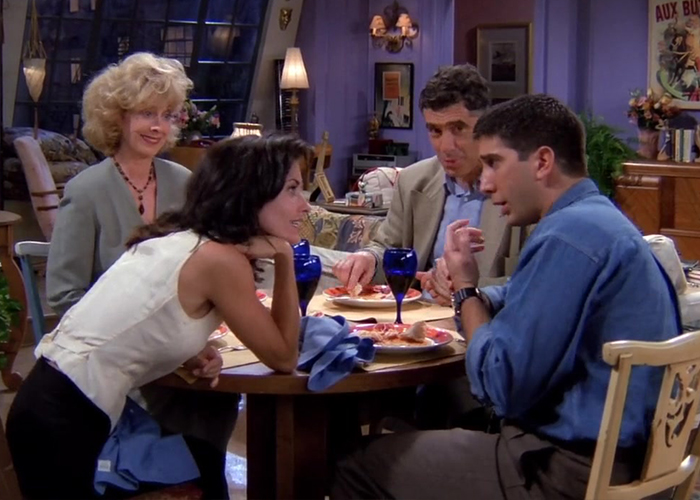
- Subtitle: Monica stresses that kissing is serious and important in relationships.
- Scene Description: Monica emphasizes the significance of physical affection in building relationships.
- Emotional Tone: Assertive and thoughtful.
Word Breakdown
- Definition: Solemn or thoughtful in character or manner; important or significant.
- Part of Speech: Adjective
- Pronunciation: /ˈsɪəriəs/
- Etymology: From Old French serieux, from Latin serius meaning “grave, earnest.”
Example Sentences:
- She gave him a serious look when he made that comment.
- The meeting was serious and required everyone’s full attention.
Contextual Usage
- Formal: “The doctor spoke in a serious tone about the patient’s condition.”
- Informal: “He needs to have a serious conversation with his parents.”
- Common Collocations: Serious matter, serious tone, serious expression
Learning Insights
- Pronunciation Tips: Stress the first syllable: SE-rious.
- Common Mistakes: Mispronouncing the second syllable as -rious instead of -rious.
- Cultural Nuances: Used to denote importance or a lack of frivolity in situations.
- Memorization Tricks: Associate “serious” with someone wearing a serious expression to recall its meaning.
12. Panicked
Original Movie Context
- Subtitle: Rachel panics as she realizes the engagement ring is missing.
- Scene Description: Rachel’s sudden realization leads to a frantic search, highlighting her distress.
- Emotional Tone: Frantic and fearful.
Word Breakdown
- Definition: Overwhelmed with fear or anxiety.
- Part of Speech: Adjective (past tense of panic)
- Pronunciation: /ˈpænɪkt/
- Etymology: From Greek panikon, meaning “pertaining to panic,” from Pan, the Greek god who caused sudden fear.
Example Sentences:
- He panicked when he couldn’t find his passport.
- The crowd panicked during the unexpected power outage.
Contextual Usage
- Formal: “The passengers panicked during the sudden turbulence.”
- Informal: “I totally panicked when I saw the spider!”
- Common Collocations: Panicked response, panicked state, panicked movements
Learning Insights
- Pronunciation Tips: Emphasize the first syllable: PAN-icked.
- Common Mistakes: Pronouncing it with equal stress on both syllables or placing stress incorrectly.
- Cultural Nuances: Often used to describe acute emotional reactions to unexpected or threatening situations.
- Memorization Tricks: Imagine someone suddenly running or screaming in panic to associate with the word.
13. Flustered
Original Movie Context
- Subtitle: Monica becomes flustered while searching through the lasagna for her engagement ring.
- Scene Description: Monica’s frustration peaks as she handles the chaotic search.
- Emotional Tone: Frustrated and disoriented.
Word Breakdown
- Definition: Agitated or confused, often due to nervousness or stress.
- Part of Speech: Adjective
- Pronunciation: /ˈflʌstərd/
- Etymology: From Middle English fluster, meaning “to bewilder or confuse.”
Example Sentences:
- She felt flustered during the unexpected meeting.
- He got flustered trying to explain the complex instructions.
Contextual Usage
- Formal: “The unexpected questions left the speaker flustered.”
- Informal: “I get so flustered when I have to speak in public.”
- Common Collocations: Feel flustered, become flustered, look flustered
Learning Insights
- Pronunciation Tips: Stress the first syllable: FLUS-terd.
- Common Mistakes: Mispronouncing the second syllable or adding extra syllables.
- Cultural Nuances: Used to describe a state of confusion or agitation, often in social or high-pressure situations.
- Memorization Tricks: Visualize someone tripping over their words to remember “flustered.”
14. Elusive
Original Movie Context
- Subtitle: Ross describes the engagement ring as elusive, making it difficult to find.
- Scene Description: The group struggles to locate the missing ring, emphasizing its elusiveness.
- Emotional Tone: Frustrated and challenging.
Word Breakdown
- Definition: Difficult to find, catch, or achieve; hard to define or describe.
- Part of Speech: Adjective
- Pronunciation: /ɪˈluːsɪv/
- Etymology: From Latin elusivus, from eludere meaning “to evade.”
Example Sentences:
- The rare bird is highly elusive and rarely seen.
- Success can be elusive without proper planning.
Contextual Usage
- Formal: “The elusive concept of quantum entanglement challenges many scientists.”
- Informal: “That last piece of the puzzle is so elusive!”
- Common Collocations: Elusive goal, elusive idea, elusive nature
Learning Insights
- Pronunciation Tips: Stress the second syllable: e-LU-sive.
- Common Mistakes: Placing stress on the first syllable or mispronouncing the vowels.
- Cultural Nuances: Often used to describe abstract concepts or hard-to-find objects and people.
- Memorization Tricks: Think of something constantly slipping away, like trying to catch a shadow.
15. Supportive
Original Movie Context
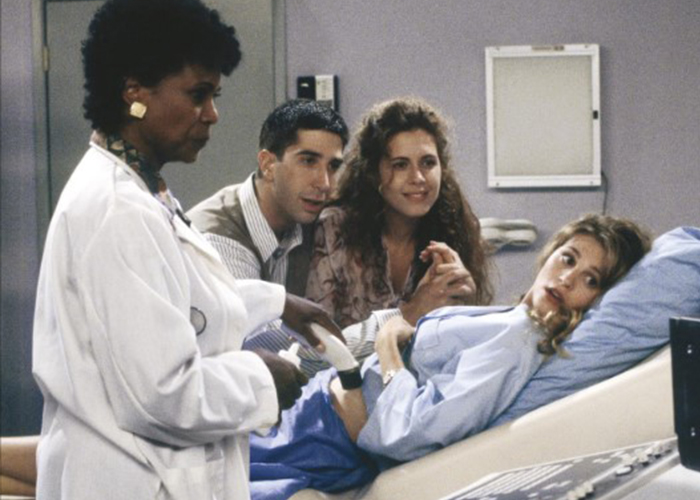
- Subtitle: Carol assures Ross that she and Susan are supportive in raising their child.
- Scene Description: Carol provides emotional support to Ross, reinforcing their cooperative relationship.
- Emotional Tone: Reassuring and compassionate.
Word Breakdown
- Definition: Providing encouragement or emotional help.
- Part of Speech: Adjective
- Pronunciation: /səˈpɔːtɪv/
- Etymology: From Latin supportare, meaning “to carry from beneath.”
Example Sentences:
- She is very supportive of her friends during tough times.
- A supportive work environment can boost employee morale.
Contextual Usage
- Formal: “The organization offers supportive services to its members.”
- Informal: “My family is so supportive of my career choices.”
- Common Collocations: Supportive friend, supportive environment, supportive comments
Learning Insights
- Pronunciation Tips: Stress the second syllable: sup-POR-tive.
- Common Mistakes: Misplacing the stress or adding extra syllables.
- Cultural Nuances: Describes positive, encouraging relationships and environments.
- Memorization Tricks: Visualize a person lifting someone else up to associate with support.
Making Language Learning Fun with FunFluen.com
As you explore these 15 vocabulary words from Friends Season 1 Episode 2, imagine integrating them into your daily learning routine effortlessly. With FunFluen.com’s Fluency Gym, you can transform passive vocabulary into active language skills. Here’s how:
- Mouse Dictionary: Hover over any new word in the subtitles, like sonogram or elusive, to see instant definitions and pronunciations. This real-time assistance ensures you never miss a beat while watching your favorite shows.
- Save Words: Easily save new vocabulary such as panicked or flustered for future review, making it simple to reinforce your learning.
- Auto-Pause and Play: Control playback to give yourself time to absorb each sentence, ensuring you fully understand phrases like amidst chaos or beaming with joy.
Fluency Gym: Your Path to Mastering a Language
Introducing Fluency Gym, our innovative feature designed to elevate your reading, listening, and speaking skills from intermediate to advanced levels in a fun and engaging way.
- Reading Mode (Word Builder): View Friends subtitles in your target language first, then reveal native language subtitles after a few seconds. This encourages active engagement with vocabulary like nervous or supportive.
- Listening Mode (Ear Training): Listen to dialogues without subtitles, write down what you hear, then compare with the actual subtitles. Enhance your ability to understand native speech patterns.
- Speaking Mode (Speech Challenger): Practice saying sentences aloud, improving your pronunciation and speaking fluency by mimicking real-life conversations.
With Fluency Gym, every episode of Friends becomes a new challenge, providing endless opportunities for active recall of vocabulary and grammar. Imagine discussing the sonogram or engagement ring with ease, thanks to interactive and immersive learning tools.
Conclusion
Learning English through movies like Friends Season 1 Episode 2 makes vocabulary acquisition enjoyable and contextually rich. By understanding these 15 essential words and phrases, you not only enhance your language skills but also connect more deeply with the cultural nuances and humor embedded in the show.
Ready to take your language learning to the next level? Visit FunFluen.com and explore our powerful extension tools, including Fluency Gym, to transform how you learn English. Whether you’re aiming to boost your vocabulary, sharpen your listening skills, or perfect your pronunciation, FunFluen.com is your ultimate companion on the journey to fluency.