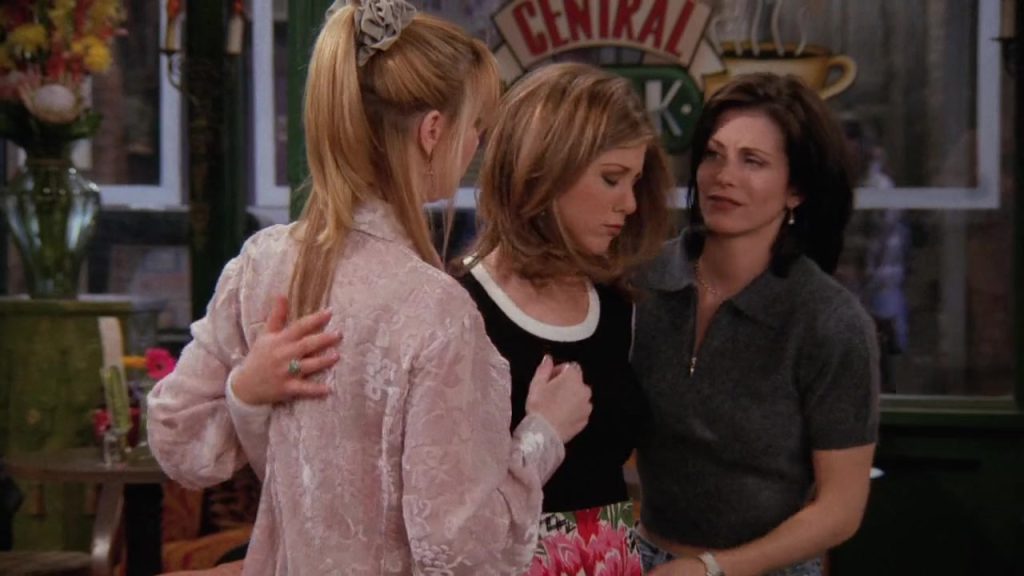
Embarking on your learning English journey has never been more enjoyable! If you’re an intermediate or advanced learner, there’s no better way to boost your language skills than by immersing yourself in real-world, natural dialogues. And what better way to do that than through a classic show like Friends?
In this article, we’ll break down some key vocabulary from Friends S02E19 and provide a deeper understanding of each word and phrase. By the end, you’ll not only have learned these new words but also be able to use them confidently in conversations. Plus, we’ll show you how watching movies and TV shows can be a powerful tool in your learn English journey—and how our extension can help enhance that experience.
Vocabulary to Learn in This Article
- Roomie
- Jaunty
- Cache
- Consider me gone
- What’s that about?
- Hannibal Lecter
- Pallie
- Makes me feel peaceful
- Get out now
- Windkeeper
- Lightning-bearer
- Fallic-shaped man cakes
- Take out wind
- Be alright
- Make fun
1. Roomie
- Original Movie Context:
- Chandler: “Hey Eddie. Daahh!! What’re you doin’ here?”
- Eddie: “Nothin’ roomie, just watchin’ you sleep.”
- Scene: Eddie is sitting quietly in Chandler’s bedroom, making an already awkward situation even more uncomfortable.
- Word Breakdown:
- Definition: Roomie is a casual, friendly term for a “roommate,” the person you share a living space with.
- Pronunciation: /ˈruːmi/
- Example: “My roomie and I decided to get a dog together.”
- Contextual Usage:
- “My roomie always has friends over for movie nights.”
- Roomie is informal, so use it with people you’re close to or when talking about living arrangements with friends.
- Learning Insights:
- Tip: You can use “roomie” when speaking casually. In formal speech, use “roommate” instead.
2. Jaunty
- Original Movie Context:
- Monica: “Wow, for a guy who’s recently lost his job, you’re in an awfully good mood.”
- Joey: “Hey, I’ll be alright. I mean it’s not like I’m starting from square one. I was Dr. Drake Remoray on Days of Our Lives. Heh? I mean that’s gotta have some kind of cache.”
- Monica: “Cache? Jaunty?”
- Scene: Monica is confused by Joey’s upbeat attitude despite losing his job. Joey tries to explain his confidence.
- Word Breakdown:
- Definition: Jaunty means cheerful, lively, or confident in appearance or attitude.
- Pronunciation: /ˈdʒɔːnti/
- Example: “She wore a jaunty hat that gave her an extra dose of confidence.”
- Contextual Usage:
- “He walked with a jaunty stride, ready for whatever the day would bring.”
- It’s often used when describing a person’s lively attitude or a fashionable appearance.
- Learning Insights:
- Tip: “Jaunty” implies confidence and energy. Use it when describing someone with a positive or stylish demeanor.
Our language learning extension can support your Learning English Journey, ensuring every minute spent watching is a step toward fluency.
3. Cache
- Original Movie Context:
- Joey: “I mean that’s gotta have some kind of cache.”
- Scene: Joey is justifying his confidence by referencing his past fame as Dr. Drake Remoray.
- Word Breakdown:
- Definition: Cache refers to something valuable or prestigious. It can also refer to a hidden storage or reserve.
- Pronunciation: /kæʃ/
- Example: “The city’s old library has a cache of rare books hidden in a secret room.”
- Contextual Usage:
- “Her new job comes with quite a cache of benefits.”
- Cache is often used to describe a collection of valuable items or a person’s esteemed reputation.
- Learning Insights:
- Tip: In tech, “cache” refers to temporary storage of data. But in everyday language, it usually refers to valuable collections or hidden reserves.
Enjoy the process of your Learning English Journey by engaging with fun and memorable content like Friends.
4. Consider me gone
- Original Movie Context:
- Eddie: “Consider me gone.”
- Scene: After Chandler demands Eddie leave, Eddie humorously responds with this phrase, making it clear he’s ready to go.
- Word Breakdown:
- Definition: This phrase means “I’m leaving” or “I’m done with this situation.”
- Pronunciation: /kənˈsɪdər miː ɡɔːn/
- Example: “When the argument started, I told him, ‘Consider me gone’ and walked out of the room.”
- Contextual Usage:
- “After the meeting went nowhere, she said, ‘Consider me gone’ and left.”
- It’s used humorously or dramatically when someone is ready to exit a situation.
- Learning Insights:
- Tip: This phrase is very informal and can be used in a casual, joking manner.
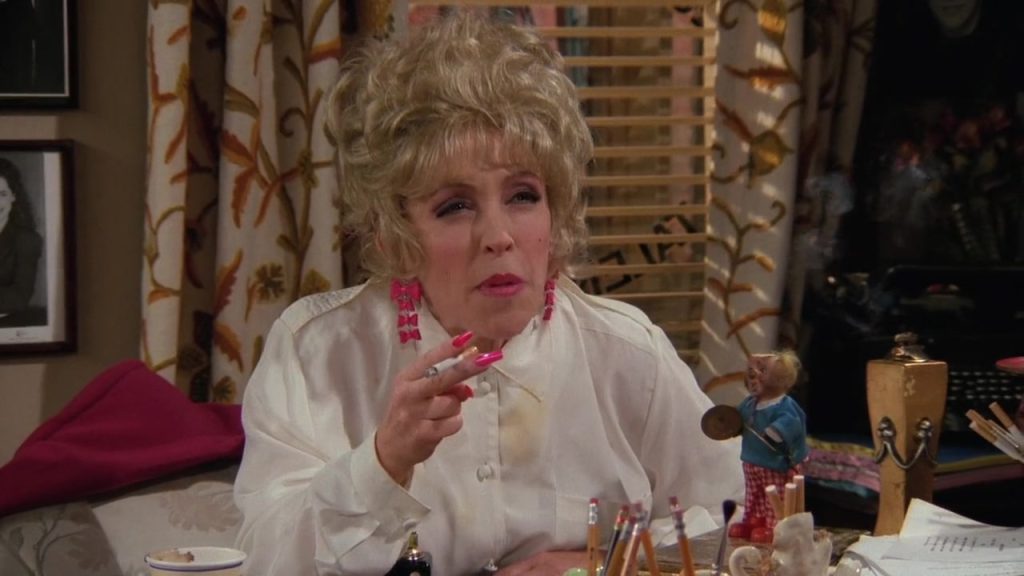
5. What’s that about?
- Original Movie Context:
- Rachel: “Men just take out wind?”
- Phoebe: “Ya-huh, all the time, cause they are the lightning bearers.”
- Rachel: “Wow.”
- Phoebe: “Yeah.”
- Rachel: “Well, that sounds kinda cool, kinda like The Hobbit.”
- Monica: “It is nothing like The Hobbit. It’s like reading about every relationship I’ve ever had, except for Richard.”
- Rachel: “What’s that about?”
- Scene: Rachel questions Phoebe’s statement about “men taking out wind,” expressing confusion.
- Word Breakdown:
- Definition: This phrase expresses confusion or curiosity about something someone has said.
- Pronunciation: /wɒts ðæt əˈbaʊt/
- Example: “He keeps saying strange things. What’s that about?”
- Contextual Usage:
- “You just stopped working halfway through the project. What’s that about?”
- This is a casual way of asking for clarification or expressing disbelief.
- Learning Insights:
- Tip: Use this phrase when you want to ask for an explanation in an informal conversation.
Taking small but consistent steps in your Learning English Journey, like watching familiar shows, leads to big improvements.
6. Hannibal Lecter
- Original Movie Context:
- Chandler: “Hannibal Lecter…better roommate than you.”
- Scene: Chandler sarcastically compares Eddie to the infamous cannibal character, Hannibal Lecter, as a humorous way of saying Eddie is a terrible roommate.
- Word Breakdown:
- Definition: Hannibal Lecter is a fictional character from The Silence of the Lambs, known for being a cannibalistic psychiatrist.
- Pronunciation: /ˈhæ.nɪ.bəl ˈlɛk.tər/
- Example: “His behavior was so strange that it reminded me of Hannibal Lecter.”
- Contextual Usage:
- “You’re acting like Hannibal Lecter with all those creepy looks.”
- This reference is used humorously or sarcastically to describe someone as unsettling.
- Learning Insights:
- Tip: This is a pop culture reference, so it’s only appropriate in informal conversations where the listener understands the joke.
Joining the millions who have made Friends part of their Learning English Journey can transform the way you learn.
7. Pallie
- Original Movie Context:
- Eddie: “Oh, right, all right, you know what, pallie, I understand, consider me gone.”
- Scene: Eddie uses pallie as a casual, friendly term for Chandler, before leaving the apartment.
- Word Breakdown:
- Definition: Pallie is a slang term for “pal” or “friend.”
- Pronunciation: /ˈpæli/
- Example: “Hey pallie, want to grab some coffee later?”
- Contextual Usage:
- “You’re the best, pallie!”
- Pallie is a very informal, friendly term used among close friends.
- Learning Insights:
- Tip: Use pallie when you’re speaking casually to a close friend. It’s not widely used outside of certain
Your Learning English Journey doesn’t have to rely on textbooks alone; interactive tools can make all the difference.
8. Makes me feel peaceful
- Original Movie Context:
- Monica: “You know, Chandler, you make me feel peaceful.”
- Scene: Monica tells Chandler that his presence brings her calmness, likely because of his easy-going attitude.
- Word Breakdown:
- Definition: This phrase means that someone’s actions or behavior makes the speaker feel calm, relaxed, or at ease.
- Pronunciation: /meɪks mi fɪəl ˈpiːsfʊl/
- Example: “The sound of the waves makes me feel peaceful.”
- Contextual Usage:
- “The sound of soft music really makes me feel peaceful after a long day.”
- This phrase is often used to describe situations or people that bring calmness.
- Learning Insights:
- Tip: It’s a positive expression, typically used to compliment someone or describe relaxing situations.
With every word you pick up, you’re building confidence and advancing in your Learning English Journey step by step.
9. Get out now
- Original Movie Context:
- Chandler: “Get out now!”
- Scene: Chandler shouts at Eddie, telling him to leave in an exasperated moment.
- Word Breakdown:
- Definition: Get out now is a forceful way of telling someone to leave immediately.
- Pronunciation: /ɡɛt aʊt naʊ/
- Example: “When the fire alarm went off, we had to get out now!”
- Contextual Usage:
- “If you’re not helping with the dishes, get out now!”
- Typically used in more urgent or dramatic situations.
- Learning Insights:
- Tip: It’s a more intense or humorous way of saying “leave” and can indicate urgency or frustration.
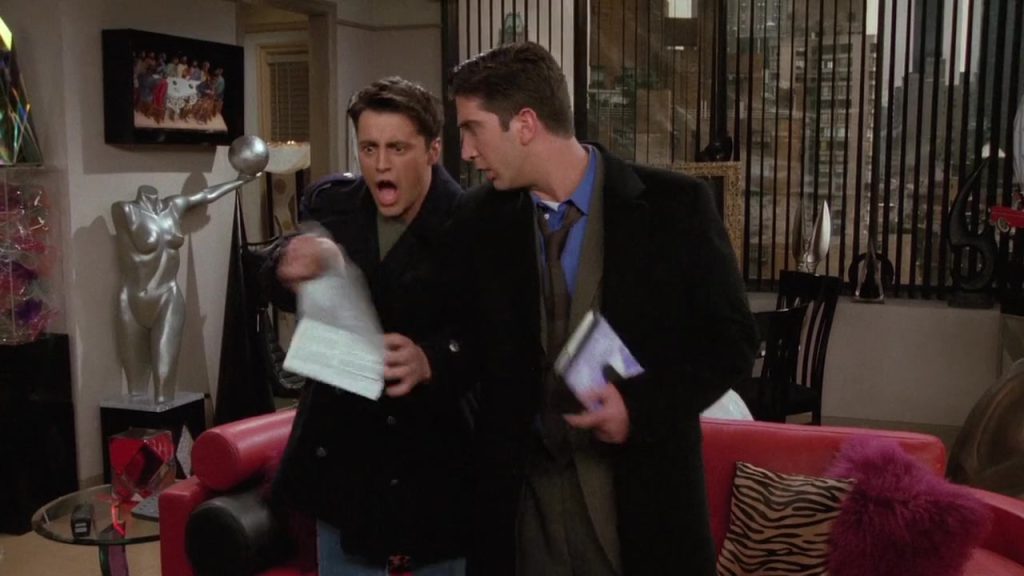
10. Windkeeper
- Original Movie Context:
- Joey: “It’s like a windkeeper of joy!”
- Scene: Joey humorously compares a simple task to something greater, using a whimsical, made-up term.
- Word Breakdown:
- Definition: Windkeeper is not a common term in English, but Joey uses it playfully to suggest a guardian or caretaker of wind or joy. It’s a made-up, fun term.
- Pronunciation: /wɪndˈkiːpər/
- Example: “She’s like the windkeeper of our team, always motivating everyone.”
- Contextual Usage:
- “You know, you’re the windkeeper of this party, making everyone laugh!”
- A whimsical, fun way to describe someone who brings energy and joy.
- Learning Insights:
- Tip: While not a standard word, it’s a good example of creative language use for humor or positive description.
Every episode of Friends brings you closer to fluency in your Learning English Journey with its natural and relatable conversations.
11. Lightning-bearer
- Original Movie Context:
- Chandler: “That’s like calling me the lightning-bearer of your soul.”
- Scene: Chandler exaggerates, comparing his role to something mythical and important, which is clearly meant as a joke.
- Word Breakdown:
- Definition: A lightning-bearer would be someone who holds or carries lightning, symbolizing a powerful force or influence.
- Pronunciation: /ˈlaɪtnɪŋ ˈbɛərər/
- Example: “He was the lightning-bearer of the team, inspiring them to victory.”
- Contextual Usage:
- “She’s the lightning-bearer in our group, always leading us with bold ideas.”
- Used humorously or dramatically to describe someone with powerful influence.
- Learning Insights:
- Tip: A creative, metaphorical phrase, often used to describe someone with a significant presence or energy.
Movies and TV shows can play a crucial role in making your Learning English Journey engaging and practical.
12. Fallic-shaped man cakes
- Original Movie Context:
- Joey: “These are like fallic-shaped man cakes!”
- Scene: Joey, in his usual exaggerated style, humorously comments on some baked goods that look unusual.
- Word Breakdown:
- Definition: A humorous and exaggerated phrase used to describe cakes or objects with an inappropriate or suggestive shape.
- Pronunciation: /ˈfælɪk ʃeɪpt mæn keɪks/
- Example: “The cookies were so oddly shaped they looked like fallic-shaped man cakes.”
- Contextual Usage:
- “The cupcakes at the party were a bit too… fallic-shaped.”
- This phrase is generally used in jest or to point out something comically awkward.
- Learning Insights:
- Tip: Be careful with this one—it’s definitely more on the humorous, informal side!
Starting a Learning English Journey doesn’t have to be overwhelming—shows like Friends make it easier and more fun.
13. Take out wind
- Original Movie Context:
- Chandler: “I’ve got to take out the wind now, I’m all out of wind.”
- Scene: Chandler is trying to keep up with Eddie’s bizarre behavior and makes a funny remark about being out of energy.
- Word Breakdown:
- Definition: A humorous way of saying that someone is exhausted or running out of steam.
- Pronunciation: /teɪk aʊt wɪnd/
- Example: “After running the marathon, I had to take out the wind, I was completely wiped out.”
- Contextual Usage:
- “He ran up the stairs and took out the wind, totally out of breath.”
- A playful expression for when someone’s energy is depleted.
- Learning Insights:
- Tip: Use this when you want to describe feeling tired or out of breath in a humorous way.
Your Learning English Journey can be both enjoyable and effective when paired with the right tools, like watching Netflix with subtitles.
14. Be alright
- Original Movie Context:
- Joey: “I mean, I’ll be alright, you know?”
- Scene: Joey reassures Chandler that he’s going to be fine, even though he lost his job.
- Word Breakdown:
- Definition: The phrase be alright is a way of saying that everything will be fine or okay, often used to comfort oneself or others.
- Pronunciation: /biː ɔːˈraɪt/
- Example: “Don’t worry, I’ll be alright after a good night’s sleep.”
- Contextual Usage:
- “I know things seem tough right now, but I’ll be alright.”
- This phrase is typically used to express assurance and calmness in the face of difficulty.
- Learning Insights:
- Tip: It’s a relaxed, reassuring phrase. Use it when you want to let someone know that you’re okay or will manage fine.
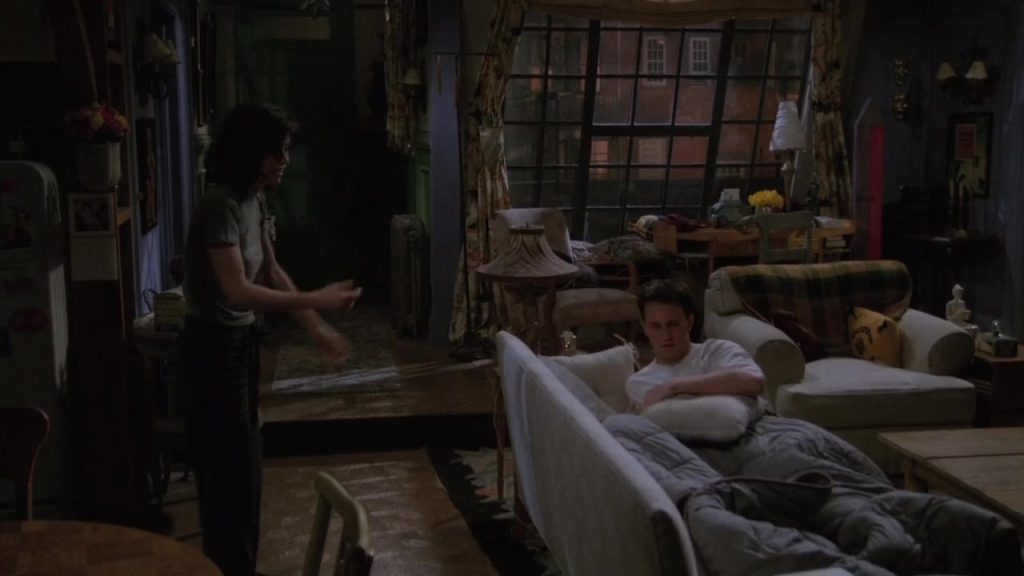
15. Make fun
- Original Movie Context:
- Chandler: “I’m just making fun of you, Eddie.”
- Scene: Chandler tells Eddie that he was only joking about something and not being serious.
- Word Breakdown:
- Definition: Make fun means to tease or joke about someone or something, often in a playful or mocking manner.
- Pronunciation: /meɪk fʌn/
- Example: “Stop making fun of me for wearing these shoes!”
- Contextual Usage:
- “I wasn’t being mean, I was just making fun of his new haircut.”
- This phrase can be lighthearted and used among friends, but can also be hurtful depending on tone and context.
- Learning Insights:
- Tip: If you use this phrase, be sure that the context is playful and not mean-spirited. It’s a common phrase in casual, humorous situations.
Conclusion
By now, you’ve expanded your vocabulary with 15 useful words and phrases from Friends S02E19. Each of these expressions brings a unique nuance to everyday English conversation, helping you sound more like a native speaker. Whether you’re referring to your roomie, describing someone’s jaunty attitude, or even making fun of a friend in a playful way, these words will enrich your language skills and make your learn English journey more fun.
One great way to continue practicing these expressions is by watching TV shows and movies with dual subtitles. Our language learning extension can help you learn and review vocabulary while watching content on Netflix, YouTube, and more. By actively engaging with real-world conversations, you can rapidly improve your speaking and listening skills.
Don’t forget to try out these new words in your conversations. Learning English with Netflix or any language immersion tool is a fun and effective way to boost your skills while enjoying some great entertainment!