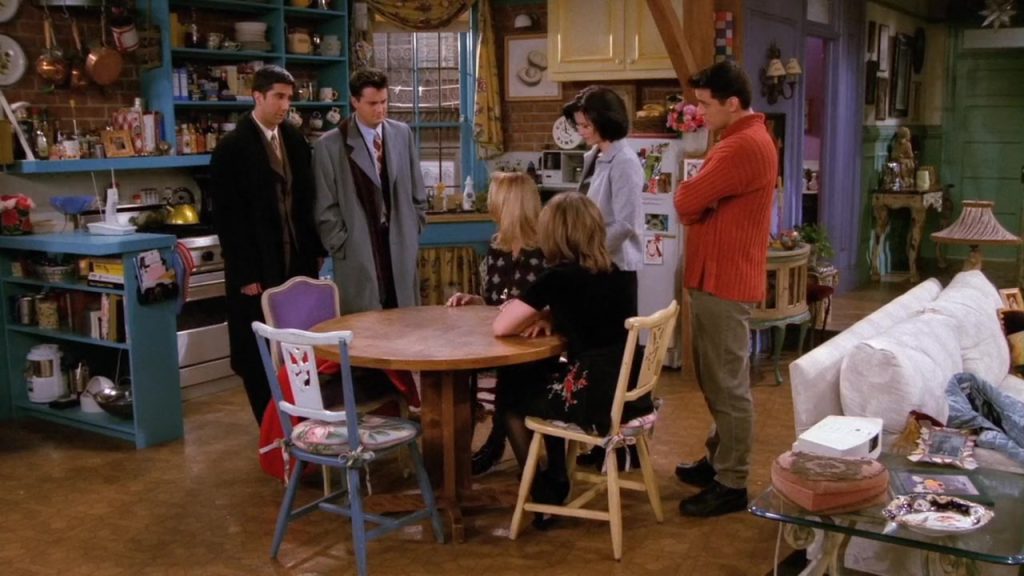
Are you passionate about learning English through your favorite movies? Learn Language Cinema is the perfect approach for you! In this article, we delve into “Friends” Season 2, Episode 11 (Friends S02E11) to uncover 12 essential vocabulary words that will boost your language skills. Whether you’re binge-watching on Netflix or exploring other movie platforms, Learn Language Cinema transforms your viewing experience into an engaging language-learning journey.
Vocabulary to Learn in This Article
- Revel
- Uptight
- Crappy
- Projectile
- Hematoma
- Cleansing
- Move on
- Call off
- Get along
- Revel in
- Bitterest
- Unfinished business
1. Revel
Original Movie Context
- Dialogue: “What would it say about me if I couldn’t revel in your joy?”
- Scene Description: Ross is responding to Carol’s invitation to her wedding, expressing his support while masking his true feelings.
- Emotional Tone: Conflicted yet supportive.
Word Breakdown
- Definition: To take great pleasure or delight in something.
- Part of Speech: Verb
- Pronunciation: /ˈrɛv.əl/
- Etymology: From Old French reveler, meaning to celebrate.
Examples:
- They reveled in the success of their project.
- She loves to revel in her children’s achievements.
Contextual Usage
- Formal: The community reveled in the festival’s success.
- Informal: We reveled all night at the concert!
- Common Collocations: Revel in happiness, revel in success, revel in freedom.
Learning Insights
- Pronunciation Tips: Emphasize the first syllable: REV-el.
- Common Mistakes: Confusing “revel” with “rival.”
- Cultural Nuances: Often used to describe celebrations or intense enjoyment.
2. Uptight
Original Movie Context
- Dialogue: “I can’t believe you’re so uptight about your mom comin’.”
- Scene Description: Joey is teasing Rachel about her anxiety regarding her mother’s visit.
- Emotional Tone: Playful teasing.
Word Breakdown
- Definition: Tense, anxious, or overly concerned.
- Part of Speech: Adjective
- Pronunciation: /ˌʌpˈtaɪt/
- Etymology: Originates from the combination of “up” and “tight,” suggesting tension.
Examples:
- Don’t be so uptight; it’s just a casual meeting.
- He gets uptight before every exam.
Contextual Usage
- Formal: She became uptight during the intense negotiations.
- Informal: Stop being so uptight and relax!
- Common Collocations: Uptight about, feel uptight, get uptight.
Learning Insights
- Pronunciation Tips: Stress the second syllable: up-TIGHT.
- Common Mistakes: Mispronouncing as “up tight.”
- Cultural Nuances: Often used in informal settings to describe someone’s anxiety.
3. Crappy
Original Movie Context
- Dialogue: “I just don’t want her to think that because I didn’t marry Barry, that my life is total crap.”
- Scene Description: Rachel is expressing her insecurities about her mother’s expectations.
- Emotional Tone: Frustrated and vulnerable.
Word Breakdown
- Definition: Informal term meaning bad or of poor quality.
- Part of Speech: Adjective
- Pronunciation: /ˈkræp.i/
- Etymology: Derived from “crap,” meaning worthless or rubbish.
Examples:
- This phone is so crappy; it keeps freezing.
- He had a crappy day at work.
Contextual Usage
- Formal: The service was subpar, not exactly crappy.
- Informal: My car is crappy, but it gets me from A to B.
- Common Collocations: Crappy weather, crappy job, feel crappy.
Learning Insights
- Pronunciation Tips: Soft “a” sound: CRAP-py.
- Common Mistakes: Overusing in formal contexts.
- Cultural Nuances: Considered informal and sometimes vulgar; best used among friends.
4. Projectile
Original Movie Context
- Dialogue: “There was a projectile throwing up incident, but he started it.”
- Scene Description: Ross humorously describing Ben’s vomiting episode.
- Emotional Tone: Light-hearted and humorous.
Word Breakdown
- Definition: An object thrown into the air, especially violently.
- Part of Speech: Adjective (describing the incident)
- Pronunciation: /prəˈdʒɛk.taɪl/
- Etymology: From Latin projectus, meaning thrown forward.
Examples:
- The cannon launched a projectile across the field.
- She narrowly avoided the projectile during the chaos.
Contextual Usage
- Formal: Projectile motion is a key concept in physics.
- Informal: There was a projectile incident at the party.
- Common Collocations: Projectile vomiting, projectile motion, projectile force.
Learning Insights
- Pronunciation Tips: Stress on the second syllable: pro-JEC-tile.
- Common Mistakes: Mispronouncing the first syllable.
- Cultural Nuances: Often used in medical or scientific contexts.

5. Hematoma
Original Movie Context
- Dialogue: “Your sister is suffering from a subcranial hematoma.”
- Scene Description: Joey’s character on TV explaining a medical condition.
- Emotional Tone: Serious and informative.
Word Breakdown
- Definition: A localized collection of blood outside the blood vessels, usually in liquid form within the tissue.
- Part of Speech: Noun
- Pronunciation: /hiːˈmæt̬.ə.mə/
- Etymology: From Greek haima (blood) and Latin -oma (tumor).
Examples:
- He developed a hematoma after the surgery.
- The athlete had a hematoma on his leg.
Contextual Usage
- Formal: The patient was diagnosed with a subcranial hematoma.
- Informal: She has a nasty hematoma from her fall.
- Common Collocations: Subcranial hematoma, develop a hematoma, treat a hematoma.
Learning Insights
- Pronunciation Tips: Emphasize the second syllable: he-MA-to-ma.
- Common Mistakes: Misplacing the stress on the first syllable.
- Cultural Nuances: Primarily used in medical contexts.
6. Cleansing
Original Movie Context
- Dialogue: “I was cleansing her aura when she died.”
- Scene Description: Phoebe explaining her massage therapy session.
- Emotional Tone: Mystical and introspective.
Word Breakdown
- Definition: The process of making something clean or pure.
- Part of Speech: Verb (present participle)
- Pronunciation: /ˈklɛn.zɪŋ/
- Etymology: From Latin clensare, meaning to make clean.
Examples:
- She spends her weekends cleansing her home.
- Meditation helps in cleansing the mind.
Contextual Usage
- Formal: Cleansing the environment is crucial for public health.
- Informal: I need to cleanse my wardrobe this spring.
- Common Collocations: Cleansing ritual, cleanse the body, cleansing process.
Learning Insights
- Pronunciation Tips: Short “e” sound: KLEN-sing.
- Common Mistakes: Confusing with “cleaning.”
- Cultural Nuances: Often associated with spiritual or holistic practices.
7. Move On
Original Movie Context
- Dialogue: “Forget about Rose, move on with your life.”
- Scene Description: A woman advising Phoebe to let go of her late friend.
- Emotional Tone: Supportive yet firm.
Word Breakdown
- Definition: To stop focusing on something negative and start anew.
- Part of Speech: Phrasal verb
- Pronunciation: /muːv ɒn/
- Etymology: Combination of “move” and “on,” indicating progression.
Examples:
- It’s time to move on from the past.
- She decided to move on after the breakup.
Contextual Usage
- Formal: He chose to move on and pursue new opportunities.
- Informal: You need to move on and find someone better.
- Common Collocations: Move on from, need to move on, help someone move on.
Learning Insights
- Pronunciation Tips: Smooth transition between “move” and “on.”
- Common Mistakes: Separating the phrasal verb incorrectly.
- Cultural Nuances: Often used in personal growth and healing contexts.
8. Call Off
Original Movie Context
- Dialogue: “I think Susan’s right. We should call off the wedding.”
- Scene Description: Ross suggesting the cancellation of Carol and Susan’s wedding.
- Emotional Tone: Serious and contemplative.
Word Breakdown
- Definition: To cancel something planned.
- Part of Speech: Phrasal verb
- Pronunciation: /kɔːl ɒf/
- Etymology: Combination of “call” and “off,” indicating cancellation.
Examples:
- They had to call off the meeting due to a scheduling conflict.
- She decided to call off the search for a new job.
Contextual Usage
- Formal: The event was called off due to unforeseen circumstances.
- Informal: Let’s call off the picnic because it’s raining.
- Common Collocations: Call off the search, call off the engagement, call off the fight.
Learning Insights
- Pronunciation Tips: Clear separation between “call” and “off.”
- Common Mistakes: Merging the words into “calloff.”
- Cultural Nuances: Widely used in both personal and professional settings.
9. Get Along
Original Movie Context
- Dialogue: “They didn’t fight a lot. They didn’t even talk to each other. They didn’t get along.”
- Scene Description: Rachel discussing Carol and Susan’s relationship.
- Emotional Tone: Reflective and informative.
Word Breakdown
- Definition: To have a good relationship with someone.
- Part of Speech: Phrasal verb
- Pronunciation: /ɡɛt əˈlɒŋ/
- Etymology: From “get” and “along,” indicating harmonious interaction.
Examples:
- Do you get along with your siblings?
- They get along really well despite their differences.
Contextual Usage
- Formal: The colleagues get along professionally.
- Informal: We get along like best friends.
- Common Collocations: Get along with, get along well, get along famously.
Learning Insights
- Pronunciation Tips: Stress on the second syllable: get a-LONG.
- Common Mistakes: Mispronouncing “along” as “a long.”
- Cultural Nuances: Emphasizes harmony and compatibility in relationships.

10. Revel in
Original Movie Context
- Dialogue: “I couldn’t revel in your joy.”
- Scene Description: Ross masking his true feelings while supporting Carol and Susan.
- Emotional Tone: Supportive yet conflicted.
Word Breakdown
- Definition: To take great pleasure or delight in something.
- Part of Speech: Phrasal verb
- Pronunciation: /ˈrɛv.əl ɪn/
- Etymology: Combination of “revel” and “in,” indicating immersion in joy.
Examples:
- They reveled in the beautiful sunset.
- She loves to revel in her achievements.
Contextual Usage
- Formal: The team reveled in their championship win.
- Informal: We reveled in the party all night long.
- Common Collocations: Revel in happiness, revel in success, revel in freedom.
Learning Insights
- Pronunciation Tips: Smooth transition between “revel” and “in.”
- Common Mistakes: Confusing with “reveal in.”
- Cultural Nuances: Often used to describe intense enjoyment or celebration.
11. Bitterest
Original Movie Context
- Dialogue: “Who’s the bitterest man in the living room?”
- Scene Description: Chandler singing a parody song with a humorous twist.
- Emotional Tone: Playful and sarcastic.
Word Breakdown
- Definition: Most bitter; holding the strongest resentment or anger.
- Part of Speech: Superlative adjective
- Pronunciation: /ˈbɪt.ər.ɪst/
- Etymology: From “bitter,” with the superlative suffix “-est.”
Examples:
- He was the bitterest person after the argument.
- Among all the characters, she was the bitterest.
Contextual Usage
- Formal: He expressed the bitterest sentiments during the debate.
- Informal: She’s the bitterest after losing the game.
- Common Collocations: Bitterest resentment, bitterest feelings, bitterest rival.
Learning Insights
- Pronunciation Tips: Emphasize the first syllable: BIT-ter-est.
- Common Mistakes: Mispronouncing the suffix “-est.”
- Cultural Nuances: Conveys strong negative emotions, often used in intense contexts.
12. Unfinished Business
Original Movie Context
- Dialogue: “She obviously has some kind of unfinished business.”
- Scene Description: Phoebe discussing her client’s lingering spirit.
- Emotional Tone: Mysterious and contemplative.
Word Breakdown
- Definition: Matters that are not yet resolved or completed.
- Part of Speech: Noun phrase
- Pronunciation: /ʌnˈfɪn.ɪʃt ˈbɪz.nəs/
- Etymology: Combination of “unfinished” (not completed) and “business” (affairs or matters).
Examples:
- He returned to resolve his unfinished business.
- There are still some unfinished business from the past.
Contextual Usage
- Formal: The project was halted due to unfinished business.
- Informal: She has some unfinished business she needs to take care of.
- Common Collocations: Unfinished business from the past, address unfinished business, resolve unfinished business.
Learning Insights
- Pronunciation Tips: Clear separation between “unfinished” and “business.”
- Common Mistakes: Blending the words together incorrectly.
- Cultural Nuances: Often used metaphorically to describe lingering issues or unresolved matters.
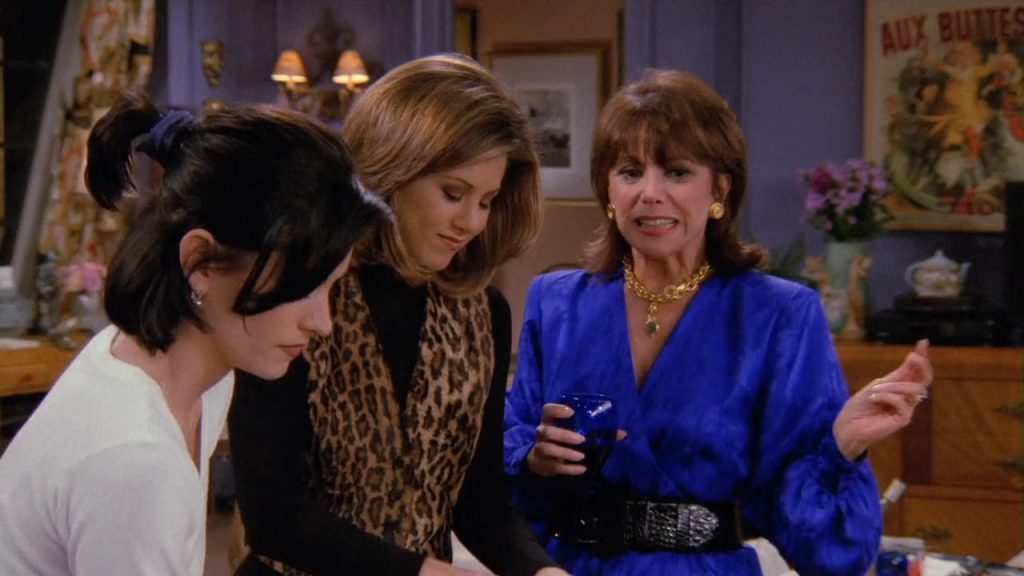
Making Language Learning Fun and Accessible
Learning new vocabulary doesn’t have to be a tedious task. By leveraging the Learn Language Cinema method, you can immerse yourself in real-life contexts and enjoy every step of your language journey. Imagine watching “Friends” and effortlessly picking up words like “revel” or “uptight” as they appear in the dialogue. It’s not only effective but also incredibly fun!
Enhance Your Learning with Our Language Learning Extension
To make your Learn Language Cinema experience even better, check out FunFluen.com. Our innovative language learning extension offers features like:
- Mouse Dictionary: Hover over any word in the subtitles to see instant definitions, making vocabulary acquisition seamless.
- Display Multiple Subtitles: Compare subtitles in different languages side by side to deepen your understanding.
- Save Words: Easily save new vocabulary for future review and study.
- Auto-Pause: Pause after each sentence to ensure full comprehension before moving on.
- Fluency Gym: Our standout feature that transforms passive vocabulary into active language skills through interactive movie dialogues.
Why Choose Our Language Learning Extension?
Our extension is designed for intermediate to advanced English learners who are motivated and tech-savvy. It seamlessly integrates with your movie-watching habits, making language learning an enjoyable part of your daily routine. With tools like Fluency Gym, you can practice reading, listening, and speaking in a dynamic and engaging way.
Check Out Our Related Articles
To further enhance your Learn Language Cinema journey, explore our previous articles:
- Language Learning with Netflix: 15 Essential Vocabulary Words from Friends S01E12
- Boost Your English with Friends S01E19: 12 Essential Vocabulary Words from Film-Based Language Learning
- Mastering Vocabulary with Friends S02E02: Unlock Movie-Based Language Learning
- Mastering English Vocabulary with Friends S02E06: Fun Lessons from Central Perk
Embrace Technology in Language Learning
In today’s digital age, technology plays a pivotal role in transforming traditional language learning methods. Our language learning extension harnesses the power of technology to provide an immersive and interactive experience. By integrating features like machine translation and phonetics for non-English languages, we ensure that learners have all the tools they need to succeed.
Conclusion
Learn Language Cinema with “Friends” Season 2, Episode 11 offers an engaging and effective way to enhance your English vocabulary. By exploring these 12 essential words within their authentic movie contexts, you not only learn new vocabulary but also understand how to use them naturally in conversations. Pair this method with our language learning extension to maximize your learning potential.
Ready to take your language skills to the next level? Visit FunFluen.com today and discover how our tools can make your language learning journey both fun and rewarding. Dive into the world of Learn Language Cinema and watch your English proficiency soar!
Start your adventure with FunFluen.com and turn every movie into a language-learning masterpiece!