Mastering English Vocabulary Through Friends: 12 Words to Boost Your Fluency
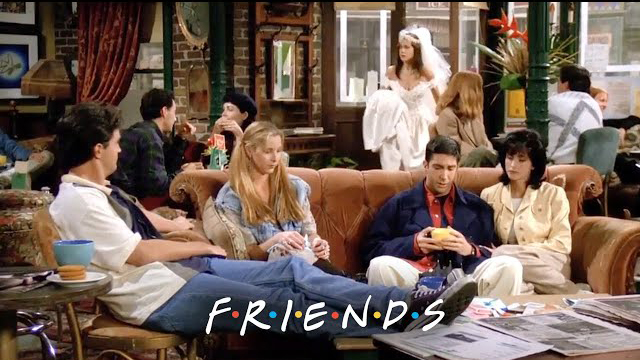
Imagine curling up on your couch with a bowl of popcorn, immersing yourself in the hilarious antics of Friends Season 1 Episode 1, and simultaneously enhancing your English skills. Sounds like a win-win, right? Language learning with Netflix has never been more enjoyable! In this article, we’ll dive into 12 carefully selected vocabulary words extracted from Friends Season 1 Episode 1. Each word comes with its original context, deep definitions, usage tips, and fun examples to make learning both effective and entertaining. Plus, discover how FunFluen.com can seamlessly integrate these words into your learning journey.
1. Fixating On
Original Friends Context
Subtitle: “Why does everyone keep fixating on that?”
Scene Description: Monica expresses frustration over Chandler and Joey’s obsessive focus on her dating life, creating tension in the conversation.
Word Breakdown
Definition: To obsessively focus on something.
Part of Speech: Verb phrase
Pronunciation: /ˈfɪks.eɪ.tɪŋ ɒn/
Etymology: Derived from “fixate,” which comes from the Latin fixus (fixed).
Examples:
She’s fixating on her grades instead of enjoying her childhood.
Don’t fixate on your mistakes; learn from them.
Contextual Usage
Formal: The committee is fixating on minor details rather than the overall strategy.
Informal: Stop fixating on that old shirt and buy something new!
Common Collocations: Fixating on a problem, fixating on details
Learning Insights
Pronunciation Tip: Emphasize the first syllable in “fixating” to maintain the natural rhythm.
Common Mistake: Confusing “fixate” with “fix.” Remember, it’s about intense focus, not repairing.
Cultural Nuance: In Western cultures, being fixated can sometimes be seen as a lack of flexibility or openness.
Memorization Trick: Imagine someone literally trying to fixate a camera lens on one spot, never adjusting its focus. This visual can help you remember the intense, unchanging focus implied by “fixating on.”
2. Take Credit For
Original Friends Context
Subtitle: “I take credit for Paul.”
Scene Description: Ross jokingly claims he’s responsible for Chandler’s charismatic behavior, leading to humorous misunderstandings.
Word Breakdown
Definition: To claim responsibility for something, often without deserving it.
Part of Speech: Verb phrase
Pronunciation: /teɪk ˈkrɛd.ɪt fɔːr/
Etymology: “Credit” comes from the Latin creditum, meaning “a loan” or “belief.”
Examples:
He took credit for the project even though he did little work.
Don’t take credit for something you didn’t do.
Contextual Usage
Formal: She took credit for the team’s success during the meeting.
Informal: Don’t take credit for my idea—it was all me!
Common Collocations: Take credit for achievements, take credit for actions
Learning Insights
Pronunciation Tip: Ensure clear enunciation of “credit” to distinguish it from similar-sounding words.
Common Mistake: Using “for” incorrectly, such as “take credit on” instead of “take credit for.”
Cultural Nuance: Taking credit is often frowned upon in collaborative environments; humility is valued.
Memorization Trick: Think of “credit” as a “receipt” for something you did. If you have the receipt, you can take credit for it!
3. Drifted Apart
Original Friends Context
Subtitle: “You and I have drifted apart.”
Scene Description: Rachel confides in Monica that her relationship with Barry feels distant, evoking a sense of loss and confusion.
Word Breakdown
Definition: To gradually lose closeness or connection with someone.
Part of Speech: Verb phrase
Pronunciation: /drɪftɪd əˈpɑːrt/
Etymology: “Drift” originates from Old English drifan, meaning “to drive” or “to push.”
Examples:
After moving to different cities, they drifted apart.
We used to talk every day, but now we’ve drifted apart.
Contextual Usage
Formal: Over the years, the two colleagues drifted apart professionally.
Informal: We used to hang out all the time, but we’ve drifted apart now.
Common Collocations: Drifted apart from friends, drifted apart over time
Learning Insights
Pronunciation Tip: Blend the “drift” and “apart” smoothly to maintain the natural flow.
Common Mistake: Mispronouncing “drifted” by adding an extra syllable.
Cultural Nuance: Relationships drifting apart is a common theme in many cultures, reflecting changes in life circumstances.
Memorization Trick: Picture two boats drifting away from each other on a calm sea, slowly losing sight of one another.
4. Leave Alone
Original Friends Context
Subtitle: “Just leave my aura alone, okay?”
Scene Description: Phoebe requests Monica not to meddle with her quirky and spiritual practices, showcasing her unique personality.
Word Breakdown
Definition: To not interfere with someone or something.
Part of Speech: Verb phrase
Pronunciation: /liːv əˈloʊn/
Etymology: “Leave” comes from Old English læfan, meaning “to allow,” and “alone” from Latin ā solus, meaning “by oneself.”
Examples:
Please leave me alone while I work.
He left the child alone in the room.
Contextual Usage
Formal: The manager asked the employees to leave the project alone until further notice.
Informal: Leave me alone! I’m trying to concentrate.
Common Collocations: Leave someone alone, leave a situation alone
Learning Insights
Pronunciation Tip: Stress the second syllable in “alone” to differentiate it from similar phrases.
Common Mistake: Misusing “leave” as “let” in this context.
Cultural Nuance: In many cultures, respecting someone’s wish to be left alone is seen as a sign of politeness and understanding.
Memorization Trick: Imagine someone literally trying to leave a person’s “aura” untouched, reinforcing the idea of non-interference.
5. Turned On By
Original Friends Context
Subtitle: “I was more turned on by this gravy boat than by Barry.”
Scene Description: Ross humorously admits that he finds an elegant gravy boat more appealing than his ex-fiancé Barry, highlighting his awkwardness in relationships.
Word Breakdown
Definition: To be sexually excited or attracted to something or someone.
Part of Speech: Verb phrase
Pronunciation: /tɜːrnd ɒn baɪ/
Etymology: “Turn on” as a phrasal verb meaning “to excite” originated in the early 20th century.
Examples:
She was turned on by his confidence.
Are you turned on by this new song?
Contextual Usage
Formal: The presentation was turned on by the speaker’s enthusiasm.
Informal: He gets turned on by spicy food.
Common Collocations: Turned on by someone, turned on by something
Learning Insights
Pronunciation Tip: Ensure clarity in the contraction “turned on” to avoid miscommunication.
Common Mistake: Confusing “turned on” with “turned off,” which has the opposite meaning.
Cultural Nuance: Expressions related to attraction can vary in appropriateness depending on the social context.
Memorization Trick: Picture someone’s emotions “turning on” a switch when they find something or someone attractive.
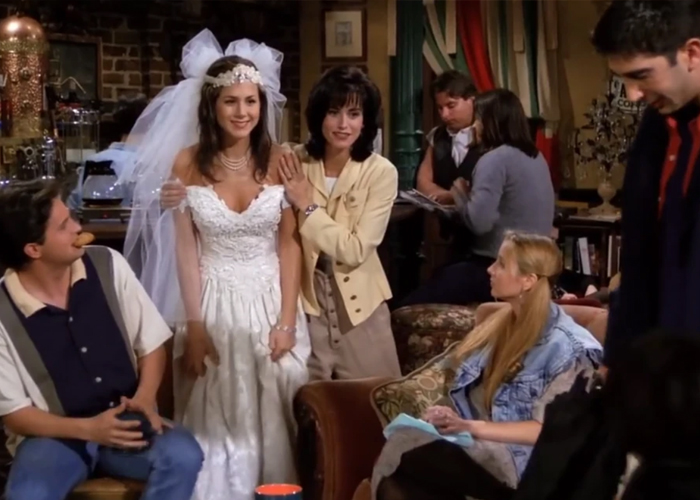
6. Gravy Boat
Original Friends Context
Subtitle: “This really gorgeous Limoges gravy boat.”
Scene Description: Monica admires an elegant gravy boat at her apartment, reflecting her attention to detail and love for hosting.
Word Breakdown
Definition: A vessel used for serving gravy, often part of fine dining settings.
Part of Speech: Noun phrase
Pronunciation: /ˈɡreɪvi boʊt/
Etymology: “Gravy” from Old French grave, meaning “juice” and “boat” from Old English bāt, meaning “a vessel.”
Examples:
She collected antique gravy boats from around the world.
The restaurant featured a stunning silver gravy boat on each table.
Contextual Usage
Formal: The hostess placed a delicate gravy boat beside each place setting.
Informal: Can you pass me the gravy boat, please?
Common Collocations: Elegant gravy boat, antique gravy boat
Learning Insights
Pronunciation Tip: Clearly articulate both words to ensure the phrase is understood correctly.
Common Mistake: Mispronouncing “gravy” as “gray-vee.”
Cultural Nuance: In many Western cultures, the gravy boat is a staple in traditional meals, especially in fine dining.
Memorization Trick: Visualize a beautiful, ornate boat filled with delicious gravy, floating gracefully on your dinner table.
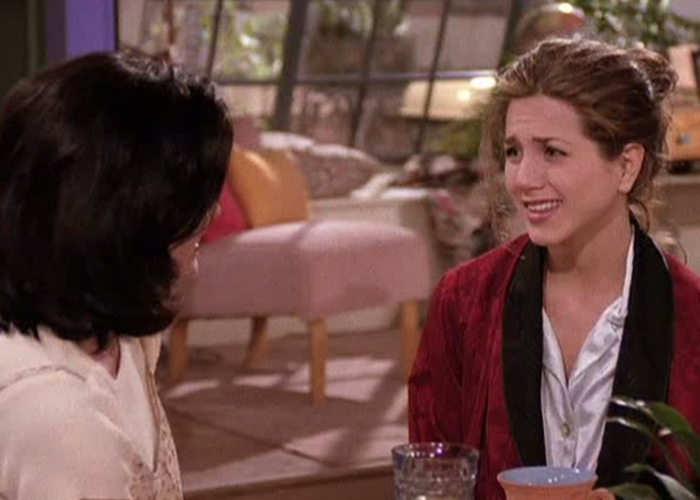
7. Limoges
Original Friends Context
Subtitle: “This really gorgeous Limoges gravy boat.”
Scene Description: Monica highlights the high-quality craftsmanship of the gravy boat, emphasizing its origin from Limoges, France.
Word Breakdown
Definition: Refers to fine porcelain originating from Limoges, France.
Part of Speech: Proper noun
Pronunciation: /lɪˈmɔːʒ/
Etymology: Named after the city of Limoges in France, renowned for its porcelain production since the 18th century.
Examples:
He served tea in his favorite Limoges set.
The museum displayed a collection of Limoges porcelain.
Contextual Usage
Formal: The exhibit featured an extensive range of Limoges porcelain.
Informal: My grandma has a beautiful Limoges plate collection.
Common Collocations: Limoges porcelain, Limoges china
Learning Insights
Pronunciation Tip: Stress the second syllable: li-MOHJ.
Common Mistake: Mispronouncing it as “lime-oz” instead of “lim-ohzh.”
Cultural Nuance: Limoges porcelain is often associated with luxury and elegance, making it a prized possession in many households.
Memorization Trick: Imagine Limoges porcelain as the “French Ferrari” of tableware—sleek, stylish, and highly sought after.
8. Sweet ‘N Low
Original Friends Context
Subtitle: “Sweet ‘N Low?”
Scene Description: Rachel refers to the artificial sweetener while chatting with Monica, adding realism and cultural context to their conversation about coffee preferences.
Word Breakdown
Definition: A brand of artificial sweetener.
Part of Speech: Proper noun
Pronunciation: /swit ən loʊ/
Etymology: The name combines “sweet” with “low,” implying low calories.
Examples:
She always sweetened her coffee with Sweet ‘N Low.
Do you prefer sugar or Sweet ‘N Low in your tea?
Contextual Usage
Formal: The café offers both sugar and Sweet ‘N Low as sweetening options.
Informal: I forgot to buy Sweet ‘N Low, so I used honey instead.
Common Collocations: Sweet ‘N Low packets, Sweet ‘N Low taste
Learning Insights
Pronunciation Tip: Ensure the apostrophe in “Sweet ‘N Low” is pronounced as “and.”
Common Mistake: Pronouncing it as “Sweet and Low” instead of “Swit-en-LOH.”
Cultural Nuance: Sweet ‘N Low is a familiar brand in many English-speaking countries, often used as a default sweetener in households.
Memorization Trick: Think of “Sweet ‘N Low” as a quick way to say “sweet and low-calorie,” linking the name to its purpose.
9. Mr. Potato Head
Original Friends Context
Subtitle: “How much Barry looks like Mr. Potato Head.”
Scene Description: Ross humorously compares his ex-fiancé Barry to the classic toy Mr. Potato Head, highlighting Barry’s quirky or unusual appearance.
Word Breakdown
Definition: A reference to the classic children’s toy, often used metaphorically.
Part of Speech: Proper noun
Pronunciation: /ˌmɪstər pəˈteɪtoʊ hɛd/
Etymology: Introduced by Hasbro in 1952, named for its interchangeable parts resembling a potato.
Examples:
After the makeover, he looked like Mr. Potato Head.
She assembled the toy Mr. Potato Head with great enthusiasm.
Contextual Usage
Formal: The character was designed to resemble Mr. Potato Head for comedic effect.
Informal: You’re looking like Mr. Potato Head with all those different hats!
Common Collocations: Look like Mr. Potato Head, Mr. Potato Head toy
Learning Insights
Pronunciation Tip: Emphasize “Potato” as /pəˈteɪtoʊ/ and “Head” clearly.
Common Mistake: Mispronouncing “Potato” as /pəˈtɑːtoʊ/.
Cultural Nuance: Mr. Potato Head is a beloved toy across generations, making it a relatable reference in conversations.
Memorization Trick: Visualize the toy Mr. Potato Head with its interchangeable parts to remember the playful and adaptable nature of the phrase.
10. Welcome to the Real World
Original Friends Context
Subtitle: “Welcome to the real world! It sucks. You’re gonna love it.”
Scene Description: Chandler jokingly welcomes Ross back to the group after his divorce, highlighting the challenges of adult life with humor.
Word Breakdown
Definition: A phrase used to signify entering adulthood or facing real-life challenges.
Part of Speech: Interjection phrase
Pronunciation: /ˈwɛlkəm tuː ðə rɪəl wɜːrld/
Etymology: Popularized by various media, including Mean Girls (2004), though the sentiment has been expressed in various forms throughout history.
Examples:
After graduating college, her parents told her, “Welcome to the real world!”
He moved out for the first time and heard, “Welcome to the real world.”
Contextual Usage
Formal: The mentorship program aims to prepare students for the real world.
Informal: Now that you have a job, welcome to the real world!
Common Collocations: Enter the real world, face the real world
Learning Insights
Pronunciation Tip: Ensure smooth flow between words to convey the phrase naturally.
Common Mistake: Misplacing stress, such as stressing “world” too heavily.
Cultural Nuance: The phrase often carries a mix of encouragement and humor, highlighting the bittersweet nature of growing up.
Memorization Trick: Picture a dramatic scene where someone steps out of a fantasy world into a bustling, chaotic real world, emphasizing the contrast.
11. Turned Into
Original Friends Context
Subtitle: “This is not even a date. It’s just two people going out to dinner and not having sex.”
Scene Description: Ross explains to the group that his dinner with Rachel isn’t a traditional date, subtly hinting at his emotional state post-divorce.
Word Breakdown
Definition: To change in form, nature, or character.
Part of Speech: Verb phrase
Pronunciation: /tɜːrnd ˈɪntuː/
Etymology: “Turn” comes from Old English tyrnan, meaning “to cause to change direction.”
Examples:
The caterpillar turned into a butterfly.
Her hobby turned into a successful business.
Contextual Usage
Formal: The small startup turned into a multinational corporation within a decade.
Informal: Our friendship turned into something more romantic.
Common Collocations: Turned into a disaster, turned into a business
Learning Insights
Pronunciation Tip: Ensure the “turned” is clearly enunciated to avoid confusion with “torn.”
Common Mistake: Mixing up “turned into” with similar phrases like “turned up” or “turned out.”
Cultural Nuance: Transformation is a universal concept, often used metaphorically to describe personal growth or unexpected changes.
Memorization Trick: Imagine something physically turning into something else, like ice melting into water, to grasp the concept of transformation.
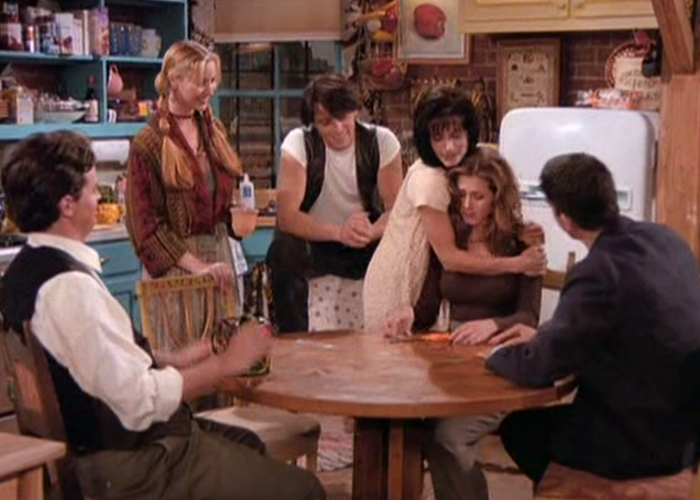
12. Take Control
Original Friends Context
Subtitle: “Taking control of your life.”
Scene Description: Chandler encourages Ross to move forward and take charge of his emotional well-being after his divorce, inspiring others in the group.
Word Breakdown
Definition: To assume authority or power over something.
Part of Speech: Verb phrase
Pronunciation: /teɪk kənˈtroʊl/
Etymology: “Control” comes from the Latin contrarotulare, meaning “to keep a counter-rolled register.”
Examples:
She decided to take control of her career by starting her own business.
It’s time to take control of your finances.
Contextual Usage
Formal: The new manager aims to take control of the department’s workflow.
Informal: You need to take control and stop letting others make decisions for you.
Common Collocations: Take control of a situation, take control of your life
Learning Insights
Pronunciation Tip: Clearly articulate both syllables in “control” to avoid confusion with similar words.
Common Mistake: Confusing “take control” with “take over” which can have slightly different connotations.
Cultural Nuance: Taking control is often associated with empowerment and leadership in Western cultures.
Memorization Trick: Imagine holding the steering wheel of a car, symbolizing taking control of your own direction.
Making Vocabulary Learning Fun and Accessible
Learning English doesn’t have to be a chore. By integrating these vocabulary words into your Friends movie-watching routine, you can absorb new terms naturally and contextually. FunFluen.com takes this a step further with features like Fluency Gym, which allows you to save words, create personalized flashcards, and access a mouse dictionary that offers instant definitions as you watch. Imagine enjoying the humorous banter between Ross and Rachel while effortlessly enhancing your vocabulary without interrupting the flow of the episode!
Storytelling for Memorability
Imagine you’re watching a heartfelt scene where Chandler tells Ross, “Welcome to the real world! It sucks. You’re gonna love it.” The emotional tone and humor help you remember the phrase “welcome to the real world,” making it easier to recall in your own conversations. Or, in a comedic moment, Ross admits he was more turned on by a gravy boat than by Barry, making the phrase both humorous and memorable.
Light Humor and Relatable Explanations
Humor is a powerful tool in language learning. By associating new words with funny or relatable Friends moments, you’re more likely to remember them. Think about the absurdity of someone wanting a Limoges gravy boat or the frustration of being told to leave someone’s aura alone—these vivid images stick in your mind, reinforcing your understanding.
Emotional Connection
Friends is rich with emotions, from joy to sadness, humor to tension. By connecting vocabulary words to these emotions, you create a deeper understanding and retention. Whether it’s the frustration of Monica fixating on a problem or the empowerment of Chandler encouraging Ross to take control of his life, these emotional anchors make the words come alive.
Unlock Your English Potential with FunFluen.com
Ready to transform your Friends movie-watching into a dynamic language learning experience? FunFluen.com offers a suite of tools designed to make learning English through movies effortless and enjoyable. With features like:
Fluency Gym: Personalized flashcards and spaced repetition to reinforce your vocabulary.
Mouse Dictionary: Instantly access definitions and examples without pausing your episode.
Word Saving: Bookmark new words and review them anytime to ensure they stick.
Join the community of motivated, tech-savvy learners who are making significant strides in their English proficiency while enjoying their favorite shows. FunFluen.com seamlessly integrates into your learning journey, making every Friends marathon a step towards fluency.
Conclusion
Enhancing your English skills through Friends is not only effective but also incredibly fun. By focusing on context-rich vocabulary from the show’s subtitles, you can learn words naturally and retain them longer. Incorporate these 12 vocabulary words into your next Friends episode session and watch your fluency soar. And remember, with tools like FunFluen.com, your language learning adventure is just getting started. Dive into the world of movie vocabulary learning and unlock a new level of English proficiency today!
Ready to Elevate Your English?
Start your journey with FunFluen.com and discover how our innovative features can make language learning with Netflix a breeze. Embrace the fun, engage with interactive tools, and watch your English skills flourish!