
The thrilling world of Squid Game is back, and fans couldn’t be more excited. Season 2 of the South Korean phenomenon has stirred curiosity, sparked debates, and brought with it a slew of reviews and secrets to uncover. Squid Game Season 2 Review. If you’ve been wondering what this season has in store, what inspired the series, or why those iconic masks hold such significance, you’re in the right place.
In this article, we’ll take a deep dive into a comprehensive Squid Game Season 2 review, uncover the origins of the show, and discuss the secrets behind the masks. We’ll also give you a glimpse of what to expect in Season 3. So, sit tight as we uncover all the answers to your burning questions.
Squid Game Season 2 Review: A Rollercoaster of Emotions
Season 2 premiered on December 26, 2024, with seven episodes packed with suspense, drama, and high-stakes challenges. While the first season shocked the world with its unique premise, Squid Game Season 2 took a more character-driven approach. This season’s highlights include Seong Gi-hun’s continued journey, the introduction of new games, and deeper explorations of moral dilemmas.
What Critics Think
Critics have offered a range of opinions on the new season. Some praised its deeper narrative, while others found it less groundbreaking than the first. Laura Martin of BBC gave it four out of five stars, calling it “riveting yet not as shocking.” Rebecca Nicholson from The Guardian described it as a “mixed bag,” highlighting slower pacing but applauding character depth.
On the other hand, Kelly Lawler of USA Today wasn’t as impressed, saying the plot felt “outlandish” and giving it a two-out-of-four-star review. Despite this, most fans seem eager to continue the journey.
Fan Favorites and Controversies
The addition of Hyun-ju, a transgender ex-soldier portrayed by Park Sung-hoon, brought fresh dynamics. This character’s development earned applause, but casting a cisgender actor for the role sparked debates about representation. Similarly, Thanos, played by Choi Seung-hyun (T.O.P), polarized audiences with his dramatic portrayal.
Transitioning between episodes, the plot kept fans guessing, even if some twists felt predictable. For example, the “Halloween Party” episode gave a haunting glimpse into wealth disparity, while “001” brought back nostalgia from Season 1.
Games That Kept Us on Edge
Season 2 introduced new games that were both thrilling and nerve-wracking. One standout was the “O X” game, where contestants had to make split-second decisions. This game combined physical agility with psychological tension, leaving viewers on the edge of their seats. Another memorable game was “Six Legs,” which required teamwork but also sowed seeds of betrayal among contestants. These games not only added to the excitement but also revealed deeper layers of each character’s personality.
What Is Squid Game Based On?
If you’ve ever wondered, “What is Squid Game based on?” you’re not alone. The series creator, Hwang Dong-hyuk, drew inspiration from his own life and South Korea’s socioeconomic struggles. Having witnessed the devastating 2009 SsangYong Motor labor strike, Hwang used this as a foundation to highlight economic disparities.
The children’s games featured in the series are not random. They are inspired by traditional Korean games Hwang played during his childhood in the 1970s and 80s. The titular “Squid Game” itself was a popular game among kids back then, played on sandy playgrounds.
While some online rumors suggest Squid Game is based on true events, this is false. However, its gripping realism stems from its connection to real-world issues like debt, inequality, and survival under capitalism.
Real-Life Parallels
The themes of debt and desperation in Squid Game resonate with global audiences because they reflect struggles many people face. For instance, Seong Gi-hun’s character is burdened by debt and the responsibility of caring for his family, a storyline that mirrors the experiences of millions worldwide. By blending personal stories with broader societal issues, Hwang Dong-hyuk created a show that feels both intimate and universal.
The Secrets Behind Squid Game Masks
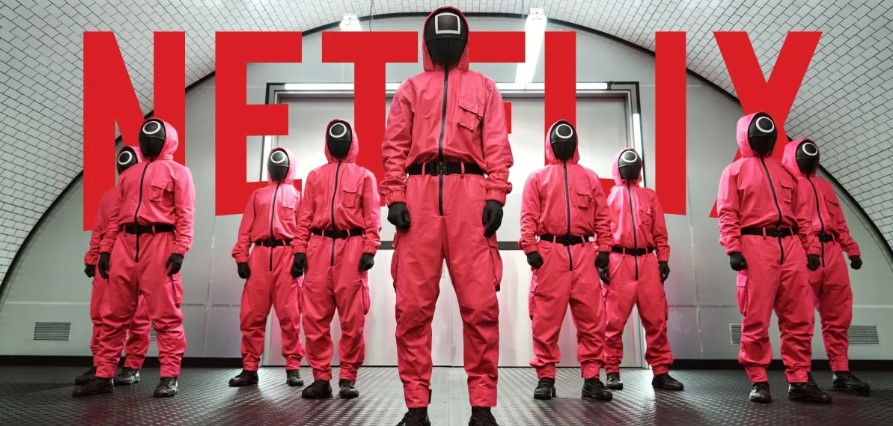
One of the most iconic elements of the show is the masks. These aren’t just props; they carry significant meaning and symbolism. Squid Game masks are designed to maintain anonymity and enforce hierarchy among the game’s staff.
What Do the Shapes Mean?
- Circle (O): Worn by workers who perform basic tasks like cleaning and food distribution. They’re at the lowest rank and cannot speak unless spoken to.
- Triangle (△): These masks signify soldiers tasked with enforcing rules and maintaining order. They’re often seen carrying weapons.
- Square (□): Squares represent managers who oversee workers and soldiers. They’re responsible for organizing games and reporting to the Front Man.
The masks’ shapes connect to the Korean alphabet. A circle resembles the letter “O” (오), a triangle represents part of “J” (자), and a square corresponds to “M” (마). Together, they spell “OJM,” the initials for “Ojingeo Geim,” Korean for “Squid Game.”
Front Man and VIP Masks
Higher-ranking individuals wear distinctive masks to emphasize their authority. The Front Man’s mask features a geometric design, while the VIPs’ animal-themed masks reflect their wealth and detachment. These designs subtly critique societal power structures and the dehumanization of wealth-driven individuals.
Behind the Design
The design process for the masks involved meticulous planning. The production team wanted the masks to be unsettling yet functional. The geometric shapes not only look striking but also reinforce the rigid hierarchy within the games. By using simple yet bold designs, the masks have become a cultural symbol, inspiring fan art, merchandise, and Halloween costumes worldwide.

What to Expect in Season 3
As fans digest Season 2, speculation about Season 3 is already brewing. Scheduled for release in 2025, the third and final season promises to tie up loose ends.
Theories and Predictions
Many fans believe Season 3 will delve deeper into the origins of the games. Who funds them? What motivates the VIPs? These are questions that Season 3 is expected to answer. Seong Gi-hun’s quest for justice will likely take center stage, and we may see him recruit allies to dismantle the organization.
There’s also speculation about the return of certain characters. Could Kang Sae-byeok’s family play a role? Will we see flashbacks of past winners? The possibilities are endless, and the anticipation is palpable.
New Games
Fans are eager to see what new games Season 3 will introduce. Given the show’s knack for turning innocent childhood games into deadly challenges, viewers can expect more heart-pounding moments. Whether it’s a global twist on classic games or entirely new creations, the stakes are sure to be higher than ever.
Why Squid Game Season 2 Matters
Although it’s received mixed reviews, Squid Game Season 2 delves into complex themes that resonate deeply with audiences worldwide. Its focus on moral dilemmas, the cost of survival, and societal inequalities keeps viewers hooked. The masks, games, and characters all add layers to its narrative, making it much more than just a survival thriller.
Transitioning from the groundbreaking first season, this sequel builds on its predecessor while setting the stage for an epic conclusion in Season 3.
A Global Phenomenon
Squid Game isn’t just a show; it’s a cultural phenomenon. From Halloween costumes to social media trends, the series has left an indelible mark on popular culture. Season 2 continues this legacy, sparking conversations about wealth, power, and humanity. Its impact goes beyond entertainment, prompting viewers to reflect on the world around them.
Ready to Take Your English to the Next Level?
If you’ve enjoyed dissecting Squid Game while picking up new words and cultural insights, imagine learning English in a fun, immersive way. FunFluen helps you practice vocabulary, grammar, listening, and even speaking by watching your favorite shows. With features like dual subtitles, speaking exercises, and personalized flashcards, FunFluen makes learning a new language as thrilling as watching Squid Game. Start your journey today and speak like a native with just 10 minutes a day!