
Are you eager to watch and learn languages simultaneously? Look no further! In this article, we’ll explore 12 essential vocabulary words extracted directly from Rival S01E03, blending entertainment with education seamlessly. Whether you’re a fan of language learning with Netflix or prefer using movies as a movie for language study, these words will elevate your English skills to the next level. Plus, discover how our innovative language learning extension can transform your movie-watching experience into a dynamic learning journey, making it easier than ever to watch and learn languages effectively!
Vocabulary to Learn in This Article
- Colossal
- Ambitious
- Astute
- Cavalry
- Scoundrel
- Posh
- OD’d
- Blot out
- Rock the boat
- Preachy
- Dim-witted
- Insightful
Let’s dive into each word, exploring their meanings, usage, and how they appear in the movie.
1. Colossal
Original Movie Context
- Subtitle: “So sorry for being such a colossal shit.”
- Scene Description: Nathalie apologizes to Santa in a humorous yet remorseful tone after a series of misadventures.
- Emotional Tone: Humorous and self-deprecating.
Word Breakdown
- Definition: Extremely large or great in size, extent, or degree.
- Part of Speech: Adjective
- Pronunciation: /kəˈlɒs.əl/
- Etymology: Derived from the Latin word colossus, meaning “gigantic statue.”
Examples:
- The elephant at the circus was truly colossal.
- They faced a colossal challenge in building the new bridge.
Contextual Usage
- Example Sentences:
- “The project turned out to be a colossal success.”
- “She made a colossal mistake by forgetting the meeting.”
- Formal Usage: “The discovery was a colossal advancement in medical science.”
- Informal Usage: “That burger is colossal!”
- Common Collocations: Colossal failure, colossal effort, colossal mistake.
Learning Insights
- Pronunciation Tips: Emphasize the second syllable: kə-LOS-əl.
- Common Mistakes: Avoid confusing with “collosal,” which is incorrect.
- Cultural Nuances: Often used to exaggerate the size or importance of something.
- Memorization Tricks: Think of the “Colossus” statue—an image of something gigantic.
2. Ambitious
Original Movie Context
- Subtitle: “Holy shit. The kid’s ambitious.”
- Scene Description: A character comments admiringly about Patrick’s drive and goals.
- Emotional Tone: Impressed and supportive.
Word Breakdown
- Definition: Having a strong desire for success or achievement.
- Part of Speech: Adjective
- Pronunciation: /æmˈbɪʃ.əs/
- Etymology: From Latin ambitio, meaning “a going around, soliciting votes.”
Examples:
- She is very ambitious and aims to be the CEO one day.
- Their ambitious plans require significant investment.
Contextual Usage
- Example Sentences:
- “He’s ambitious about advancing his career.”
- “Their ambitious project pushed the boundaries of technology.”
- Formal Usage: “The organization has ambitious goals for the next decade.”
- Informal Usage: “She’s super ambitious about her new business.”
- Common Collocations: Ambitious plans, ambitious goals, ambitious individual.
Learning Insights
- Pronunciation Tips: Stress the second syllable: am-BI-shus.
- Common Mistakes: Don’t confuse with “ambitiousness,” which is less commonly used.
- Cultural Nuances: Viewed positively as a trait for success, though sometimes seen as overly driven.
- Memorization Tricks: Link “ambitious” with “ambition” to remember its meaning.
3. Astute
Original Movie Context
- Subtitle: “I’m more astute than your average bear.”
- Scene Description: A character boasts about their sharpness and intelligence in a playful manner.
- Emotional Tone: Confident and slightly boastful.
Word Breakdown
- Definition: Having or showing an ability to accurately assess situations or people and turn this to one’s advantage.
- Part of Speech: Adjective
- Pronunciation: /əˈstjuːt/
- Etymology: From Latin astutus, meaning “cunning, crafty.”
Examples:
- Her astute observations impressed the board.
- The astute investor made a profitable decision.
Contextual Usage
- Example Sentences:
- “He is an astute businessman.”
- “Her astute comments added depth to the discussion.”
- Formal Usage: “The committee valued his astute analysis of the data.”
- Informal Usage: “That was an astute move on your part.”
- Common Collocations: Astute decision, astute observer, astute analysis.
Learning Insights
- Pronunciation Tips: Sounds like “a-stute,” with a clear “u.”
- Common Mistakes: Don’t confuse with “acute,” which has a different meaning.
- Cultural Nuances: Often used to praise someone’s intelligence and judgment.
- Memorization Tricks: Associate “astute” with “astrology” for remembering it relates to insight.
4. Cavalry
Original Movie Context
- Subtitle: “The cavalry’s here.”
- Scene Description: Announcing the arrival of backup during a chaotic event.
- Emotional Tone: Relief and excitement.
Word Breakdown
- Definition: Soldiers who fought mounted on horseback.
- Part of Speech: Noun
- Pronunciation: /ˈkæv.əl.ri/
- Etymology: From Old French chevalerie, from cheval meaning “horse.”
Examples:
- The cavalry charged into battle.
- They awaited the cavalry to support their position.
Contextual Usage
- Example Sentences:
- “The cavalry arrived just in time.”
- “Modern cavalry units use armored vehicles instead of horses.”
- Formal Usage: “The historical reenactment featured a cavalry unit.”
- Informal Usage: “When things got rough, the cavalry showed up.”
- Common Collocations: Heavy cavalry, mounted cavalry, cavalry charge.
Learning Insights
- Pronunciation Tips: Emphasize the first syllable: CAV-alry.
- Common Mistakes: Avoid saying “cavarly” or misplacing the stress.
- Cultural Nuances: Often used metaphorically to describe timely assistance.
- Memorization Tricks: Think of “cavalry” as “cavalry horse” to remember its connection to horses.
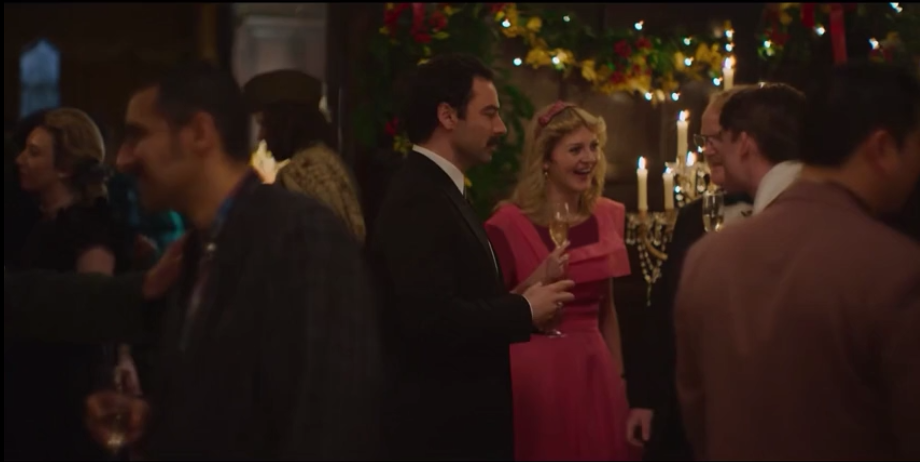
5. Scoundrel
Original Movie Context
- Subtitle: “terrible scoundrel.”
- Scene Description: A character insults another’s moral character in a heated argument.
- Emotional Tone: Angry and condemning.
Word Breakdown
- Definition: A dishonest or unscrupulous person; a rogue.
- Part of Speech: Noun
- Pronunciation: /ˈskaʊn.drəl/
- Etymology: From Old French escundril, from escundre meaning “to hide.”
Examples:
- The scoundrel stole her purse in the crowded market.
- He’s a lovable scoundrel despite his flaws.
Contextual Usage
- Example Sentences:
- “Don’t be such a scoundrel!”
- “She caught the scoundrel red-handed.”
- Formal Usage: “The novel features a charming yet deceitful scoundrel.”
- Informal Usage: “You little scoundrel, sneaking cookies!”
- Common Collocations: Dirty scoundrel, lovable scoundrel, notorious scoundrel.
Learning Insights
- Pronunciation Tips: Stress the first syllable: SCAUND-rel.
- Common Mistakes: Don’t confuse with “sculpture” or similar-sounding words.
- Cultural Nuances: Can be used both seriously and playfully, depending on context.
- Memorization Tricks: Link “scoundrel” with “scam,” both relating to dishonesty.
6. Posh
Original Movie Context
- Subtitle: “What a load of posh cunts.”
- Scene Description: A character expresses disdain for wealthy or upper-class individuals.
- Emotional Tone: Frustrated and dismissive.
Word Breakdown
- Definition: Elegant, stylish, or luxurious; typically associated with the upper class.
- Part of Speech: Adjective
- Pronunciation: /pɒʃ/
- Etymology: Originally British slang, possibly from “Port Out, Starboard Home,” referring to preferred cabins on ships traveling to and from Britain.
Examples:
- She always dresses in such posh outfits.
- They stayed at a posh hotel during their vacation.
Contextual Usage
- Example Sentences:
- “He speaks with a posh accent.”
- “They threw a posh party for their anniversary.”
- Formal Usage: “The gala was held in a posh ballroom.”
- Informal Usage: “That’s a posh car you have there!”
- Common Collocations: Posh attire, posh lifestyle, posh venue.
Learning Insights
- Pronunciation Tips: Rhymes with “gosh.”
- Common Mistakes: Avoid adding “-y” (i.e., “poshy” is incorrect).
- Cultural Nuances: In British English, “posh” often implies refined taste and wealth.
- Memorization Tricks: Think of “posh” as synonymous with “premium” or “luxury.”
7. OD’d
Original Movie Context
- Subtitle: “Maybe one of the London bohos have OD’d.”
- Scene Description: A character speculates about someone overdosing on drugs at a party.
- Emotional Tone: Concerned and worried.
Word Breakdown
- Definition: Slang for “overdosed,” typically referring to taking an excessive amount of drugs.
- Part of Speech: Verb (past participle)
- Pronunciation: /oʊ ˈdiː/
- Etymology: Shortened form of “overdosed.”
Examples:
- She OD’d on prescription pills and was rushed to the hospital.
- The news reported that a teenager OD’d at the party.
Contextual Usage
- Example Sentences:
- “He OD’d after taking too many painkillers.”
- “There were rumors that someone OD’d last night.”
- Formal Usage: “The patient had OD’d on narcotics and required immediate care.”
- Informal Usage: “Dude, you almost OD’d on caffeine!”
- Common Collocations: OD on drugs, OD’ing, overdose.
Learning Insights
- Pronunciation Tips: Say each letter separately: “O-D.”
- Common Mistakes: Don’t confuse with “odd,” which means strange.
- Cultural Nuances: Considered informal and often used in casual conversations.
- Memorization Tricks: Link “OD’d” with “overdose” for easy recall.
8. Blot out
Original Movie Context
- Subtitle: “I’m gonna blot out all of the bad memories.”
- Scene Description: A character expresses a desire to forget negative experiences.
- Emotional Tone: Sad and determined.
Word Breakdown
- Definition: To eliminate or erase something from memory or existence.
- Part of Speech: Phrasal Verb
- Pronunciation: /blɒt aʊt/
- Etymology: From “blot,” meaning to absorb or remove, combined with “out.”
Examples:
- She tried to blot out the bad news by focusing on her work.
- Music can help blot out distracting noises.
Contextual Usage
- Example Sentences:
- “He used meditation to blot out his worries.”
- “They lit candles to blot out the darkness.”
- Formal Usage: “The policy aims to blot out corruption within the organization.”
- Informal Usage: “I need to blot out the stress from today.”
- Common Collocations: Blot out memories, blot out noise, blot out thoughts.
Learning Insights
- Pronunciation Tips: Emphasize both words equally: blot out.
- Common Mistakes: Avoid shortening it to “blotout,” which is incorrect.
- Cultural Nuances: Often used metaphorically to describe emotional healing.
- Memorization Tricks: Visualize “blotting out” ink on paper to erase something.

9. Rock the boat
Original Movie Context
- Subtitle: “For no one to rock the boat, as it were.”
- Scene Description: Discussing the importance of maintaining harmony during gatherings.
- Emotional Tone: Cautious and advisory.
Word Breakdown
- Definition: To cause trouble or disrupt a stable situation.
- Part of Speech: Idiom (Verb Phrase)
- Pronunciation: /rɒk ðə boʊt/
- Etymology: Derived from nautical terms where rocking a boat can destabilize it.
Examples:
- Don’t rock the boat by bringing up sensitive topics at the meeting.
- She didn’t want to rock the boat, so she stayed quiet.
Contextual Usage
- Example Sentences:
- “He prefers not to rock the boat and goes along with others’ ideas.”
- “Sometimes, it’s best not to rock the boat in a peaceful environment.”
- Formal Usage: “The consultant advised against rocking the boat to preserve client relationships.”
- Informal Usage: “If you don’t want to rock the boat, just agree with the plan.”
- Common Collocations: Rock the boat behavior, avoid rocking the boat, rock the boat metaphor.
Learning Insights
- Pronunciation Tips: Smoothly connect “rock” and “the boat” in speech.
- Common Mistakes: Don’t misunderstand it as literally rocking a boat.
- Cultural Nuances: Widely used in both British and American English to advise against causing conflict.
- Memorization Tricks: Picture a boat being rocked to remember the metaphorical meaning.
As you watch and learn languages through these movie dialogues, you’ll find each new word becoming more memorable.
10. Preachy
Original Movie Context
- Subtitle: “Oh, Jesus would be so preachy.”
- Scene Description: A character comments on how Jesus might come across in a particular setting.
- Emotional Tone: Reflective and somewhat critical.
Word Breakdown
- Definition: Tending to lecture or moralize in a preachy manner.
- Part of Speech: Adjective
- Pronunciation: /ˈpriː.tʃi/
- Etymology: From “preach,” meaning to deliver a sermon.
Examples:
- His preachy attitude can be off-putting in casual conversations.
- The movie felt too preachy for my taste.
Contextual Usage
- Example Sentences:
- “I love her stories, but sometimes they get a bit preachy.”
- “The advertisement was too preachy about healthy living.”
- Formal Usage: “The lecture was informative but slightly preachy in nature.”
- Informal Usage: “Don’t get too preachy about diet plans.”
- Common Collocations: Preachy tone, preachy remarks, preachy message.
Learning Insights
- Pronunciation Tips: Emphasize the first syllable: PREACH-y.
- Common Mistakes: Avoid confusing with “preach” as a noun.
- Cultural Nuances: Often used negatively to describe someone who is overly moralizing.
- Memorization Tricks: Link “preachy” with “preaching,” which often involves moral lessons.
11. Dim-witted
Original Movie Context
- Subtitle: “She’s a dim-witted child who can’t even read.”
- Scene Description: A character insults another’s intelligence in a harsh manner.
- Emotional Tone: Derogatory and insulting.
Word Breakdown
- Definition: Not very intelligent; slow to understand.
- Part of Speech: Adjective
- Pronunciation: /dɪm ˈwɪt.ɪd/
- Etymology: Combination of “dim” (not bright) and “witted” (related to the mind).
Examples:
- Calling someone dim-witted is offensive and hurtful.
- The character was portrayed as dim-witted for comedic effect.
Contextual Usage
- Example Sentences:
- “Don’t label her as dim-witted; she has her strengths.”
- “The joke involved a dim-witted sidekick.”
- Formal Usage: “The term dim-witted is considered derogatory in professional settings.”
- Informal Usage: “Stop acting so dim-witted and get back to work!”
- Common Collocations: Dim-witted remarks, dim-witted behavior, dim-witted person.
Learning Insights
- Pronunciation Tips: Stress the second syllable: dim-WIT-ed.
- Common Mistakes: Don’t split the word incorrectly (e.g., dimwitted).
- Cultural Nuances: Considered rude and disrespectful; use with caution.
- Memorization Tricks: Associate “dim” with “darkness” and “witted” with “mind.”
By choosing to watch and learn languages, you transform your movie nights into productive learning sessions.
12. Insightful
Original Movie Context
- Subtitle: “You’re one of the most insightful people I’ve ever met.”
- Scene Description: A character praises another’s deep understanding and perceptiveness.
- Emotional Tone: Appreciative and respectful.
Word Breakdown
- Definition: Having or showing a deep understanding of a person or thing.
- Part of Speech: Adjective
- Pronunciation: /ɪnˈsaɪt.fəl/
- Etymology: From “insight,” meaning “clear understanding.”
Examples:
- Her insightful comments added great value to the discussion.
- The book offers insightful perspectives on human behavior.
Contextual Usage
- Example Sentences:
- “He provided an insightful analysis of the market trends.”
- “Her insightful questions revealed her deep understanding.”
- Formal Usage: “The report was praised for its insightful conclusions.”
- Informal Usage: “That’s an insightful way to look at it!”
- Common Collocations: Insightful analysis, insightful comments, insightful observations.
Learning Insights
- Pronunciation Tips: Emphasize the second syllable: in-SIGHT-ful.
- Common Mistakes: Don’t confuse with “insight,” which is a noun.
- Cultural Nuances: Seen as a positive trait, indicating intelligence and perceptiveness.
- Memorization Tricks: Link “insightful” with “insight,” which refers to understanding.

Make Language Learning Fun and Effective
Learning new vocabulary through your favorite movies not only makes the process enjoyable but also contextualizes words in real-life situations. With language learning extensions like AppForLanguage.com, you can watch and learn languages seamlessly. Imagine having a mouse dictionary that lets you hover over any word in the subtitles for instant definitions. Or using Fluency Gym, our innovative feature that transforms passive vocabulary into active language skills by engaging with real-time movie dialogues. These tools ensure that you can watch and learn languages without missing a beat, making your language acquisition journey both effective and entertaining.
How Our Extension Enhances Your Learning
- Display Subtitles in Multiple Languages: Compare and learn effortlessly with dual subtitles.
- Mouse Dictionary: Instantly understand new words without pausing the movie.
- Save Words for Later Review: Keep track of your progress and revisit challenging vocabulary.
- Auto-Pause and Play: Control playback to ensure you fully grasp each sentence.
- Download Subtitles: Export subtitles in various formats for offline study.
- Fluency Gym: Master vocabulary through interactive reading, listening, and speaking exercises.
Connect with Our Previous Learning Adventures
If you enjoyed this exploration of vocabulary from Rival S01E03, check out our previous articles:
- Master 15 Essential Vocabulary Words with Rival Episode01: A Fun Approach to Language Learning Films
- Rival S01E02: Film Vocabulary Builder – 15 Essential Words to Learn
- Unlocking English Vocabulary with Money Heist S01 E03: A Film-Based Language Learning Adventure
- Learn English Through Movies: Dive into “Money Heist S01(Part02) E10”
These articles demonstrate how technology can transform language learning, making it more interactive and tailored to your preferences. By leveraging tools like language learning extensions, you can watch and learn languages more effectively, turning every movie into a powerful learning experience.
Embrace the Future of Language Learning
With advancements in technology, language learning has never been more accessible or engaging. Our language learning extension is designed for intermediate to advanced English learners who are tech-savvy and eager to enhance their skills through interactive, context-based methods. Whether you’re aiming to expand your vocabulary, hone your listening skills, or boost your speaking fluency, our tools provide an immersive and effective learning experience. By choosing to watch and learn languages with our extension, you’re embracing a modern approach that fits seamlessly into your lifestyle.
Why Choose Our Language Learning Extension?
- Interactive Learning: Engage with real movie dialogues to make learning memorable.
- Customized Experience: Adjust subtitle settings to suit your learning style.
- Comprehensive Tools: From phonetics to flashcards, our extension covers all your language needs.
- Fluency Gym: Transform passive vocabulary into active language skills with engaging exercises.
Join the Language Learning Revolution Today!
Ready to take your English skills to new heights? Visit AppForLanguage.com and explore our Fluency Gym feature, your path to mastering a language. Whether you’re engaging in language learning with Netflix or using any movie for language study, our extension ensures you get the most out of every viewing experience. By integrating watch and learn languages into your daily routine, you’ll find that learning English becomes an exciting and effortless journey.
Start Your Journey Now
- Seamlessly Integrate Learning: Use our extension while enjoying your favorite films.
- Track Your Progress: Save and review new words effortlessly.
- Engage with Contextual Learning: Understand how words are used in different scenarios.
- Access Learning Tools: Utilize features like the mouse dictionary and Fluency Gym for a comprehensive learning experience.
Don’t just watch—watch and learn languages effectively with our cutting-edge tools. Embrace an exciting discovery process where every movie becomes a new adventure in language mastery!
By incorporating these 12 essential vocabulary words from Rival S01E03, you’re not only expanding your English lexicon but also enhancing your ability to understand and engage in meaningful conversations. Pair this with our language learning extension, and you’re well on your way to achieving fluency in a fun, interactive, and efficient manner. Happy learning!