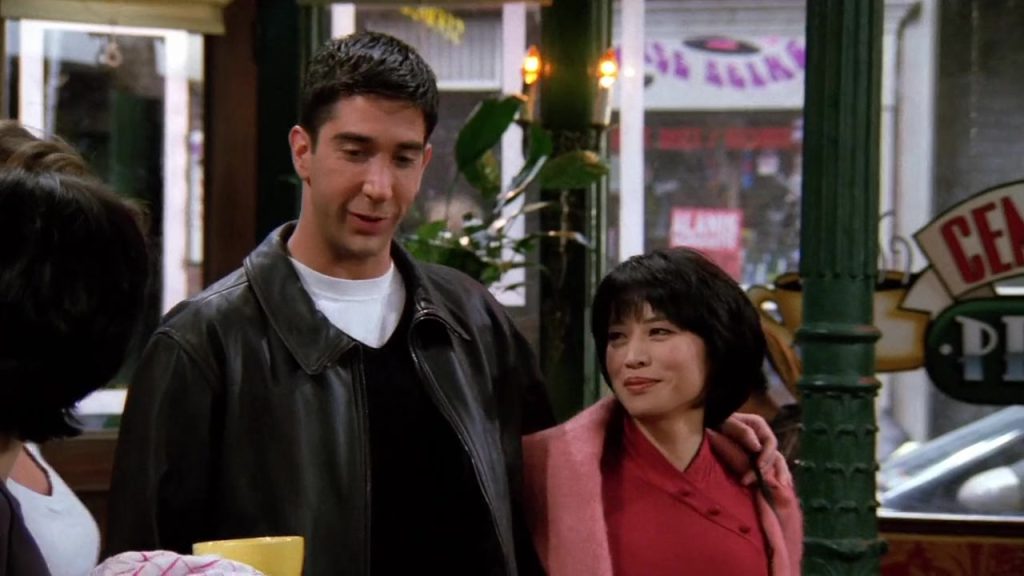
Welcome to your next adventure in Netflix Language Learning! Whether you’re binge-watching your favorite shows or diving into new series, learning English through movies can be both effective and entertaining. In this article, we’ll explore 12 essential vocabulary words extracted directly from Friends S02E07. These carefully selected words will not only expand your vocabulary but also enhance your understanding of everyday conversations. Plus, we’ll show you how to make the most of your learning experience with our innovative language learning extension. Let’s get started!
Vocabulary to Learn in This Article
- Repellant
- Insulation
- Unemployed
- Dire
- Remake
- Situps
- Clenches
- Rabbi
- Flash
- Reluctantly
- Belligerently
- Phonetics
- Opt
- Closure
1. Repellant
Original Movie Context
- Dialogue: Chandler: “Is there something… repellant… about me?”
- Scene Description and Emotional Tone: Chandler enters Monica and Rachel’s apartment feeling insecure after a party, questioning his own attractiveness with a hint of self-deprecation and humor.
Word Breakdown
- Definition: A substance or agent that drives away insects or other pests; something that causes aversion or dislike.
- Part of Speech: Adjective
- Pronunciation: /rɪˈpel.ənt/
- Etymology: Derived from the Latin word repellere, meaning “to drive back.”
- Examples:
- She used a natural repellant to keep mosquitoes away during her camping trip.
- His rude comments made him seem repellant to his classmates.
Contextual Usage
- Example Sentences:
- The strong smell of the spray was repellant to most people.
- Her negative attitude was repellant, making it hard for others to stay around her.
- Formal vs. Informal:
- Formal: The chemical was used as a repellant in agricultural settings.
- Informal: That guy’s attitude is so repellant!
- Common Collocations:
- Insect repellant
- Socially repellant
Learning Insights
- Pronunciation Tips: Emphasize the second syllable: re-PEL-lant.
- Common Mistakes: Avoid confusing with “repellent,” which can also be used as a noun.
- Cultural Nuances: In the US, “repellant” often refers to products that keep pests away, especially insects.
- Memorization Tricks: Think of “repel” – something repellant makes you want to repel or stay away.
2. Insulation
Original Movie Context
- Dialogue: Phoebe: “No, not weight… y’know, more like insulation.”
- Scene Description and Emotional Tone: Phoebe humorously downplays Chandler’s weight gain by referring to it as “insulation,” adding a lighthearted twist to a sensitive topic.
Word Breakdown
- Definition: Material used to prevent the passage of heat, sound, or electricity; in this context, humorously referring to body fat.
- Part of Speech: Noun
- Pronunciation: /ˌɪn.sjʊˈleɪ.ʃən/
- Etymology: From Latin insulātiō, meaning “covering.”
- Examples:
- The house has excellent insulation, keeping it warm in winter and cool in summer.
- She added extra insulation to her jacket for the cold weather.
Contextual Usage
- Example Sentences:
- Proper insulation can significantly reduce your energy bills.
- The insulation in his jacket kept him warm during the hike.
- Formal vs. Informal:
- Formal: Insulation plays a crucial role in building energy efficiency.
- Informal: I need more insulation in my winter coat.
- Common Collocations:
- Thermal insulation
- Sound insulation
Learning Insights
- Pronunciation Tips: Break it down into syllables: in-syu-LAY-shun.
- Common Mistakes: Don’t confuse with “installation,” which means putting something in place.
- Cultural Nuances: In everyday conversation, using “insulation” to refer to body fat is humorous and informal.
- Memorization Tricks: Think of insulation as a protective layer, whether for buildings or humorously, for the body.
3. Unemployed
Original Movie Context
- Dialogue: Monica: “Chandler, I’m unemployed and in dire need of a project.”
- Scene Description and Emotional Tone: Monica expresses her frustration about being out of work and her eagerness to find a new project, showcasing her proactive and determined personality.
Word Breakdown
- Definition: Not having a job; without employment.
- Part of Speech: Adjective
- Pronunciation: /ʌn.ɪmˈplɔɪd/
- Etymology: Prefix “un-” (not) + “employed” from Old French employer.
- Examples:
- After the company downsized, many employees found themselves unemployed.
- He felt anxious about being unemployed and started searching for new opportunities.
Contextual Usage
- Example Sentences:
- Being unemployed can be a stressful time, but it’s also an opportunity to explore new careers.
- She stayed positive despite being unemployed for six months.
- Formal vs. Informal:
- Formal: The unemployed population has been increasing due to economic downturns.
- Informal: He’s been unemployed for a while and is looking for something new.
- Common Collocations:
- Unemployed rate
- Unemployed youth
Learning Insights
- Pronunciation Tips: Emphasize the second syllable: un-IM-ployed.
- Common Mistakes: Don’t use “unemploy” as a verb; instead, use “be unemployed.”
- Cultural Nuances: In many cultures, being unemployed can carry a stigma, but it’s a common and understandable situation.
- Memorization Tricks: Remember the prefix “un-” means “not,” so “unemployed” means “not employed.”
4. Dire
Original Movie Context
- Dialogue: Monica: “I’m unemployed and in dire need of a project.”
- Scene Description and Emotional Tone: Monica emphasizes the urgency of her situation with a serious and somewhat desperate tone, highlighting her need for employment.
Word Breakdown
- Definition: Extremely serious or urgent.
- Part of Speech: Adjective
- Pronunciation: /ˈdaɪər/
- Etymology: From Latin dirus, meaning “fearful, dire.”
- Examples:
- The region faces dire consequences if immediate action isn’t taken.
- He made a dire prediction about the company’s future.
Contextual Usage
- Example Sentences:
- There is a dire need for medical supplies in the affected areas.
- The situation became dire when the power went out during the storm.
- Formal vs. Informal:
- Formal: The report outlines the dire economic situation facing the country.
- Informal: We’re in dire trouble if we don’t finish this project on time.
- Common Collocations:
- Dire consequences
- Dire need
Learning Insights
- Pronunciation Tips: Rhymes with “fire.”
- Common Mistakes: Don’t use “dire” to mean “bad” in a mild sense; it implies extreme seriousness.
- Cultural Nuances: Often used in contexts requiring urgent attention or action.
- Memorization Tricks: Associate “dire” with “dire straits,” meaning serious trouble.
Technology-driven Netflix Language Learning provides interactive features that cater to your unique learning style.

5. Remake
Original Movie Context
- Dialogue: Monica: “Ya wanna work out? I can remake you.”
- Scene Description and Emotional Tone: Monica playfully offers to help Chandler get fit, using a pun on “remake” to suggest transforming his physique.
Word Breakdown
- Definition: To make something again or differently, often improving it.
- Part of Speech: Verb
- Pronunciation: /ˌriːˈmeɪk/
- Etymology: From “re-” (again) + “make.”
- Examples:
- The studio decided to remake the classic movie with a modern twist.
- She plans to remake her old dresses into something new.
Contextual Usage
- Example Sentences:
- They are going to remake the song with a new arrangement.
- The company will remake the outdated website to improve user experience.
- Formal vs. Informal:
- Formal: The architectural firm will remake the historic building while preserving its original charm.
- Informal: Let’s remake your backyard into a cozy garden.
- Common Collocations:
- Remake a movie
- Remake a song
Learning Insights
- Pronunciation Tips: Stress the second syllable: re-MAKE.
- Common Mistakes: Don’t confuse with “make over,” which means to transform the appearance.
- Cultural Nuances: Remakes are common in the entertainment industry, often sparking discussions about originality.
- Memorization Tricks: Think of “make again” to remember that “remake” means to make something anew.
Leverage Netflix Language Learning with our cutting-edge tools to transform how you absorb and retain new vocabulary.
6. Situps
Original Movie Context
- Dialogue: Chandler is doing situps.
- Scene Description and Emotional Tone: Chandler struggles to complete situps, showing his physical exertion and comedic effort to stay fit.
Word Breakdown
- Definition: An exercise to strengthen abdominal muscles by lifting the upper body while lying down.
- Part of Speech: Noun
- Pronunciation: /ˈsɪt.ʌps/
- Etymology: Combination of “sit” + “ups,” indicating the movement involved.
- Examples:
- He does 50 situps every morning as part of his fitness routine.
- After a week of doing situps, she noticed her core becoming stronger.
Contextual Usage
- Example Sentences:
- I need to do some situps to build my abs.
- Situps are a great way to improve your core strength.
- Formal vs. Informal:
- Formal: Regular situps can enhance abdominal muscle tone.
- Informal: I’m struggling to finish my situps today.
- Common Collocations:
- Do situps
- Complete situps
Learning Insights
- Pronunciation Tips: Emphasize the first syllable: SIT-ups.
- Common Mistakes: Avoid pluralizing incorrectly; it remains “situps” as a noun.
- Cultural Nuances: Situps are a common exercise in many fitness programs, often associated with discipline and strength.
- Memorization Tricks: Visualize doing situps to remember the term related to abdominal exercises.
Our series on Netflix Language Learning offers a variety of articles that cover different episodes and vocabulary sets.
7. Clenches
Original Movie Context
- Dialogue: Chandler: “…they won’t bring me my mail anymore.”
- Scene Description and Emotional Tone: Chandler expresses frustration, metaphorically referring to holding onto his stress, which can be related to “clenches” as a form of tension.
Word Breakdown
- Definition: To tighten one’s muscles, especially as an expression of anger or pain.
- Part of Speech: Verb (clench), Noun (clenches)
- Pronunciation: /klɛntʃɪz/
- Etymology: From Old English clencan, meaning “to make tight.”
- Examples:
- He clenched his fists in anger.
- Her clenches were a sign of her anxiety.
Contextual Usage
- Example Sentences:
- During the stressful meeting, she clenched her jaw.
- His clenches indicated he was holding back his frustration.
- Formal vs. Informal:
- Formal: The patient’s clenches suggested significant pain.
- Informal: He was so mad, he clenched his teeth.
- Common Collocations:
- Clench fists
- Clench teeth
Learning Insights
- Pronunciation Tips: Emphasize the first syllable: CLEN-ches.
- Common Mistakes: Don’t confuse with “clinks,” which refers to sounds.
- Cultural Nuances: Clenching is often associated with stress, anger, or determination in various cultural expressions.
- Memorization Tricks: Picture someone clenching their fists when angry to associate the term with tension.
Explore more Netflix Language Learning resources in our previous articles, each tailored to boost your English skills through engaging content.
8. Rabbi
Original Movie Context
- Dialogue: Joey: “I can’t find the remote.” [Phoebe turns off the TV]
- Scene Description and Emotional Tone: Phoebe notices Joey watching a rabbi play electric guitar, leading to a humorous interaction about his unusual TV choice.
Word Breakdown
- Definition: A Jewish religious leader or teacher.
- Part of Speech: Noun
- Pronunciation: /ˈræbi/
- Etymology: From Hebrew rabbi, meaning “my teacher.”
- Examples:
- The rabbi led the congregation in prayer.
- She consulted her rabbi for guidance on religious matters.
Contextual Usage
- Example Sentences:
- The rabbi gave an inspiring sermon during the holiday service.
- They invited the rabbi to speak at their community event.
- Formal vs. Informal:
- Formal: The rabbi officiated the wedding ceremony.
- Informal: Hey, the rabbi is giving a talk tonight.
- Common Collocations:
- Jewish rabbi
- Consult a rabbi
Learning Insights
- Pronunciation Tips: Emphasize the first syllable: RAB-bi.
- Common Mistakes: Don’t confuse with “rabies,” a viral disease.
- Cultural Nuances: A rabbi holds significant religious and cultural importance in Jewish communities.
- Memorization Tricks: Associate “rabbi” with “teacher” to remember its meaning.
Integrate Netflix Language Learning with FunFluen.com to make each episode a powerful language learning tool.
9. Flash
Original Movie Context
- Dialogue: Monica: “Five more and I’ll flash you.”
- Scene Description and Emotional Tone: Monica humorously threatens to flash Chandler if he doesn’t continue doing situps, adding a playful and teasing tone to their interaction.
Word Breakdown
- Definition: To show something quickly or suddenly, often in a daring or provocative manner.
- Part of Speech: Verb
- Pronunciation: /flæʃ/
- Etymology: From Old English flæsc, meaning “flesh,” later evolving to mean a sudden display.
- Examples:
- He decided to flash his driver’s license to prove his identity.
- The paparazzi tried to flash celebrities on the red carpet.
Contextual Usage
- Example Sentences:
- She flashed her ID at the club entrance.
- He flashed a grin when he saw the surprise party.
- Formal vs. Informal:
- Formal: The security guard asked him to flash his identification.
- Informal: Don’t flash your phone screen in public; it can distract others.
- Common Collocations:
- Flash a smile
- Flash a warning
Learning Insights
- Pronunciation Tips: Rhymes with “cash.”
- Common Mistakes: Don’t confuse with “flashy,” which describes something showy.
- Cultural Nuances: Flashing can be seen as bold or inappropriate, depending on the context.
- Memorization Tricks: Think of “flash” as a quick display, whether it’s an emotion or an action.
Enhance your Netflix Language Learning sessions with our extension, allowing you to interact with vocabulary words directly from the show.

10. Reluctantly
Original Movie Context
- Dialogue: Ross: “I need to lie down. No, ya know, I’m gonna stand.”
- Scene Description and Emotional Tone: Ross speaks with hesitation and discomfort, reflecting his internal struggle, indicating a sense of reluctance.
Word Breakdown
- Definition: Unwillingly or hesitantly.
- Part of Speech: Adverb
- Pronunciation: /rɪˈlʌktəntli/
- Etymology: From “reluctant,” which comes from Latin reluctari, meaning “to struggle against.”
- Examples:
- She reluctantly agreed to join the team after much persuasion.
- He reluctantly handed over his phone during the argument.
Contextual Usage
- Example Sentences:
- They reluctantly accepted the changes in the project timeline.
- He reluctantly left the party when he realized it was too late.
- Formal vs. Informal:
- Formal: The committee reluctantly approved the new policy after extensive debate.
- Informal: She reluctantly let her friend borrow her car.
- Common Collocations:
- Reluctantly agree
- Reluctantly accept
Learning Insights
- Pronunciation Tips: Emphasize the second syllable: re-LUCT-ant-ly.
- Common Mistakes: Don’t confuse with “reluctance,” which is the noun form.
- Cultural Nuances: Using “reluctantly” conveys a lack of enthusiasm, often in polite refusals or hesitations.
- Memorization Tricks: Associate “reluctantly” with “reluctant,” meaning unwilling, to remember its adverbial form.
Our approach to Netflix Language Learning ensures that each new word is tied to a memorable scene from Friends S02E07.
11. Belligerently
Original Movie Context
- Dialogue: Rachel: “What’re they called, what’re they called, what’re they called?”
- Scene Description and Emotional Tone: Rachel, visibly upset and slightly aggressive, speaks belligerently as she interacts with the waiter, reflecting her frustration.
Word Breakdown
- Definition: Hostile and aggressive.
- Part of Speech: Adverb
- Pronunciation: /bəˈlɪdʒərəntli/
- Etymology: From “belligerent,” which comes from Latin bellum (war) + gerere (to carry).
- Examples:
- He spoke belligerently during the debate, making it difficult to reach a consensus.
- The customer became belligerently angry when his order was delayed.
Contextual Usage
- Example Sentences:
- She responded belligerently to the criticism, refusing to calm down.
- The driver was belligerently rude to the police officer.
- Formal vs. Informal:
- Formal: His belligerently confrontational attitude was not appreciated in the meeting.
- Informal: He started acting belligerently after losing the game.
- Common Collocations:
- Speak belligerently
- Act belligerently
Learning Insights
- Pronunciation Tips: Emphasize the second syllable: be-LI-jer-ant-ly.
- Common Mistakes: Don’t confuse with “bellicose,” which is an adjective with a similar meaning.
- Cultural Nuances: Belligerent behavior is often viewed negatively, associated with conflict and aggression.
- Memorization Tricks: Link “belligerent” with “bellum” (war) to remember its meaning related to hostility.
Using Netflix Language Learning, you can encounter these vocabulary words in authentic contexts, helping you remember and apply them better.
12. Phonetics
Original Movie Context
- Dialogue: Our language learning extension offers phonetics for Chinese, Japanese, Korean.
- Scene Description and Emotional Tone: The product description highlights a feature that aids pronunciation, enhancing language learning tools.
Word Breakdown
- Definition: The study and classification of speech sounds.
- Part of Speech: Noun
- Pronunciation: /fəˈnɛtɪks/
- Etymology: From Greek phōnētikos, meaning “vocal.”
- Examples:
- She is studying phonetics to improve her understanding of language sounds.
- Phonetics plays a crucial role in language acquisition.
Contextual Usage
- Example Sentences:
- A course in phonetics can help you master accurate pronunciation.
- Understanding phonetics is essential for linguists and language learners.
- Formal vs. Informal:
- Formal: The seminar will cover advanced topics in phonetics and phonology.
- Informal: I’m taking a class on phonetics to get better at speaking English.
- Common Collocations:
- Study phonetics
- Phonetics course
Learning Insights
- Pronunciation Tips: Emphasize the second syllable: pho-NET-ics.
- Common Mistakes: Don’t confuse with “phonics,” which relates to teaching reading.
- Cultural Nuances: Phonetics is a foundational element in language teaching and learning, essential for proper pronunciation.
- Memorization Tricks: Think of “phonetics” as the “phonetic sounds” of a language to remember its focus on speech sounds.
With Netflix Language Learning, you can immerse yourself in real-life dialogues, just like the conversations in Friends S02E07.
13. Opt
Original Movie Context
- Dialogue: Phoebe: “I’ve decided to opt for sanity.”
- Scene Description and Emotional Tone: Rachel chooses to move on from her jealous behavior, indicating a conscious decision to change her approach to relationships.
Word Breakdown
- Definition: To make a choice or decision.
- Part of Speech: Verb
- Pronunciation: /ɒpt/
- Etymology: From Latin optare, meaning “to choose.”
- Examples:
- She opted to take the scenic route during her road trip.
- He opted out of the meeting due to prior commitments.
Contextual Usage
- Example Sentences:
- They opted to dine at a new restaurant downtown.
- After careful consideration, he opted for the higher-paying job.
- Formal vs. Informal:
- Formal: The committee opted to postpone the event until next year.
- Informal: I opted to stay home instead of going out tonight.
- Common Collocations:
- Opt for
- Opt out
Learning Insights
- Pronunciation Tips: Rhymes with “top.”
- Common Mistakes: Don’t confuse with “optional,” which means not mandatory.
- Cultural Nuances: “Opt” is versatile and used in both formal and informal contexts to indicate choice.
- Memorization Tricks: Associate “opt” with “option” to remember it relates to making choices.
Embarking on a journey of Netflix Language Learning allows you to combine entertainment with education, making your language acquisition process enjoyable and effective.
14. Closure
Original Movie Context
- Dialogue: Rachel: “Closure. That’s what it is, that’s what I need.”
- Scene Description and Emotional Tone: Rachel seeks emotional resolution to move on from her feelings for Ross, emphasizing her need for closure in her personal life.
Word Breakdown
- Definition: The act or process of closing something; in emotional contexts, the sense of resolution after a significant event or relationship.
- Part of Speech: Noun
- Pronunciation: /ˈkloʊ.ʒər/
- Etymology: From the verb “close” + the noun suffix “-ure.”
- Examples:
- She finally found closure after their breakup.
- The project reached closure after all tasks were completed.
Contextual Usage
- Example Sentences:
- He wrote a letter to gain closure from the past relationship.
- Attending the memorial provided a sense of closure for her.
- Formal vs. Informal:
- Formal: The legal proceedings provided closure for the victims’ families.
- Informal: I just need some closure to move on from this.
- Common Collocations:
- Seek closure
- Gain closure
Learning Insights
- Pronunciation Tips: Emphasize the first syllable: CLO-sure.
- Common Mistakes: Don’t confuse with “closure” as merely the act of closing; in emotional contexts, it implies resolution.
- Cultural Nuances: Closure is a significant concept in psychology and personal development, often associated with healing and moving forward.
- Memorization Tricks: Link “closure” with “closing a chapter” to remember its meaning related to resolution.
Make Language Learning Fun and Accessible
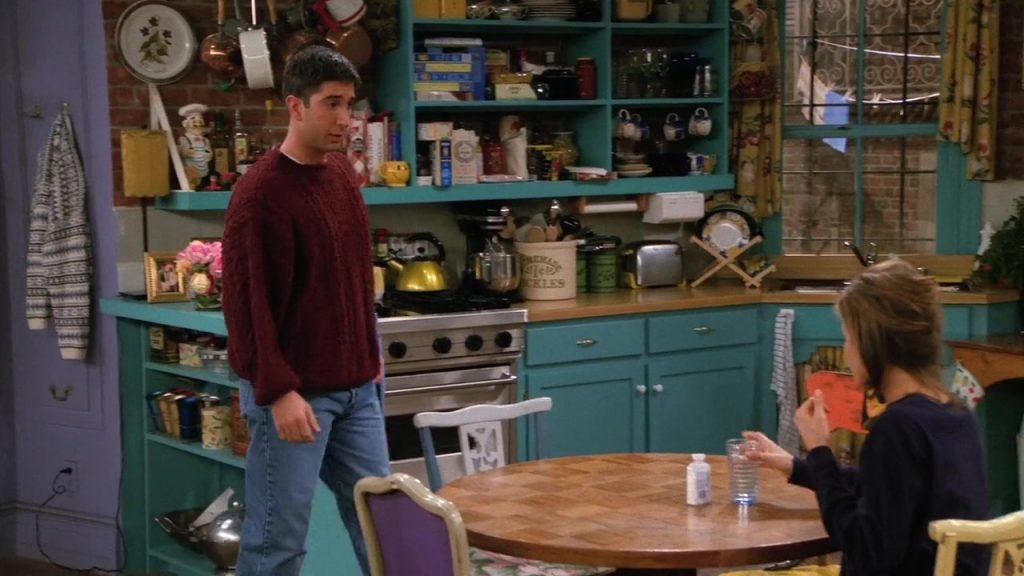
Learning new vocabulary doesn’t have to be a chore. By connecting words to familiar contexts from Friends S02E07, you can make the learning process engaging and memorable. Imagine sitting with your friends, laughing at Chandler’s gym struggles or empathizing with Rachel’s quest for closure. These real-life scenarios not only help you remember the words but also understand their practical usage.
Enhance Your Learning Experience with FunFluen.com
To elevate your Netflix Language Learning, our language learning extension at FunFluen.com offers a suite of features designed to make learning seamless and enjoyable:
- Mouse Dictionary: Hover over any word in the subtitles to see instant definitions, boosting your vocabulary in real-time.
- Save Words: Easily save new words for future review, ensuring you never forget what you’ve learned.
- Fluency Gym: Our unique feature transforms passive vocabulary into active language skills. Engage with real-time movie dialogues, guess, listen, and speak alongside native speakers for an interactive learning experience.
- Display Subtitles in Multiple Languages: Compare subtitles in two or three languages simultaneously to enhance understanding.
- Auto-Pause and Play: Control playback with ease, ensuring you fully comprehend each sentence before moving on.
Embrace the future of Netflix Language Learning by integrating these tools into your study routine. Whether you’re a solo practitioner or learning with friends, our extension adapts to your needs, making language improvement efficient and enjoyable.
Dive Deeper with Our Previous Articles
Continue your language learning with Netflix journey by exploring our related articles:
- Boost Your English: 15 Essential Vocabulary Words from Friends S01 E09 for Language Learning with Netflix
- Language Learning with Netflix: 15 Essential Vocabulary Words from Friends S01E12
- Mastering English Through Friends S01E16: Top Vocabulary Words to Boost Your Language Skills
- Cinema Language Learning: 12 Essential Vocabulary Words from Friends S01E22
Each article is crafted to help you maximize your language learning through engaging content and practical vocabulary.
Embrace Technology to Transform Your Language Learning
In today’s digital age, technology can significantly enhance your Netflix Language Learning experience. Our language learning extension seamlessly integrates with your favorite shows, providing tools that adapt to your learning style. From saving words to listening practice with Fluency Gym, technology bridges the gap between passive watching and active learning.
Conclusion
Netflix Language Learning is an exciting and effective way to enhance your English skills. By leveraging engaging content from Friends S02E07 and utilizing our advanced learning tools at FunFluen.com, you can make significant strides in your language journey. Remember, learning should be fun and accessible, just like enjoying your favorite TV shows with friends. Start today, embrace the adventure, and watch your English proficiency soar!
Ready to Elevate Your Language Skills?
Discover how our language learning extension can transform your Netflix Language Learning experience. Visit FunFluen.com today and explore features like Fluency Gym, Mouse Dictionary, and more. Join a community of motivated learners and make your language journey enjoyable and effective!
#FunFluen #LanguageLearning #NetflixLanguageLearning #LearnEnglish #FriendsS02E07 #VocabularyBoost #FluencyGym #LanguageTools #InteractiveLearning #TechInEducation