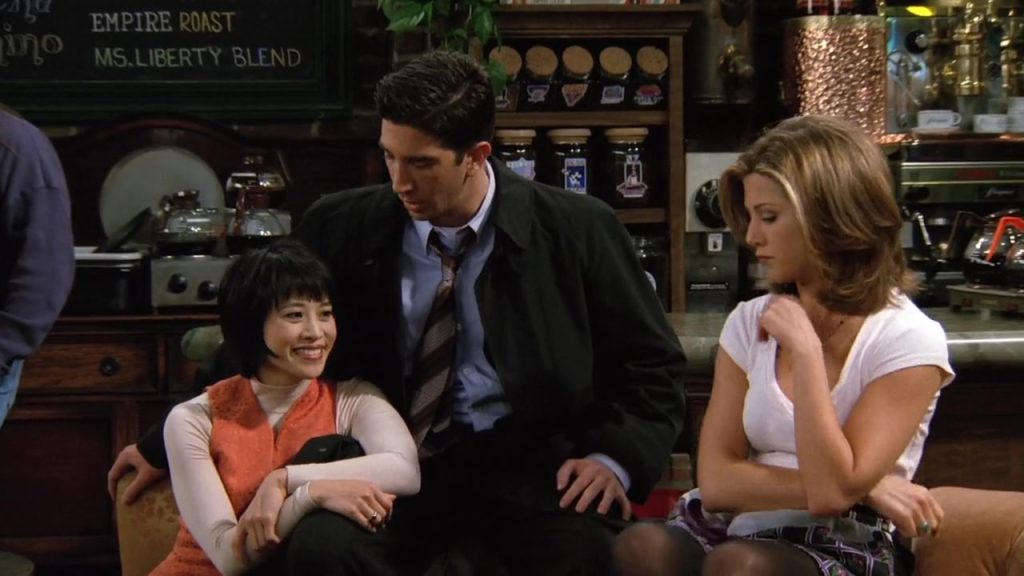
Welcome to the exciting world of Cinema Language Learning! Whether you’re binge-watching your favorite shows on Netflix or diving into iconic episodes like Friends S02E08, learning English has never been more entertaining. In this article, we’ll explore 15 carefully selected vocabulary words from Friends S02E08 that will enhance your language skills while keeping the fun alive. Plus, discover how our innovative language learning extension can supercharge your journey!
Vocabulary to Learn in This Article
- Burn
- Gonna
- Closed set
- Camouflage
- Flesh-eating virus
- Tag along
- Happy thoughts
- Under a lot of pressure
- Flossing
- Time share
- Mustache
- Slapstick
- Giggle
- Reservation
1. Burn
Original Movie Context
Joey: “Woah, dude, burn.”
Scene Description and Emotional Tone: Joey reacts enthusiastically when Marcel, Ross’s monkey, throws an elephant doll to the ground. The scene is light-hearted and filled with playful banter among friends.
Word Breakdown
- Definition: An exclamation used to express excitement or approval, often in response to something impressive.
- Part of Speech: Interjection
- Pronunciation: /bərn/
- Etymology: Originates from African American Vernacular English (AAVE), popularized in hip-hop culture.
Examples:
- After scoring the winning goal, she yelled, “Burn!”
- When he nailed the presentation, everyone in the room went, “Burn!”
Contextual Usage
- Example Sentences:
- “That comeback was pure burn!”
- “He showed off his new car, and the crowd went burn.”
- Formal vs. Informal:
- Informal: “Burn! That was hilarious.”
- Formal: “That was an impressive achievement.”
- Common Collocations:
- Comeback burn, verbal burn, roast burn
Learning Insights
- Pronunciation Tips: Emphasize the strong “b” sound at the beginning.
- Common Mistakes: Avoid confusing “burn” as only a noun; here, it’s used as an exclamation.
- Cultural Nuances: Often used in casual conversations among friends to celebrate witty remarks or impressive actions.
- Memorization Tricks: Associate “burn” with a fiery reaction to something cool or impressive.
Cinema Language Learning offers a unique way to enhance your vocabulary while enjoying your favorite shows.
2. Gonna
Original Movie Context
Chandler: “I’m not allowed to make one joke in the monkey-is-penis genre?”
Scene Description and Emotional Tone: Chandler uses “gonna” informally while expressing frustration, adding a casual tone to the conversation.
Word Breakdown
- Definition: A colloquial contraction of “going to,” indicating future intentions.
- Part of Speech: Auxiliary verb
- Pronunciation: /ˈɡʌnə/
- Etymology: Derived from the informal speech pattern where “going to” is shortened for ease of use.
Examples:
- I’m gonna grab some coffee.
- She’s gonna love this gift.
Contextual Usage
- Example Sentences:
- “I’m gonna finish my homework before dinner.”
- “They’re gonna move to a new city next month.”
- Formal vs. Informal:
- Informal: “I’m gonna call you later.”
- Formal: “I am going to call you later.”
- Common Collocations:
- Gonna be, gonna have, gonna do
Learning Insights
- Pronunciation Tips: The “a” in “gonna” sounds like a schwa (/ə/), making it sound like “gun-uh.”
- Common Mistakes: Using “gonna” in formal writing, where “going to” is appropriate.
- Cultural Nuances: Commonly used in spoken English, especially in casual conversations.
- Memorization Tricks: Think of “gonna” as a faster way to say “going to” when speaking with friends.
With Cinema Language Learning, you can effortlessly pick up new phrases as you watch entertaining episodes.
3. Closed Set
Original Movie Context
Security guard: “I’m sorry guys, closed set.”
Scene Description and Emotional Tone: The security guard informs Ross and his friends that the movie set is not open to the public, maintaining a professional and firm tone.
Word Breakdown
- Definition: A movie set that is not accessible to unauthorized personnel or the general public.
- Part of Speech: Noun phrase
- Pronunciation: /kloʊzd sɛt/
- Etymology: “Set” refers to the location where filming occurs, combined with “closed” to denote restricted access.
Examples:
- The concert was on a closed set, so only VIPs could attend.
- Due to safety concerns, the park was a closed set during the event.
Contextual Usage
- Example Sentences:
- “The fashion show is a closed set; you’ll need an invitation to enter.”
- “Access to the construction site is restricted as it’s a closed set.”
- Formal vs. Informal:
- Formal: “Please be aware that the area is a closed set.”
- Informal: “Sorry, it’s a closed set. You can’t go in.”
- Common Collocations:
- Closed set regulations, closed set access, closed set policy
Learning Insights
- Pronunciation Tips: Clearly enunciate both words to avoid blending.
- Common Mistakes: Misunderstanding “closed set” as merely “closed,” missing the context of a movie or event set.
- Cultural Nuances: Used primarily in the entertainment industry to denote filming areas not open to the public.
- Memorization Tricks: Visualize a movie set with a “Closed” sign to remember the term’s meaning.
Integrate Cinema Language Learning into your daily routine and watch your language skills flourish.
4. Camouflage
Original Movie Context
Chandler: “Nice camouflage man, for a minute there I almost didn’t see ya.”
Scene Description and Emotional Tone: Chandler compliments an extra’s ability to blend into the surroundings, adding humor to the interaction.
Word Breakdown
- Definition: A pattern or color scheme used to blend into the environment to avoid detection.
- Part of Speech: Noun
- Pronunciation: /ˈkæməflɑːʒ/
- Etymology: From French “camoufler,” meaning to disguise.
Examples:
- The soldiers wore camouflage to stay hidden in the forest.
- His camouflage jacket helped him blend into the crowd during the event.
Contextual Usage
- Example Sentences:
- “The deer used its camouflage to hide from predators.”
- “She chose a camouflage print for her hiking gear.”
- Formal vs. Informal:
- Formal: “Camouflage patterns are essential for military operations.”
- Informal: “His camo shirt made him hard to spot at the party.”
- Common Collocations:
- Camouflage pattern, camouflage clothing, camouflage netting
Learning Insights
- Pronunciation Tips: Focus on the soft “g” at the end, pronounced as “zh.”
- Common Mistakes: Mispronouncing the “ou” as in “camouflage” vs. “collage.”
- Cultural Nuances: Widely used in military contexts but also popular in fashion and nature.
- Memorization Tricks: Picture an animal blending into its environment to remember the concept.
5. Flesh-eating Virus
Original Movie Context
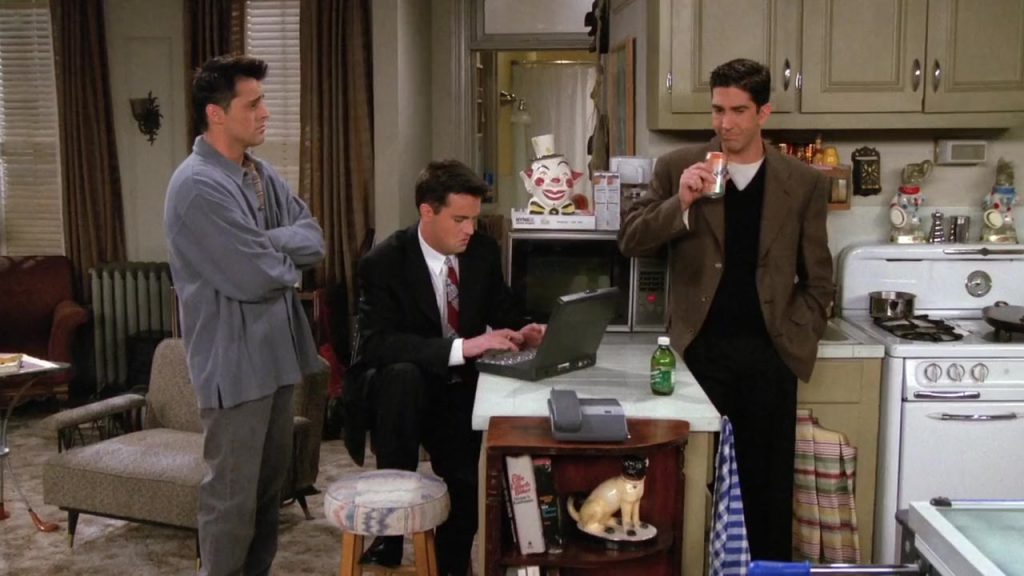
Joey: “…get away from the horrible flesh eating virus, for the love of God woman…”
Scene Description and Emotional Tone: Chandler humorously exaggerates the threat of a virus to convince Phoebe to walk with him, adding a comedic tone.
Word Breakdown
- Definition: A severe bacterial infection that destroys skin, fat, and other soft tissues.
- Part of Speech: Noun phrase
- Pronunciation: /flɛʃ ˈitɪŋ ˈvaɪrəs/
- Etymology: “Flesh-eating” describes the destructive nature of the virus, combined with “virus” from Latin “virus” meaning poison or slimy liquid.
Examples:
- The outbreak of the flesh-eating virus caused widespread panic.
- He was hospitalized due to a flesh-eating virus after a severe injury.
Contextual Usage
- Example Sentences:
- “Medical advancements have improved treatments for flesh-eating viruses.”
- “Hikers are advised to take precautions to prevent flesh-eating viruses.”
- Formal vs. Informal:
- Formal: “Flesh-eating viruses pose significant health risks.”
- Informal: “He scared her away with talk of a flesh-eating virus.”
- Common Collocations:
- Flesh-eating bacteria, flesh-eating infection, flesh-eating disease
Learning Insights
- Pronunciation Tips: Clearly articulate each word, especially the compound “flesh-eating.”
- Common Mistakes: Confusing “flesh” with “flash” or mispronouncing “eating.”
- Cultural Nuances: Often used in horror genres and medical contexts; here, used humorously.
- Memorization Tricks: Imagine a terrifying scenario to recall the severity of a flesh-eating virus.
Cinema Language Learning transforms movie nights into productive and enjoyable language sessions.
6. Tag Along
Original Movie Context
Ross: “Thanks for letting me tag along tonight you guys.”
Scene Description and Emotional Tone: Ross expresses gratitude for being allowed to join his friends, highlighting camaraderie and friendliness.
Word Breakdown
- Definition: To accompany someone, often without being formally invited.
- Part of Speech: Phrasal verb
- Pronunciation: /tæɡ əˈlɒŋ/
- Etymology: “Tag” implies joining or following, while “along” indicates movement with someone.
Examples:
- Can I tag along to the concert with you?
- He decided to tag along on the road trip for some adventure.
Contextual Usage
- Example Sentences:
- “She let her friend tag along on the shopping spree.”
- “They didn’t mind if he tagged along to the meeting.”
- Formal vs. Informal:
- Informal: “Mind if I tag along?”
- Formal: “Would you like me to accompany you?”
- Common Collocations:
- Tag along with, tag along for, let someone tag along
Learning Insights
- Pronunciation Tips: Stress “along” to differentiate from other similar phrases.
- Common Mistakes: Using “tag along” as a noun instead of a verb.
- Cultural Nuances: Commonly used among friends or in casual settings.
- Memorization Tricks: Picture someone “tagging” behind a group to remember the meaning.
By using Cinema Language Learning, you can connect more deeply with the cultural nuances presented in the show.
7. Happy Thoughts
Original Movie Context
Phoebe: “Happy thoughts.”
Scene Description and Emotional Tone: Phoebe encourages Monica and Rachel to stay positive during their argument, using a soothing and optimistic tone.
Word Breakdown
- Definition: Positive or uplifting ideas intended to improve one’s mood.
- Part of Speech: Noun phrase
- Pronunciation: /ˈhæpi θɔːts/
- Etymology: Combination of “happy,” meaning joyful, and “thoughts,” referring to ideas or mental processes.
Examples:
- Whenever I feel down, I think of happy thoughts to lift my spirits.
- She focused on happy thoughts during the stressful exam period.
Contextual Usage
- Example Sentences:
- “Meditation helps me maintain happy thoughts throughout the day.”
- “He shared happy thoughts to cheer up his friend.”
- Formal vs. Informal:
- Informal: “Just think happy thoughts!”
- Formal: “Maintaining a positive mindset can improve mental health.”
- Common Collocations:
- Positive happy thoughts, focus on happy thoughts, spread happy thoughts
Learning Insights
- Pronunciation Tips: Ensure clear articulation of both words for effective communication.
- Common Mistakes: Misplacing adjectives; ensure “happy” correctly modifies “thoughts.”
- Cultural Nuances: Often used in therapeutic or supportive contexts to promote positivity.
- Memorization Tricks: Associate “happy thoughts” with a bright, sunny image to recall the phrase.
8. Under a Lot of Pressure
Original Movie Context
Trainer: “Hey don’t take it personal, he’s under a lot of pressure, ya know, starring in a movie and all.”
Scene Description and Emotional Tone: The trainer explains Marcel’s stress, using a reassuring and understanding tone.
Word Breakdown
- Definition: Experiencing significant stress or being in a challenging situation.
- Part of Speech: Prepositional phrase
- Pronunciation: /ˈʌndər ə lɒt əv ˈprɛʃər/
- Etymology: “Pressure” comes from Latin “pressura,” meaning the act of pressing.
Examples:
- She’s under a lot of pressure at work with the new project.
- Athletes often perform well under a lot of pressure.
Contextual Usage
- Example Sentences:
- “He’s under a lot of pressure to meet the deadline.”
- “They felt under a lot of pressure during the final match.”
- Formal vs. Informal:
- Informal: “I’m under a lot of pressure right now.”
- Formal: “She is experiencing significant pressure due to her responsibilities.”
- Common Collocations:
- Under pressure, under a lot of pressure, feel under pressure
Learning Insights
- Pronunciation Tips: Smoothly connect the words, ensuring “pressure” is clearly pronounced.
- Common Mistakes: Confusing “pressure” with similar-sounding words like “pleasure.”
- Cultural Nuances: Reflects common workplace and personal stressors; universally relatable.
- Memorization Tricks: Visualize someone carrying heavy weights to symbolize pressure.
9. Flossing
Original Movie Context
Joey: “Woah, someone’s flossing.”
Scene Description and Emotional Tone: Joey notices Chandler wearing pink panties and humorously refers to it as “flossing,” adding a playful and teasing tone.
Word Breakdown
- Definition: In this context, “flossing” humorously refers to showing off one’s underwear.
- Part of Speech: Verb (used informally)
- Pronunciation: /ˈflɒsɪŋ/
- Etymology: Originally refers to the act of cleaning teeth with dental floss, now used metaphorically in various contexts.
Examples:
- He was flossing his new shoes at the party.
- She loves flossing her jewelry on Instagram.
Contextual Usage
- Example Sentences:
- “He’s always flossing his gadgets on social media.”
- “They were flossing their latest designs at the fashion show.”
- Formal vs. Informal:
- Informal: “Stop flossing and be humble.”
- Formal: “He tends to show off his accomplishments excessively.”
- Common Collocations:
- Flossing money, flossing items, flossing style
Learning Insights
- Pronunciation Tips: Stress the first syllable: “FLOS-sing.”
- Common Mistakes: Misunderstanding “flossing” as related to dental hygiene in informal contexts.
- Cultural Nuances: “Flossing” often implies showing off or flaunting something in a flashy manner.
- Memorization Tricks: Link “flossing” with “showing off” to remember the slang usage.
10. Time Share
Original Movie Context
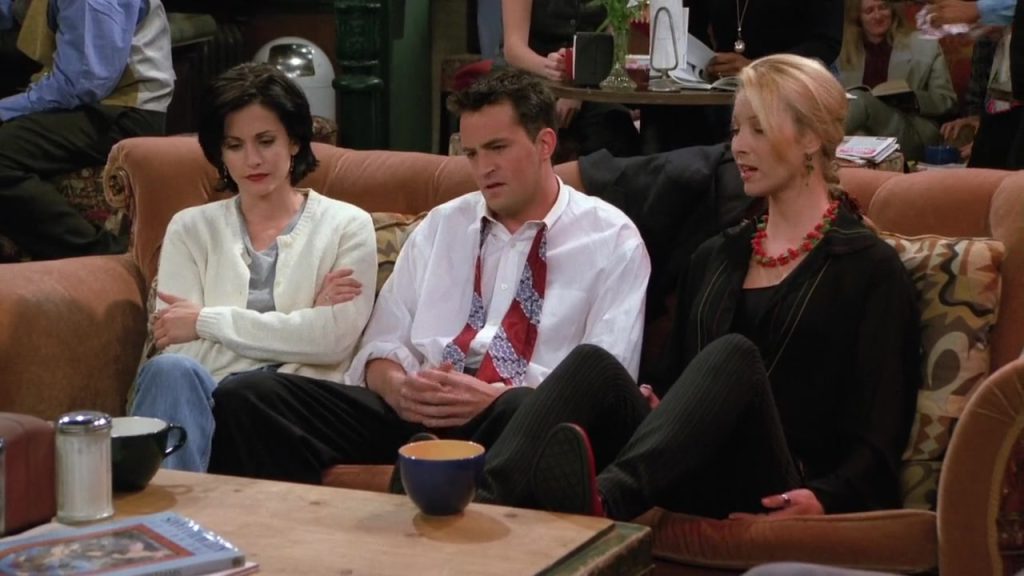
Security guard: “Yeah, and I have a time share in the Pocanos with Flipper.”
Scene Description and Emotional Tone: The security guard makes a sarcastic remark about owning a timeshare with Flipper the dolphin, adding humor to the interaction.
Word Breakdown
- Definition: A property with divided ownership or usage rights, typically used for vacation purposes.
- Part of Speech: Noun phrase
- Pronunciation: /taɪm ʃɛər/
- Etymology: Combination of “time,” referring to specific periods, and “share,” indicating partial ownership.
Examples:
- They decided to buy a time share in Hawaii for their annual vacations.
- Owning a time share allows you to enjoy a vacation spot regularly without full ownership.
Contextual Usage
- Example Sentences:
- “She sold her time share to fund her travels.”
- “Time shares are popular among families who vacation yearly.”
- Formal vs. Informal:
- Informal: “We have a time share at the beach house.”
- Formal: “The condominium operates on a time share model, allowing partial ownership.”
- Common Collocations:
- Buy a time share, sell a time share, own a time share
Learning Insights
- Pronunciation Tips: Clearly pronounce both words to avoid blending into “timeshare.”
- Common Mistakes: Confusing “time share” with “timeshare,” where both are correct but usually written as one word.
- Cultural Nuances: Often associated with vacation planning and investment; can carry a sales-heavy connotation.
- Memorization Tricks: Imagine sharing your vacation time with others to recall the concept of “time share.”
11. Mustache
Original Movie Context
Susie: “I can’t do Chris’s makeup. She refuses to acknowledge that she has a moustasche.”
Scene Description and Emotional Tone: Susie complains about doing makeup for someone with a mustache, adding a touch of frustration to the scene.
Word Breakdown
- Definition: A strip of hair grown on the upper lip.
- Part of Speech: Noun
- Pronunciation: /ˈmʌstæʃ/
- Etymology: From French “moustache,” which traces back to Italian “mostaccio.”
Examples:
- He decided to grow a mustache for the holiday party.
- Her mustache was neatly trimmed and well-groomed.
Contextual Usage
- Example Sentences:
- “She complimented his new mustache.”
- “Mustaches were popular in the 1920s.”
- Formal vs. Informal:
- Informal: “Check out his fancy mustache!”
- Formal: “He sports a distinguished mustache.”
- Common Collocations:
- Grow a mustache, trim a mustache, mustache style
Learning Insights
- Pronunciation Tips: Emphasize the second syllable: “mus-TASH.”
- Common Mistakes: Mispronouncing the “ch” as in “mustache.”
- Cultural Nuances: Often used to signify style or personality; can be a fashion statement.
- Memorization Tricks: Picture a famous figure with a notable mustache to remember the word.
12. Slapstick
Original Movie Context
While not directly present in the provided subtitles, the physical comedy scenes resemble slapstick humor.
Scene Description and Emotional Tone: Physical humor, such as Chandler wearing panties or Monica and Rachel wrestling, adds slapstick elements to the episode.
Word Breakdown
- Definition: A style of humor involving exaggerated physical activity which exceeds the boundaries of normal physical comedy.
- Part of Speech: Noun
- Pronunciation: /ˈslæpstɪk/
- Etymology: From “slap” and “stick,” referring to physical antics.
Examples:
- The movie was filled with slapstick comedy, making everyone laugh.
- Slapstick routines often involve pratfalls and exaggerated movements.
Contextual Usage
- Example Sentences:
- “His performance was pure slapstick, with constant falling and funny noises.”
- “Slapstick humor appeals to both children and adults.”
- Formal vs. Informal:
- Informal: “That show is all slapstick comedy.”
- Formal: “The play incorporated elements of slapstick humor to engage the audience.”
- Common Collocations:
- Slapstick comedy, slapstick humor, slapstick routines
Learning Insights
- Pronunciation Tips: Clear enunciation of both syllables: “SLAP-stick.”
- Common Mistakes: Mixing up “slapstick” with similar-sounding words like “slapdash.”
- Cultural Nuances: Often associated with silent films and classic comedy acts; here, used in a modern sitcom context.
- Memorization Tricks: Imagine Charlie Chaplin performing slapstick comedy to recall the term.
13. Giggle
Original Movie Context
Monica: “Oh my God, oh my God, oh my God.”
Scene Description and Emotional Tone: While not using “giggle,” Monica’s repeated exclamations convey a mix of excitement and amusement, akin to giggling.
Word Breakdown
- Definition: To laugh lightly in a silly or nervous way.
- Part of Speech: Verb
- Pronunciation: /ˈɡɪɡəl/
- Etymology: Originates from Middle English “giglen,” meaning to laugh lightly.
Examples:
- The children couldn’t stop giggling during the funny movie.
- She gave a quiet giggle at the joke.
Contextual Usage
- Example Sentences:
- “His funny antics made everyone giggle.”
- “She tried to hold back a giggle during the serious meeting.”
- Formal vs. Informal:
- Informal: “He let out a giggle when he saw the surprise.”
- Formal: “Her laughter was soft and contained, almost a giggle.”
- Common Collocations:
- Giggle uncontrollably, giggle nervously, giggle quietly
Learning Insights
- Pronunciation Tips: Short “i” sound in the first syllable, clear “g” sounds.
- Common Mistakes: Pronouncing “giggle” with a long “i” sound.
- Cultural Nuances: Represents light-heartedness and joy; often associated with children or humorous situations.
- Memorization Tricks: Imagine someone trying to suppress a giggle in a serious setting.
14. Reservation
Original Movie Context
Monica: “Oh, I’ll have an espresso. Oh actually, I’ll get it. If I ask you to, you’ll probably end up drinking it yourself.”
Scene Description and Emotional Tone: Monica mentions having a reservation at a restaurant, indicating planning and organization with a hint of humor.
Word Breakdown
- Definition: An arrangement to have something (like a seat, table, or room) held for one’s use at a later time.
- Part of Speech: Noun
- Pronunciation: /ˌrɛzərˈveɪʃən/
- Etymology: From Latin “reservare,” meaning to keep back or reserve.
Examples:
- We made a reservation for dinner at 7 PM.
- She confirmed her reservation before traveling.
Contextual Usage
- Example Sentences:
- “Don’t forget to call and cancel your reservation if you can’t make it.”
- “He booked a reservation at the new Italian restaurant downtown.”
- Formal vs. Informal:
- Formal: “I would like to make a reservation for two at your establishment.”
- Informal: “I’ve got a reservation for us tonight.”
- Common Collocations:
- Make a reservation, confirm a reservation, cancel a reservation
Learning Insights
- Pronunciation Tips: Stress the third syllable: “rez-er-VAY-shun.”
- Common Mistakes: Misplacing the stress or confusing “reservation” with “reservationist.”
- Cultural Nuances: Essential in dining and hospitality contexts; signifies planning and commitment.
- Memorization Tricks: Picture a table being reserved at your favorite restaurant to remember the term.
Fluency Gym: Your Path to Mastering a Language
At AppForLanguage.com, our innovative Fluency Gym feature is designed to elevate your reading, listening, and speaking skills from intermediate to advanced levels in a fun and engaging way. Whether you’re a solo practitioner or seeking dynamic content beyond traditional textbooks, Fluency Gym transforms passive vocabulary into active language skills by leveraging real-time movie dialogues. Imagine watching Friends S02E08 and actively participating in the language journey!
Three Dynamic Modes:
- Reading Mode (Word Builder):
- How It Works: View movie subtitles in your target language first, then reveal native language subtitles after a few seconds.
- Benefits: Encourages active engagement and allows you to save new words into a built-in flashcard system for later review.
- Listening Mode (Ear Training):
- How It Works: Listen to dialogues in the target language without subtitles, write down what you hear, then compare with the actual subtitles.
- Benefits: Enhances your ability to understand native speech patterns and reinforces learning through the flashcard system.
- Speaking Mode (Speech Challenger):
- How It Works: View native language subtitles first to guess the target language dialogue, then practice saying the sentences aloud and compare your pronunciation with the original.
- Benefits: Improves pronunciation, intonation, and speaking fluency by mimicking real-life conversations.
Experience active learning with Fluency Gym—you’re not just watching movies, you’re actively participating in your language journey!
Enhance Your Learning Experience with Our Features
Our Cinema Language Learning tool is packed with features to make your language learning seamless and enjoyable:
- Mouse Dictionary: Hover over words in the subtitle to see instant definitions, boosting your vocabulary in real-time during video playback.
- Display First Subtitle: See the main subtitle on screen, enhancing language learning with clarity.
- Save Words: Save new words you learn for future review and study.
- Download Saved Words: Export your saved vocabulary in different file formats for further study.
- Auto-Pause and Play with Button After Each Sentence: Control playback with ease, ensuring comprehension by pausing after every sentence.
- Sidebar Display: Access a sidebar during video playback to see all subtitles, settings, and saved words, enhancing your control over the learning environment.
These features work together to create an immersive and effective Cinema Language Learning experience, allowing you to learn effortlessly while enjoying your favorite movies and shows.
Related Articles to Continue Your Learning Journey
Dive deeper into Cinema Language Learning with our previous articles:
- Language Learning with Netflix: Master Vocabulary from Friends S01E08
- Mastering English Through Friends S01E16: Top Vocabulary Words to Boost Your Language Skills
- Boost Your English Through Cinema: 15 Essential Vocabulary Words from Friends S01E20
- Mastering Vocabulary with Friends S02E02: Unlock Movie-Based Language Learning
Each article is crafted to enhance your language skills through engaging and contextualized vocabulary from beloved movies and shows.
Why Technology Can Transform Language Learning
In today’s digital age, leveraging technology for language learning offers unparalleled flexibility and efficiency. Cinema Language Learning tools like our language learning extension allow you to immerse yourself in authentic dialogues, understand cultural nuances, and expand your vocabulary—all while enjoying entertainment. Say goodbye to rote memorization and embrace an interactive and enjoyable learning journey.
Join the Fluency Gym Today!
Ready to take your language skills to the next level? Visit AppForLanguage.com and explore our Fluency Gym feature. Start mastering English through your favorite movies and enjoy an engaging, effective, and fun language learning experience.
Unlock the power of Cinema Language Learning and make every movie night a step toward fluency!
By integrating engaging storytelling with practical vocabulary lessons, this article not only helps you learn new words but also connects you emotionally with the learning process. Embrace the adventure of language learning with Cinema Language Learning and our cutting-edge tools designed to make your journey enjoyable and effective.